

"This is not a privilege, but a legal right": from September 1, relatives of seriously ill patients can stay in the hospital for free.
Who can stay in the hospital for free
Legal representatives or companions of patients with first-group disabilities have the right to stay in the hospital for free around the clock.
The list of relatives entitled to this right has been legally expanded. It includes:
spouses;
parents (including adoptive parents);
children (including adopted children);
grandparents;
grandchildren;
full and half-brothers and sisters.
An important clarification: the decisive argument for admission is not formal kinship, but the patient's objective need for constant care and assistance due to the severity of their condition.
Food and sleeping space — covered by compulsory health insurance
One of the most significant aspects of the reform has been the removal of the financial burden from families. Previously, in many institutions, companions had to pay for a bed and three meals a day themselves.
Now, hospitals are prohibited from charging for these services. All expenses are reimbursed by the state through the compulsory health insurance (CHI) system. Free beds and meals are provided on a gratuitous basis.
The initiative comes from the attending physician, but final consent must be obtained from the patient themselves, which emphasizes respect for their will.
Special rules for parents of young patients
For families with children, a separate, more lenient regulation is provided:
Unconditional right — parents of children under four years old, as well as parents of disabled children of any age, have the right to stay together in the hospital for free without additional permissions.
For medical reasons — for parents of children over four years old who do not have disabilities, the right to free stay is retained only if there are medical indications confirming the need for continuous care.
Without medical indications — the issue is decided at the discretion of the doctor, but in this case, the state no longer guarantees the provision of food and sleeping space.
Companions also have responsibilities
Gaining the right to enter the hospital imposes certain obligations on visitors:
the presence of changeable hygiene footwear and clothing;
strict adherence to sanitary and epidemiological regulations;
undergoing mandatory medical examination (fluorography, vaccination status) during prolonged stays.
The clinic's management reserves the right to revoke access if the relative's behavior interferes with the staff's work or violates the established treatment order.
Simplified access to medical documents
The innovations also concern information openness. If the patient has previously opened access to their electronic medical record through the government services portal, their relatives will be able to quickly receive extracts and test results in electronic format.
It is no longer necessary to collect paper powers of attorney and notarize them. A digital request significantly speeds up the process and saves time that can be devoted to caring for the patient.
What this means for residents of Kirov
The new rules apply throughout Russia, including the Kirov region. Now, residents of the region whose loved ones are in serious condition in hospitals can stay with them around the clock and for free — without collecting certificates, without paying for a bed and meals.
The main thing to remember is that the right to stay must be documented (certificate of first-group disability, medical indications). And during prolonged stays in the hospital — to undergo mandatory medical examinations and comply with the internal regulations of the medical institution.
Другие Новости Кирова (НЗК)
 The used car market has turned upside down: the Chinese are pushing everyone out, and dealers are losing market share.
The Russian secondary car market is experiencing tectonic shifts. The share of dealers in used car sales today is only 20% — whereas in developed markets this figure reaches 60%.
The used car market has turned upside down: the Chinese are pushing everyone out, and dealers are losing market share.
The Russian secondary car market is experiencing tectonic shifts. The share of dealers in used car sales today is only 20% — whereas in developed markets this figure reaches 60%.
 In Kirov, on average, 6% of passengers do not pay for transportation.
Controllers check about 30 buses and trolleybuses with a conductor-free payment system every day. The transport company reported on the results of inspections since the beginning of 2026.
In Kirov, on average, 6% of passengers do not pay for transportation.
Controllers check about 30 buses and trolleybuses with a conductor-free payment system every day. The transport company reported on the results of inspections since the beginning of 2026.
 In Kirov, the timelines for the return of hot water to homes have been announced.
Most networks have already passed the tests; however, some pipelines need to be rechecked.
In Kirov, the timelines for the return of hot water to homes have been announced.
Most networks have already passed the tests; however, some pipelines need to be rechecked.
 In Russia, the growth of lending has accelerated.
The speech concerns both mortgage and consumer lending to citizens.
In Russia, the growth of lending has accelerated.
The speech concerns both mortgage and consumer lending to citizens.
 Kirov residents were told whether neighbors can rent out apartments daily without their consent.
The apartment owner does not need to obtain permission from other residents of the building, but tenants must not disturb the neighbors.
Kirov residents were told whether neighbors can rent out apartments daily without their consent.
The apartment owner does not need to obtain permission from other residents of the building, but tenants must not disturb the neighbors.
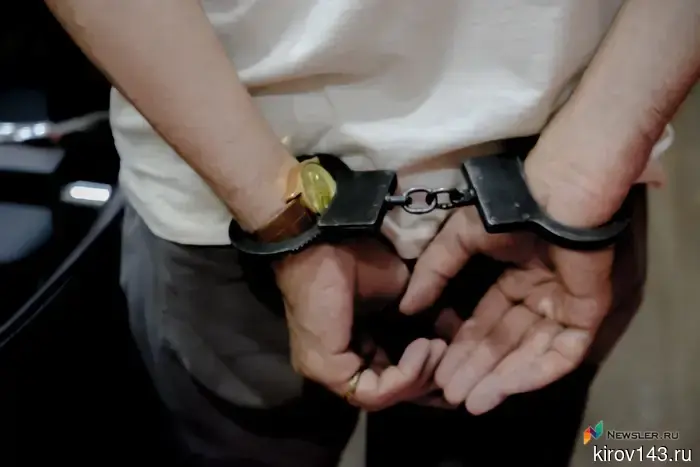 In Kirov, a man was sentenced to compulsory labor for failure to pay alimony.
A 48-year-old resident of Kirov owes more than 170,000 rubles for the maintenance of his underage son. He has previously been held accountable for failing to pay alimony.
In Kirov, a man was sentenced to compulsory labor for failure to pay alimony.
A 48-year-old resident of Kirov owes more than 170,000 rubles for the maintenance of his underage son. He has previously been held accountable for failing to pay alimony.
"This is not a privilege, but a legal right": from September 1, relatives of seriously ill patients can stay in the hospital for free.
Starting from September 1, 2026, new rules came into effect in Russia that radically change the procedure for relatives to be near seriously ill patients in hospitals. Being present at the bedside of a patient is no longer a privilege or a personal decision of the head of the department — it is now a legally enshrined right.