
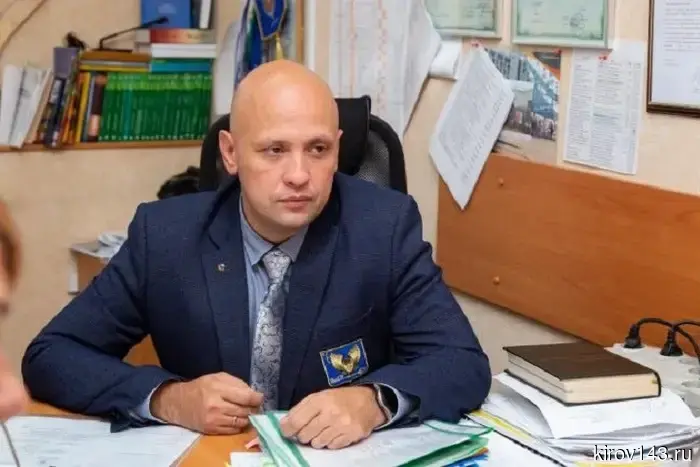
"SPo - a conscious educational track": an expert's perspective from VyatSU
- Statistics from the Ministry of Education show that the share of ninth-graders remaining in school has decreased to less than 50% and continues to decline. How do you explain this from an expert's perspective?
- This is a diversification of educational trajectories. There are several key factors. First, the correction of the higher education system after the boom of the 2000s: the closure of low-quality programs has raised the overall standard but simultaneously increased competition and risks for applicants. Second, the high uncertainty of the Unified State Exam (USE) results with significant investments in preparation. Third, the economic feasibility of secondary vocational education (SVE): early entry into the labor market, guaranteed demand for personnel in the real sector.
At VyatSU, we see a steady increase in interest in SVE: over 10 years, the number of students has grown from 70 to 1500. This reflects the demand for practice-oriented training.
- What role do the government and business play in the development of SVE?
- The government systematically invests in infrastructure and synchronization of programs with the labor market. A flagship example is the federal project "Professionalitet." VyatSU acts as the center of the electrical engineering cluster in the Kirov region: 7 educational organizations, together with enterprises, develop synchronized programs for specific job positions.
Business has rethought its approach: instead of passive recruitment, companies participate in equipping colleges, mentoring, and targeted training. We particularly actively interact with the IT sector and industrial enterprises: they review programs, provide equipment, and pay for internships.
- Dispel the stereotype that SVE is chosen by supposedly "weaker" students.
- Data refutes this myth. In IT programs at VyatSU, the passing score for budget places consistently holds at 4.5. Among the applicants, there are many motivated students who consciously choose professionalization instead of two years of preparation for the USE. And this desire is confirmed in practice - 80% of our SVE graduates are employed by the time they graduate.
- How is the continuity between SVE and higher education organized?
- The trajectories complement each other. SVE graduates can enroll in universities in specialized fields through internal entrance exams without the USE. When changing specialties, they can do so on general grounds through the USE. Additionally, enterprises often finance further education for promising employees, building a career ladder "college - university - production."
- Which SVE fields are the most promising?
- There is a stable demand for pedagogical and engineering specialties: mechatronics, electrical engineering, mechanical engineering. In 2027, we will launch programs in additive technologies and quality management. I would like to note that in the educational programs of SVE implemented within the framework of the Professionalitet project, regardless of the field, modules on artificial intelligence will be introduced starting in 2026. Overall, regarding the demand for fields, we observe a lag of 3-4 years between salary growth in the industry and the influx of applicants - this is an indicator of labor market maturity.
- What do you advise families facing this choice?
- Focus on the needs of the regional economy and long-term trends. Study targeted training programs: they provide financial support and guaranteed employment. Remember: SVE is not a dead end, but a flexible start. If necessary, the trajectory can always be adjusted by continuing education at a university.
Другие Новости Кирова (НЗК)
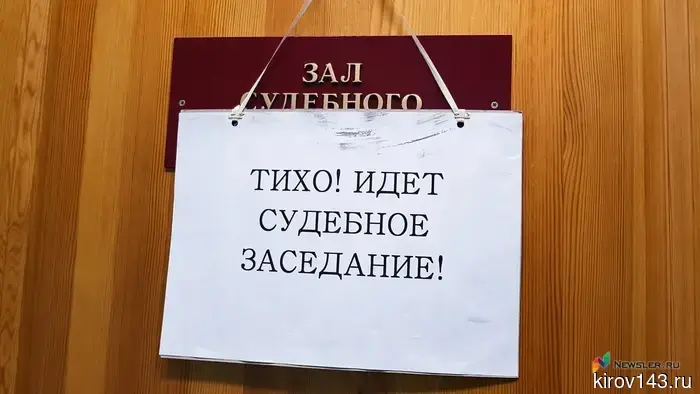 The building of the May Day Court is set to undergo major renovations.
Applications are accepted until June 4th.
The building of the May Day Court is set to undergo major renovations.
Applications are accepted until June 4th.
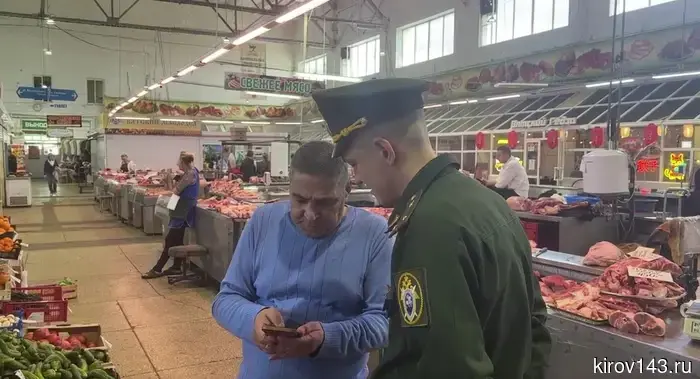 In Kirov, former migrants were checked at the "EcoFair".
In Kirov, employees of the military investigative department of the Investigative Committee of Russia for the Kirov garrison conducted another raid to ensure compliance with migration legislation.
In Kirov, former migrants were checked at the "EcoFair".
In Kirov, employees of the military investigative department of the Investigative Committee of Russia for the Kirov garrison conducted another raid to ensure compliance with migration legislation.
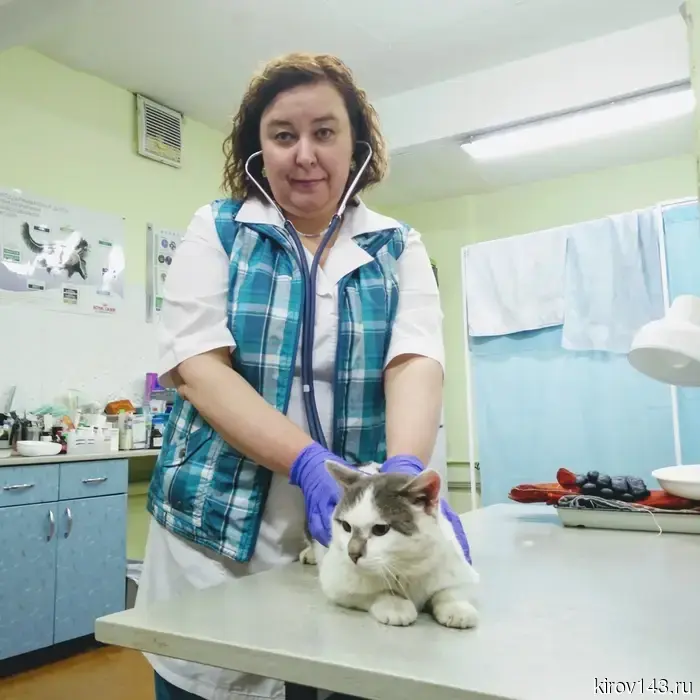 In Kirov, the head of the veterinary clinic, Natalia Delimarskaya, has passed away.
On June 1, the death of Natalia Valentinovna Delimarskaya, the head of the veterinary clinic "DoctorVet," became known. Her death was reported by representatives of the animal welfare community "Dari Dobro."
In Kirov, the head of the veterinary clinic, Natalia Delimarskaya, has passed away.
On June 1, the death of Natalia Valentinovna Delimarskaya, the head of the veterinary clinic "DoctorVet," became known. Her death was reported by representatives of the animal welfare community "Dari Dobro."
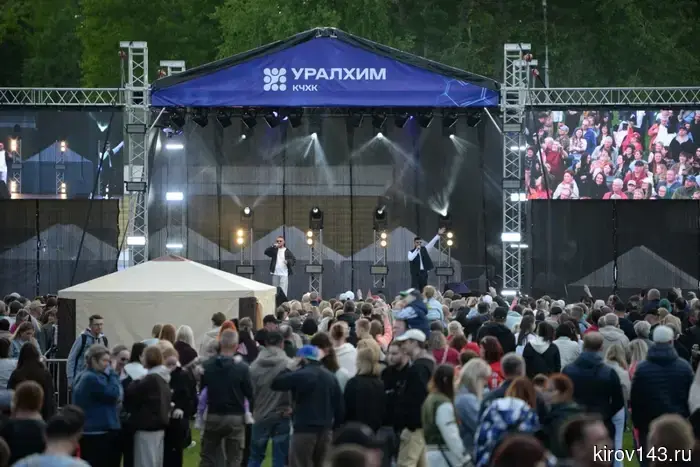 "Uralchem" celebrated Chemist's Day in Kirovo-Chepetsk
Festive events dedicated to Chemist's Day took place in Kirovo-Chepetsk for the employees of the branch "KCHHK" of JSC "OHC "Uralchem".
"Uralchem" celebrated Chemist's Day in Kirovo-Chepetsk
Festive events dedicated to Chemist's Day took place in Kirovo-Chepetsk for the employees of the branch "KCHHK" of JSC "OHC "Uralchem".
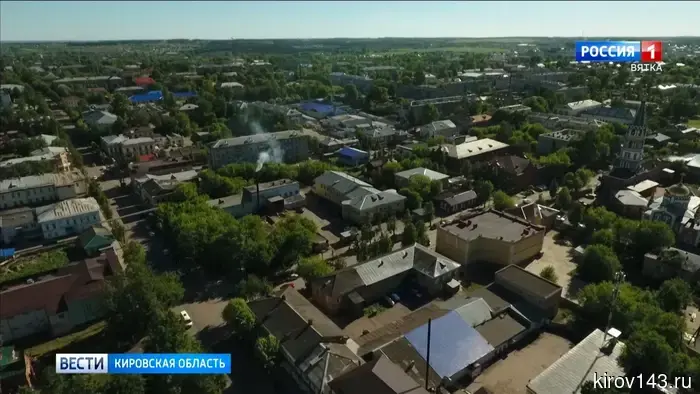 Предприятия Кировской области обустраивают рабочие места для сотрудников с ограниченными возможностями здоровья.
В Кировской области компании получают финансирование на обустройство рабочих мест для людей с ограниченными возможностями здоровья, сообщили в правительстве региона. Для работодателей, принимающих на работу определенные категории граждан, нацпроект «Кадры» содействует в получении государственной финансовой поддержки.
Предприятия Кировской области обустраивают рабочие места для сотрудников с ограниченными возможностями здоровья.
В Кировской области компании получают финансирование на обустройство рабочих мест для людей с ограниченными возможностями здоровья, сообщили в правительстве региона. Для работодателей, принимающих на работу определенные категории граждан, нацпроект «Кадры» содействует в получении государственной финансовой поддержки.
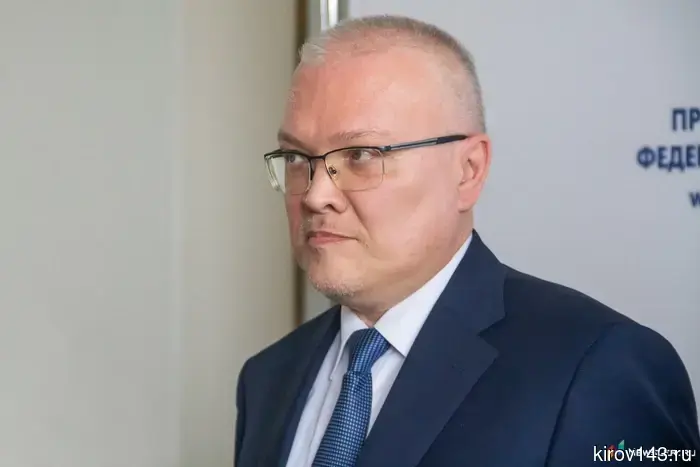 Ghost figures: how the tourist flow of Sokolov transforms with the mood
From the very beginning of Alexander Sokolov's governorship, the indicators of tourist flow in the Kirov region strangely appeared, disappeared, and transformed. Newsler.ru decided to investigate: how many people actually visited the region and whether there is indeed the growth that is often mentioned.
Ghost figures: how the tourist flow of Sokolov transforms with the mood
From the very beginning of Alexander Sokolov's governorship, the indicators of tourist flow in the Kirov region strangely appeared, disappeared, and transformed. Newsler.ru decided to investigate: how many people actually visited the region and whether there is indeed the growth that is often mentioned.
"SPo - a conscious educational track": an expert's perspective from VyatSU
In Russia, the proportion of students choosing secondary vocational education after the 9th grade is increasing. Sergey Nikulin, the Vice-Rector for Education at Vyatka State University, will explain why this is a natural trend and what its advantages are.