
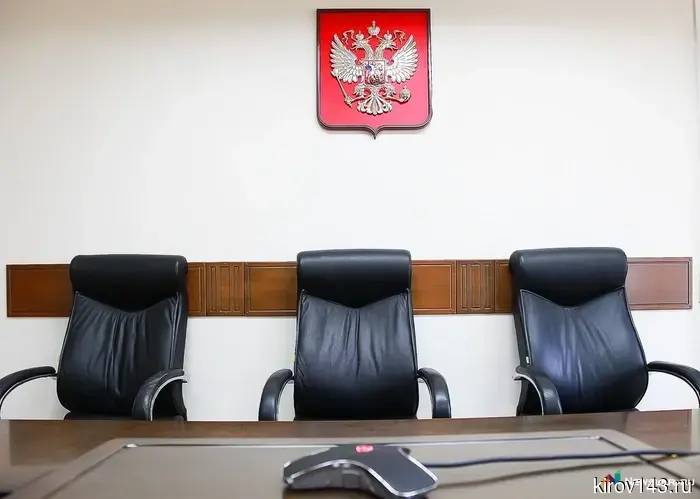
The contractor who inspected the Kirov bridges lost the lawsuit against the Federal Antimonopoly Service for the third time.
We wrote earlier about the story with the bridges. Let us remind you that at the end of 2021, the first deformation of the bridge over the Moloma River occurred in the Kirov region. In August 2022, the "Road Committee" signed two contracts with the company "Tech-Terra" (Yekaterinburg) for the inspection of bridges located on the roads that could bypass this section. The price of each was 599 thousand rubles, with a total amount of 1.19 million rubles.
Subsequently, the prosecutor's office conducted an inspection and identified a violation of the Federal Law "On Protection of Competition," which manifested itself in the unjustified fragmentation of the procurement into two contracts with the same parties and conditions. The regional FAS office initiated a case.
The contracts were declared invalid due to their conclusion with a single contractor without conducting competitions, and "Tech-Terra" was ordered to return all the money it received for its work to the federal budget. Disagreeing with this, the company appealed to the Arbitration Court of the Kirov region, demanding the annulment of the decision.
The court of first instance denied the claim. The second arbitration appellate court did not change the decision.
Recently, it became known that the parties met in the Arbitration Court of the Volga-Vyatka District. The contractor again tried to prove its case. In its opinion, the antimonopoly authorities did not provide sufficient evidence of a violation; moreover, the company, when signing the contract, had no idea that the customer had violated anything. Nevertheless, the court of the third instance ruled to leave the decision unchanged. If "Tech-Terra" does not appeal to the Supreme Court of Russia, it will have to return 1.19 million rubles.
Другие Новости Кирова (НЗК)
 The contractor who inspected the Kirov bridges lost the lawsuit against the Federal Antimonopoly Service for the third time.
If the company does not appeal to the Supreme Court, it will have to return the money received.
The contractor who inspected the Kirov bridges lost the lawsuit against the Federal Antimonopoly Service for the third time.
If the company does not appeal to the Supreme Court, it will have to return the money received.
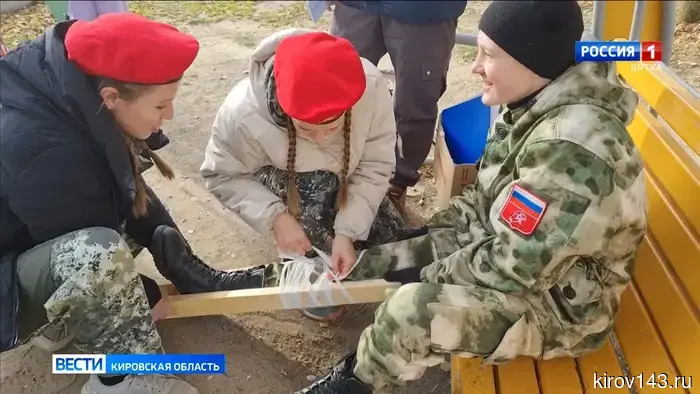 Кировчане будут представлять свой регион на окружном этапе Всероссийских соревнований школьных спасательных команд.
Две команды из Кировской области участвовали в отборочном этапе Всероссийских соревнований для школьных спасательных отрядов. В числе участников были команда «Преображенцы» из средней школы поселка городского типа Кикнур и команда «КленоСпас» из Лицея естественных наук, сообщили в министерстве.
Кировчане будут представлять свой регион на окружном этапе Всероссийских соревнований школьных спасательных команд.
Две команды из Кировской области участвовали в отборочном этапе Всероссийских соревнований для школьных спасательных отрядов. В числе участников были команда «Преображенцы» из средней школы поселка городского типа Кикнур и команда «КленоСпас» из Лицея естественных наук, сообщили в министерстве.
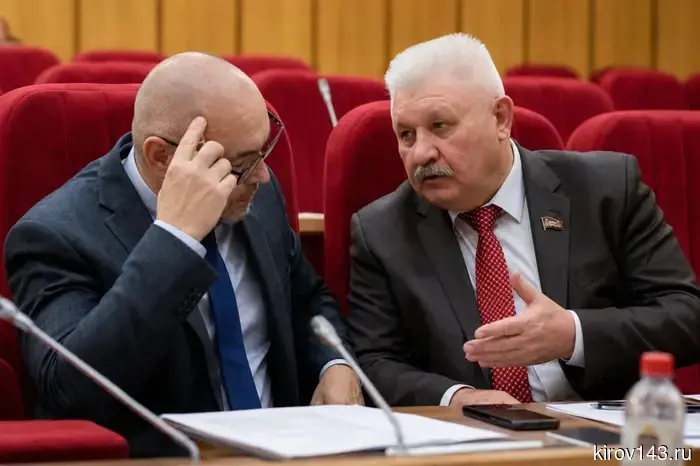 "We do not work for the enemy": Deputies Mamaev and Bikaluk were angered by the "accusation of treason against the Motherland."
The deputies simultaneously filed complaints with the prosecutor's office, the Ministry of Internal Affairs, and the FSB demanding a legal assessment of the public statement made by the head of the Legislative Assembly, Roman Beresnev, that the regional leader of the Communist Party of the Russian Federation and the elected representative for the 26th district "are working for the enemy."
"We do not work for the enemy": Deputies Mamaev and Bikaluk were angered by the "accusation of treason against the Motherland."
The deputies simultaneously filed complaints with the prosecutor's office, the Ministry of Internal Affairs, and the FSB demanding a legal assessment of the public statement made by the head of the Legislative Assembly, Roman Beresnev, that the regional leader of the Communist Party of the Russian Federation and the elected representative for the 26th district "are working for the enemy."
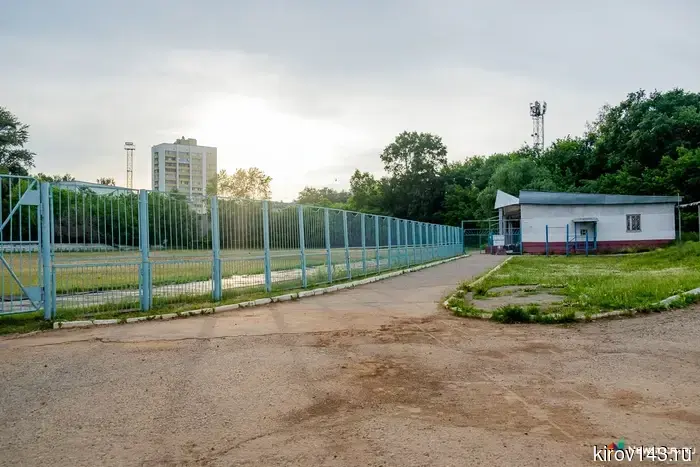 In Kirov, they want to renovate the Lokomotiv stadium and install a monument to Viktor Tsoi.
The Governor of the Kirov Region, Alexander Sokolov, spoke about plans for the reconstruction of the Lokomotiv Stadium.
In Kirov, they want to renovate the Lokomotiv stadium and install a monument to Viktor Tsoi.
The Governor of the Kirov Region, Alexander Sokolov, spoke about plans for the reconstruction of the Lokomotiv Stadium.
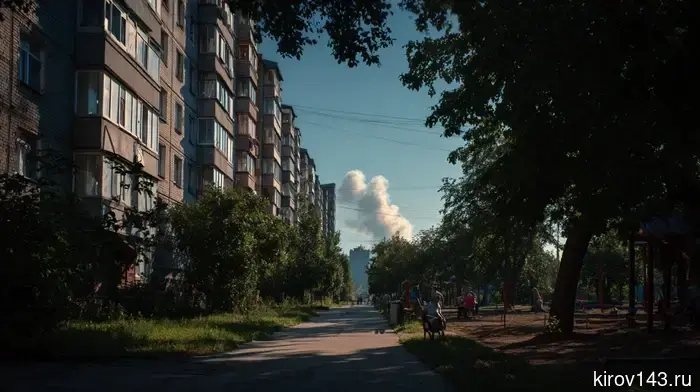 A week later: how Kirov has changed after the missile attack
Last Friday, July 24, several districts of Kirov were shaken by the terrible sound of a rocket explosion, launched by the Kyiv regime at one of the city's enterprises.
A week later: how Kirov has changed after the missile attack
Last Friday, July 24, several districts of Kirov were shaken by the terrible sound of a rocket explosion, launched by the Kyiv regime at one of the city's enterprises.
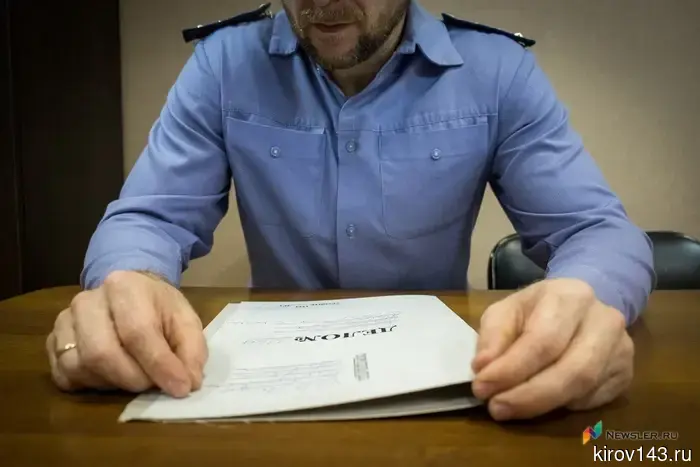 Grandmother with "incontinence from fear" was punished for intentional damage to property.
On July 20, the Lenin District Court of Kirov placed a profound ellipsis in the administrative case regarding the "intentional damage to an office chair" by pensioner Irina Karacheva. A fine of 400 rubles was imposed on the 64-year-old woman "for property damage."
Grandmother with "incontinence from fear" was punished for intentional damage to property.
On July 20, the Lenin District Court of Kirov placed a profound ellipsis in the administrative case regarding the "intentional damage to an office chair" by pensioner Irina Karacheva. A fine of 400 rubles was imposed on the 64-year-old woman "for property damage."
The contractor who inspected the Kirov bridges lost the lawsuit against the Federal Antimonopoly Service for the third time.
If the company does not appeal to the Supreme Court, it will have to return the money received.