
Scientists have named four signs of heart aging.
Cardiovascular diseases remain one of the leading causes of mortality worldwide. Scientists from Sechenov University studied how the myocardium—the heart muscle responsible for pumping blood—changes with age and identified four main signs of its aging. To do this, specialists examined heart tissue samples from patients with chronic myocarditis. Participants were divided into groups based on age and the presence of a past coronavirus infection.
The first sign of heart aging identified by scientists was the accumulation of lipofuscin in cells—so-called "aging pigment." This is a type of cellular waste composed of oxidized fats and proteins. They gradually accumulate inside cardiomyocytes and can interfere with the normal contraction of the heart muscle. Older patients had about three times more of this "cellular waste" than younger individuals.
The second sign was aging cells that stop dividing but do not die. They begin to release substances that hinder the recovery of neighboring young cells. In older individuals, scientists found higher activity of the p16 protein, which is associated with this process. This indicator was particularly pronounced in patients who had contracted COVID-19.
The third sign is a decrease in the number of capillaries. These tiny vessels supply the heart cells with oxygen and nutrients. With age, their numbers decrease, which can impair the heart muscle's ability to recover.
Finally, scientists discovered age-related changes in the immune system's functioning. In young patients with myocarditis, there were more T-lymphocytes in the heart tissue, actively participating in the fight against inflammation. In older individuals, the immune response was weaker; however, inflammation did not disappear and transitioned into a chronic, sluggish form. According to researchers, this process gradually hinders the heart's recovery.
Separately, specialists studied the consequences of COVID-19. In patients who had contracted the coronavirus infection, there was a more frequent occurrence of increased heart cell death and inflammation of small vessels. Scientists believe that the infection may accelerate the processes of heart tissue damage.
Researchers hope that the data obtained will help doctors more accurately tailor treatments for patients of different ages. In particular, in the future, specialists will be able to consider not only the presence of inflammation but also the degree of cellular aging, the condition of capillaries, and the rate of cell death.
Scientists are also exploring ways to directly influence the mechanisms of aging. Among the promising directions are drugs capable of selectively destroying aging cells, as well as methods that can partially "reprogram" cells and stimulate their recovery.
At the same time, specialists note that the biological age of the heart does not always coincide with a person's age. Factors such as obesity, diabetes, and past infections can influence the accelerated aging of the organ. Researchers plan to continue their work and investigate whether the knowledge gained can be used to slow down aging not only of the heart but also of other organs.
Другие Новости Кирова (НЗК)
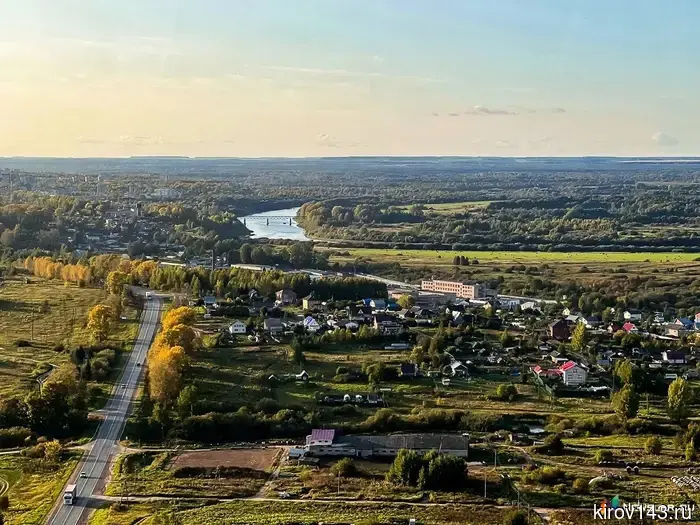 Amateur meteorologists warn of tornadoes and extreme heat.
Large hail is also possible in the Kirov region.
Amateur meteorologists warn of tornadoes and extreme heat.
Large hail is also possible in the Kirov region.
 Sokolov announced a three-day mourning period and compensation for the families of the deceased.
Funds will also be allocated for the repair of damaged houses.
The "Istobensky Cucumber" and other holidays have been canceled due to the attack on the Kirov enterprise.
The 30th interregional festival "Istoben cucumber," scheduled for July 25, will not take place.
Sokolov announced a three-day mourning period and compensation for the families of the deceased.
Funds will also be allocated for the repair of damaged houses.
The "Istobensky Cucumber" and other holidays have been canceled due to the attack on the Kirov enterprise.
The 30th interregional festival "Istoben cucumber," scheduled for July 25, will not take place.
 Fuel crisis in the Kirov region: from the first restrictions to a state of increased readiness
Since the end of May 2026, Russia has been engulfed in a fuel crisis. In the Kirov region, it began with local restrictions at several gas stations, and just a month later led to the introduction of a state of heightened readiness, multi-kilometer queues, mass closures of gas stations, and an unprecedented rise in prices.
Fuel crisis in the Kirov region: from the first restrictions to a state of increased readiness
Since the end of May 2026, Russia has been engulfed in a fuel crisis. In the Kirov region, it began with local restrictions at several gas stations, and just a month later led to the introduction of a state of heightened readiness, multi-kilometer queues, mass closures of gas stations, and an unprecedented rise in prices.
 "Go!": Kirov residents saw a rocket from the bus
Residents of Kirov, who were traveling by bus in the morning near the enterprise that was hit by a missile strike from the Kyiv regime, saw a flying missile from the window.
"Go!": Kirov residents saw a rocket from the bus
Residents of Kirov, who were traveling by bus in the morning near the enterprise that was hit by a missile strike from the Kyiv regime, saw a flying missile from the window.
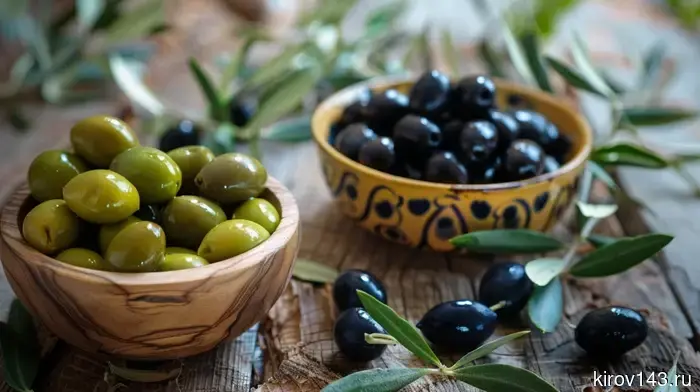 Olives and olive fruits are neither twins nor enemies: nutritionists on the main differences and health benefits.
We are figuring out why the green and black fruits from the same tree taste so different, which one is healthier, and who should be cautious with salty snacks.
Olives and olive fruits are neither twins nor enemies: nutritionists on the main differences and health benefits.
We are figuring out why the green and black fruits from the same tree taste so different, which one is healthier, and who should be cautious with salty snacks.
Scientists have named four signs of heart aging.
Researchers from Sechenov University studied changes in the heart muscle and found out how its biological aging manifests. New data may help doctors tailor treatment based on the specific condition of the patient in the future.