
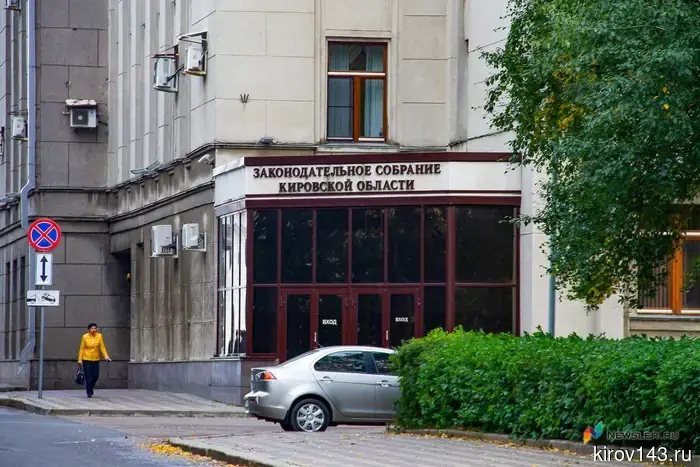
Fuel crisis in the Kirov region: from the first restrictions to a state of increased readiness
How it all began: the first regions and scaling
At the end of May - beginning of June 2026, the first signs of a fuel crisis appeared in Crimea. The peninsula introduced restrictions on gasoline sales: a limit of no more than 20 liters per car was set for AI-92, refueling in canisters was prohibited, and AI-95 began to be sold by coupons.
On June 3, restrictions appeared in Moscow and St. Petersburg. Car owners faced "one-hand" limits at certain gas stations. As explained by the head of a large oil depot near St. Petersburg, the shortage was not widespread, but independent gas stations received fuel on a residual basis and at a higher price, forcing them to raise prices and impose limits.
By June 6, gasoline shortages affected at least 15 regions: Moscow and the region, St. Petersburg and the Leningrad region, Kursk, Belgorod, Pskov, Tyumen, Sverdlovsk, Irkutsk, Chelyabinsk, Novosibirsk, Ryazan, Tomsk, Novgorod, Murmansk, Voronezh regions, as well as Krasnoyarsk, Crimea, and Luhansk region. In Kirov at that time, according to media reports, there was "currently order" with gasoline.
The crisis arrives in Kirov
On June 16, restrictions were introduced in Kirov region for the first time - the "Dvizhenie" gas station network set temporary limits: no more than 30 liters of gasoline per buyer per day and up to 100 liters of diesel. The reason was problems with fuel procurement at the St. Petersburg exchange, which many regions were already feeling by that time.
By June 24, the number of subjects with restrictions grew to 16. Crimea effectively halted the free sale of fuel to individuals. The reasons for the shortage across the country included drone attacks on oil refineries, a reduction in supply on the exchange, and a panic demand that only fueled the situation.
On June 25, more than 20 regions imposed restrictions. In Crimea and Sevastopol, the free sale of fuel was effectively halted, in Kursk and Bryansk regions, the sale of gasoline in canisters was prohibited, and in Voronezh and Saratov regions - no more than 30 liters per refueling.
End of June - peak tension
On June 26, more than 30 regions imposed restrictions on fuel sales. In Dagestan, a limit of 20 liters of gasoline per person was established, in Kaliningrad region - 30. In Kirov, "Lukoil" gas stations imposed a limit of 30 liters per car, and one of the gas stations in the network closed.
The authorities of Kirov region then stated that fuel reserves in oil storage facilities were sufficient, and supplies were uninterrupted. However, the load on "Lukoil" gas stations increased threefold due to panic demand. At the same time, "Lukoil" increased supplies, and "Dvizhenie" expected the arrival of 13,000 tons of fuel.
On June 27, interruptions persisted in Kirov: at "Lukoil" near the "Vesna" shopping center, the gas station temporarily closed, a long queue formed on Moskovskaya due to a shortage of AI-92, and a limit of 25 liters was introduced at "Irbis." On June 28, a meeting took place in the Kremlin. President Vladimir Putin linked the problems to strikes on oil refineries but emphasized that they were not of a critical nature. Gasoline reserves amounted to 1.7 million tons. A temporary ban on the export of gasoline and aviation kerosene was already in effect.
On June 30, the fuel crisis reached passenger transportation - taxi drivers in the regions were ending their shifts due to shortages. The Kremlin announced a possible import of fuel. By the end of the month, it became clear: the problem was not local and not short-term.
July: the crisis in Kirov gains momentum
On July 2, State Duma deputy Nina Ostanina stated that due to the fuel crisis, the country could be left without bread: about 30% of oil refinery capacities were out of operation. In Kirov, against the backdrop of the gasoline situation, demand for the installation of gas cylinder equipment increased - in auto services, the queue reached two months.
By July 6, the situation in Kirov sharply worsened. Almost all "Lukoil" gas stations closed with signs saying "Gas station closed for technical reasons." The only operating gas station in the network on Pотребкооперации street had queues of 40 minutes. Governor Alexander Sokolov created an operational headquarters to monitor the situation.
On July 8, Sokolov held the first meeting of the operational headquarters. He stated that "Lukoil" had enough fuel reserves for two weeks (4,500 tons), however, the population's demand due to panic had risen to 800 tons per day. The governor also proposed to ban wholesale fuel sales to companies without gas stations at the federal level to exclude intermediaries from the chain. On the same day, it became known that Russia would start importing fuel from July.
New measures and the first "even-odd" days
On July 9, gas stations in Kirov began selling places in queues - the price reached 1,500-2,000 rubles. According to readers, at some gas stations, gasoline was absent for several consecutive days, which only intensified panic among drivers.
On July 10, Sokolov introduced a new order for gasoline sales: starting July 11, fuel would be sold according to even and odd car numbers, with traffic police, private security, and Rosgvardiya officers on duty at gas stations. Supplies from "Lukoil-Uralnefteproduct" were increased from 300 to 400 tons per day. Deputy Prime Minister Alexander Novak explained the gasoline shortage by strikes on oil refineries. A state of heightened readiness was introduced in Kirov region.
Reality and statements
On July 11, despite the authorities' statements, most gas stations in Kirov were empty: according to the "GdeBENZ" website, it was almost impossible to find gasoline in the city in the evening. Rosstat recorded a 6.88% increase in gasoline prices in June.
On July 12, drivers reported multi-kilometer queues at the only working gas stations, where people stood for 5-8 hours. At the "Lukoil" gas station, up to 400 cars accumulated at the pump. Authorities reported a 20-25% reduction in queues, but data from services indicated a likely reason for this reduction: fuel simply ran out at most gas stations.
On July 13, Sokolov announced the resumption of oil refinery operations and an increase in supplies starting July 14. At the same time, he called information about the absence of gasoline "fake" and "deliberate sabotage." Residents of Kotel'nich, Slobodskoy, and Belaya Kholunitsa reported a lack of gasoline. In Kirov, queues at gas stations partially blocked roads, and buses had to drop off passengers right on the roadway.
On July 14, the Kirov OFAS issued warnings to three operators of the "Dvizhenie" network, seeing signs of violations of the law in their pricing policy. In an interview with Newsler.ru, Sergey Kiselev, president of LLC "Dvizhenie-Nefteprodukt," stated that independent operators had been unable to obtain fuel since May-June and were forced to buy through traders and pay several times more.
Novak assured that there would be enough diesel fuel for the harvesting campaign. The government discussed increasing supplies to the regions.
On July 16, the head of Mari El, Yuri Zaitsev, stated that strict restrictions would not be introduced in the republic, unlike the neighboring Kirov region. On July 17, Sokolov reported on gasoline reserves in the region - almost 3,300 tons. In Russia, gas stations began to be sold - over 150 offers appeared in a month, including from "Gazprom" and "Lukoil."
The crisis does not recede
On July 19, districts of Kirov region were left without gasoline. According to "GdeBENZ," fuel was absent in more than 20 settlements: Kotel'nich, Orlov, Svecha, Kiknur, Urzhum, Kumeny, Zuevka, Omutninsk, Kilmiz, and others. Drivers, according to local residents, spent the night at gas stations hoping to refuel in the morning.
On July 20, the Duma discussed the transport collapse in Kirov. Carriers complained that bus drivers were forced to wait in queues at gas stations for two hours, causing evening flights to be canceled, and people were working "on edge."
The fuel crisis in Kirov region has lasted for more than a month. It has affected everyone: from ordinary motorists to carriers and agrarians. The authorities are introducing new measures, opening operational headquarters, promising an increase in supplies - but gas stations in the districts are still empty, and queues in the regional center reach hundreds of cars.
As of July 21, 2026, queues are also observed at some "Lukoil" gas stations. However, they are no longer multi-kilometer. Gas stations of another network - "Irbis," as drivers report, do not have queues. But, most likely, this is due to the price of fuel: AI
Другие Новости Кирова (НЗК)
 "Go!": Kirov residents saw a rocket from the bus
Residents of Kirov, who were traveling by bus in the morning near the enterprise that was hit by a missile strike from the Kyiv regime, saw a flying missile from the window.
How can tap water cause blindness?
Assistant of the Department of Ophthalmology at Pirogov University, Angelina Kazantseva, on the parasite that lives in the water supply, "eats" the cornea, and why washing lenses with water is deadly dangerous.
In Kotel'nich, three streets remain without water: the water supply project is still not ready.
The government commented on the situation.
How can tap water cause blindness?
Assistant of the Department of Ophthalmology at Pirogov University, Angelina Kazantseva, on the parasite that lives in the water supply, "eats" the cornea, and why washing lenses with water is deadly dangerous.
In Monastyrskoye, they will bid farewell to a fallen comrade from the special military operation.
In the village of Monastyrskoye, a farewell will be held for the participant of the special military operation, Andrey Korepanov.
"Go!": Kirov residents saw a rocket from the bus
Residents of Kirov, who were traveling by bus in the morning near the enterprise that was hit by a missile strike from the Kyiv regime, saw a flying missile from the window.
How can tap water cause blindness?
Assistant of the Department of Ophthalmology at Pirogov University, Angelina Kazantseva, on the parasite that lives in the water supply, "eats" the cornea, and why washing lenses with water is deadly dangerous.
In Kotel'nich, three streets remain without water: the water supply project is still not ready.
The government commented on the situation.
How can tap water cause blindness?
Assistant of the Department of Ophthalmology at Pirogov University, Angelina Kazantseva, on the parasite that lives in the water supply, "eats" the cornea, and why washing lenses with water is deadly dangerous.
In Monastyrskoye, they will bid farewell to a fallen comrade from the special military operation.
In the village of Monastyrskoye, a farewell will be held for the participant of the special military operation, Andrey Korepanov.
Fuel crisis in the Kirov region: from the first restrictions to a state of increased readiness
Since the end of May 2026, Russia has been engulfed in a fuel crisis. In the Kirov region, it began with local restrictions at several gas stations, and just a month later led to the introduction of a state of heightened readiness, multi-kilometer queues, mass closures of gas stations, and an unprecedented rise in prices.