
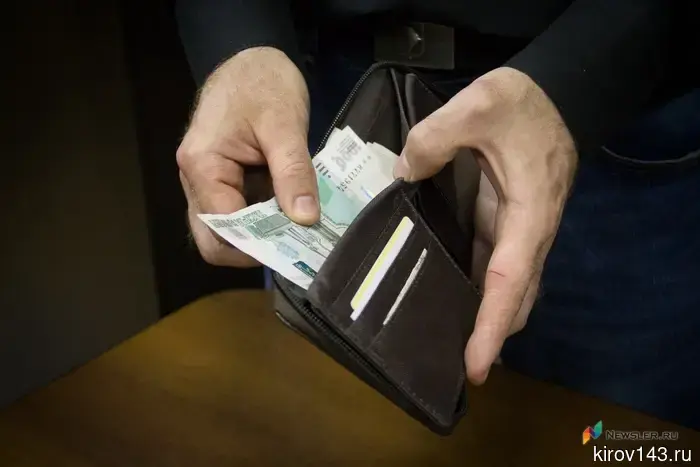
Young specialists are outpacing the market: the average income of Russians under 34 has exceeded 97 thousand.
As of the first five months of 2026, the average salary of Russians aged 18 to 34 reached 97,800 rubles. This is 6.5% higher than the same period last year. For comparison, the average growth rate across Russia during this period was 0.8 percentage points lower — youth incomes are increasing faster than the average market rate.
Within the age group itself, the dynamics are uneven. Specialists aged 25 to 34 earn an average of 106,300 rubles per month — this is 8.9% higher than the national average. Their median earnings in April 2026 amounted to 86,300 rubles, an increase of 7.6% year-on-year. For the younger category — aged 18 to 24 — the average salary stands at 78,500 rubles, while the median is 65,200 rubles. The growth here is more modest but still positive: plus 6.2% compared to April last year.
The traditional leaders in income levels are the northern and far eastern regions. In first place among specialists aged 18 to 34 is the Chukotka Autonomous Okrug with an average salary of 182,500 rubles (an annual increase of 15.1%). The second highest is the Magadan region — 151,200 rubles (+14.3%), followed by Moscow with an indicator of 143,700 rubles (+5.6%). The top ten also includes the Yamalo-Nenets Autonomous Okrug (138,300 rubles), Kamchatka Krai (129,400 rubles), Khanty-Mansi Autonomous Okrug (122,800 rubles), Murmansk region (119,300 rubles), Sakhalin region (119,000 rubles), the Republic of Sakha (Yakutia) — 117,700 rubles, and St. Petersburg (116,800 rubles).
The same geography is maintained when analyzing median salaries. Among the youngest workers (18–24 years), the top three leaders are: Chukotka (127,000 rubles), Magadan region (103,400 rubles), and YNAO (99,400 rubles). In the 25–34 age group, the highest median income is also in Chukotka (173,700 rubles), followed by the Magadan region (141,600 rubles) and Moscow (140,900 rubles).
The sectoral breakdown shows that the highest salaries for youth are in the extraction of mineral resources (147,000 rubles on average). The second place is occupied by the information and communication sector with 140,700 rubles, followed by professional, scientific, and technical activities (119,400 rubles), construction (118,600 rubles), and transportation and storage (116,900 rubles).
However, the most noticeable income growth rates are not recorded in these sectors. The electricity sector leads in dynamics (+15.1%), followed by housing and communal services (+12%), construction (+9.2%), and manufacturing (+9%). These figures, according to the research division of Sber, reflect the current demand from employers for young personnel specifically in technological and infrastructure sectors.
The analysis is based on aggregated and anonymized information using the "Monitoring of Regional Economies" platform for the period from January to May 2026. The sample covers all regions of Russia.
Другие Новости Кирова (НЗК)
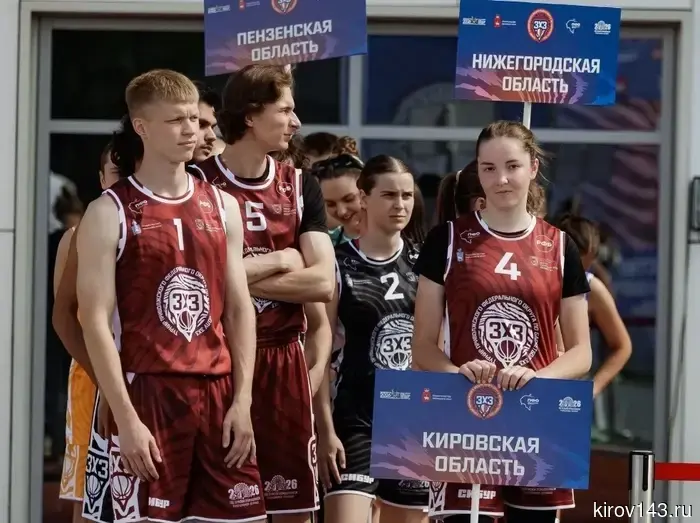 Kirov basketball players figured it out together.
The student teams of the region participated in the superfinal of the Volga Federal District tournament in 3x3 basketball.
Kirov basketball players figured it out together.
The student teams of the region participated in the superfinal of the Volga Federal District tournament in 3x3 basketball.
 The prosecutor's office helps a resident of the Kiknur district recover stolen money.
The Prosecutor's Office of the Kiknur District is assisting a local resident in recovering money that was stolen by online scammers. Part of the claims has already been satisfied by the court.
The prosecutor's office helps a resident of the Kiknur district recover stolen money.
The Prosecutor's Office of the Kiknur District is assisting a local resident in recovering money that was stolen by online scammers. Part of the claims has already been satisfied by the court.
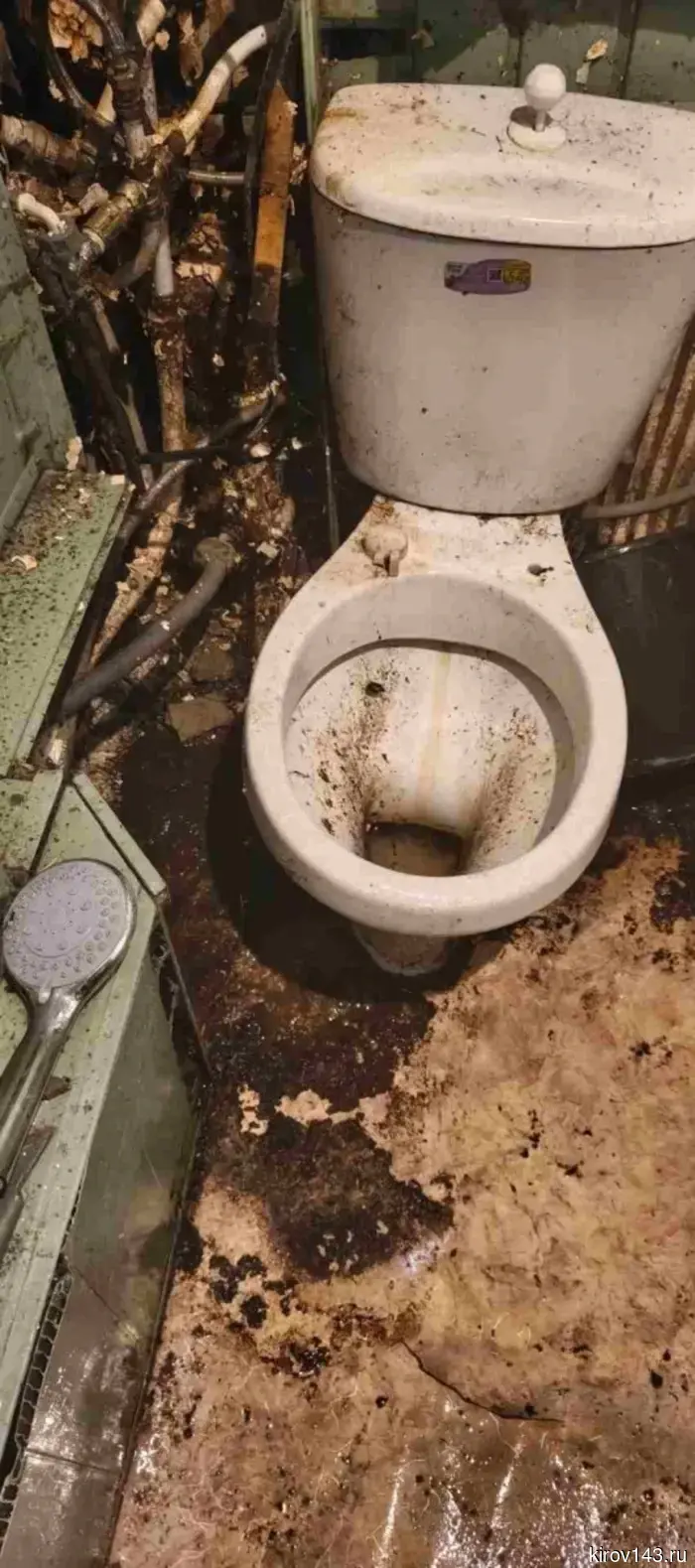 The Housing Inspectorate will check the house where a large family lives among sewage drains.
The State Housing Inspection of the Kirov Region responded to the situation in the house on Ordzhonikidze Street in Novovyatsk, where a large family has been living in unsanitary conditions for over a year due to leaking sewage.
The Housing Inspectorate will check the house where a large family lives among sewage drains.
The State Housing Inspection of the Kirov Region responded to the situation in the house on Ordzhonikidze Street in Novovyatsk, where a large family has been living in unsanitary conditions for over a year due to leaking sewage.
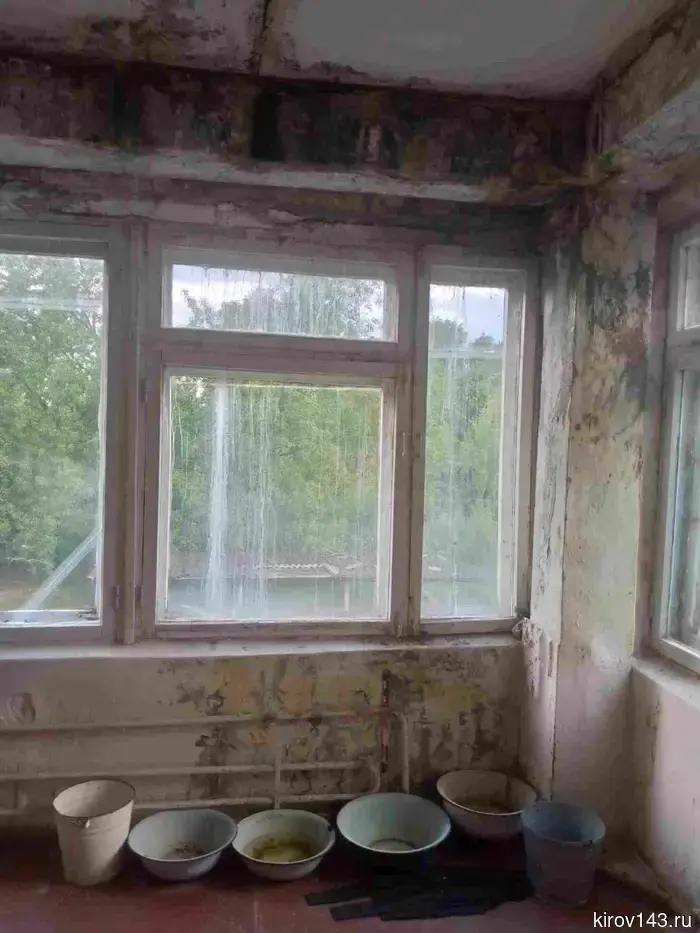 Bastrikin became interested in the emergency kindergarten with mold in the Kirov region.
The Chairman of the Investigative Committee of Russia, Alexander Bastrykin, instructed to present a report on the investigation of the criminal case initiated after reports of the improper condition of a kindergarten in the village of Kosino in the Zuevsky district.
Bastrikin became interested in the emergency kindergarten with mold in the Kirov region.
The Chairman of the Investigative Committee of Russia, Alexander Bastrykin, instructed to present a report on the investigation of the criminal case initiated after reports of the improper condition of a kindergarten in the village of Kosino in the Zuevsky district.
 Insurance instead of arrest: Kirov bailiffs sent one million rubles from the debtor to the budget.
In the Kirov region, bailiffs collected a tax debt from an individual entrepreneur without waiting for the money to arrive in his account. The reason for the collection was an insurance payout for a car involved in an accident.
Insurance instead of arrest: Kirov bailiffs sent one million rubles from the debtor to the budget.
In the Kirov region, bailiffs collected a tax debt from an individual entrepreneur without waiting for the money to arrive in his account. The reason for the collection was an insurance payout for a car involved in an accident.
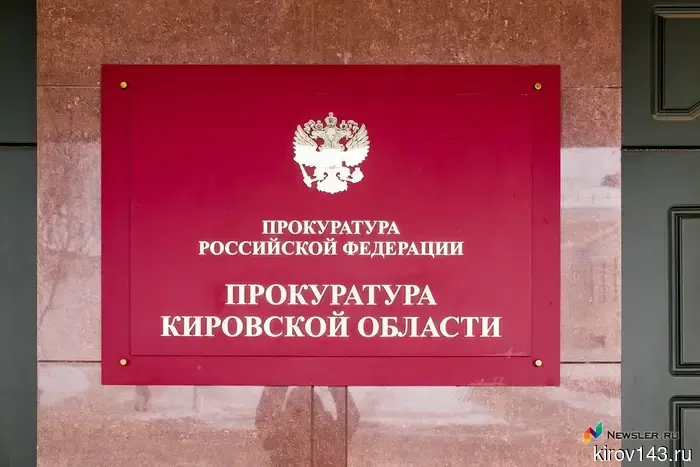 The widow and the two-year-old son of a soldier from the special military operation in the Kirov region have been granted access to the deceased's account.
A woman from the Bogorodsky district could not access nearly 400,000 rubles remaining in her husband's bank account, despite having already formalized her rights to other inherited property. The issue was resolved after a lawsuit from the prosecutor's office.
The widow and the two-year-old son of a soldier from the special military operation in the Kirov region have been granted access to the deceased's account.
A woman from the Bogorodsky district could not access nearly 400,000 rubles remaining in her husband's bank account, despite having already formalized her rights to other inherited property. The issue was resolved after a lawsuit from the prosecutor's office.
Young specialists are outpacing the market: the average income of Russians under 34 has exceeded 97 thousand.
The growth rates of salaries in the age group of 18–34 years turned out to be higher than the national averages. At the same time, the gap between the incomes of novice employees and their more experienced colleagues in the same age category remains significant and depends on the region and industry.