
The Supreme Court extended the approaches from the "Dolina case" to all real estate transactions.
The Supreme Court of Russia approved a review of judicial practice regarding the challenge of real estate transactions, which included the approaches applied in the case of singer Larisa Dolina, reports the newspaper "Kommersant." The document contains clarifications on Article 178 of the Civil Code, concerning transactions made under the influence of misunderstanding.
According to the review, the seller's misunderstanding regarding the motives of the transaction cannot serve as sufficient grounds for declaring it invalid. Courts are instructed to take into account the good faith behavior of the buyer, as well as the buyer's ability to recognize the misunderstanding under which the seller acted. The review emphasizes that both parties to the disputed transaction should have equal protection.
The document also clarifies that the seller is obliged to prove that they did not understand the meaning of their actions. If the victim refuses to undergo a mental health evaluation, the court may dismiss their claim.
Recall that in the summer of 2024, Larisa Dolina sold an apartment in Khamovniki to Polina Lurie for 112 million rubles, after which she claimed to have become a victim of fraudsters to whom she sent the received money. The Khamovnichesky Court of Moscow restored the singer's rights to the property, but in December 2025, the Supreme Court overturned this decision and left the apartment with Polina Lurie.
Другие Новости Кирова (НЗК)
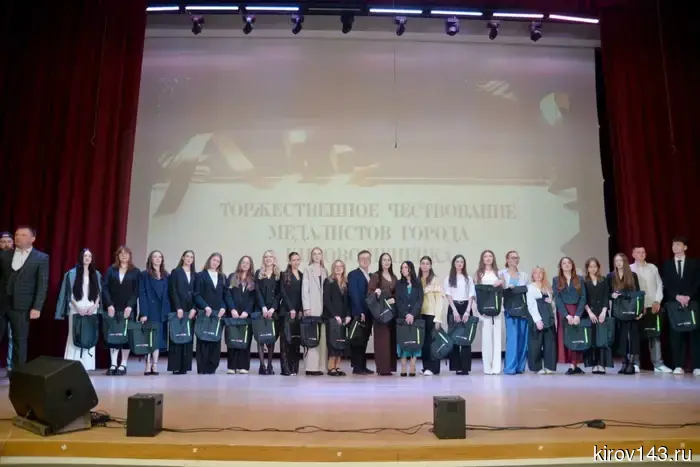 "Uralchem" congratulated the medal-winning graduates of Kirovo-Chepetsk BRIF
On the eve of Youth Day, with the support of the branch "KCHHK" of JSC "OHC "Uralchem", a ceremony honoring the medalists of schools in Kirovo-Chepetsk took place.
"Uralchem" congratulated the medal-winning graduates of Kirovo-Chepetsk BRIF
On the eve of Youth Day, with the support of the branch "KCHHK" of JSC "OHC "Uralchem", a ceremony honoring the medalists of schools in Kirovo-Chepetsk took place.
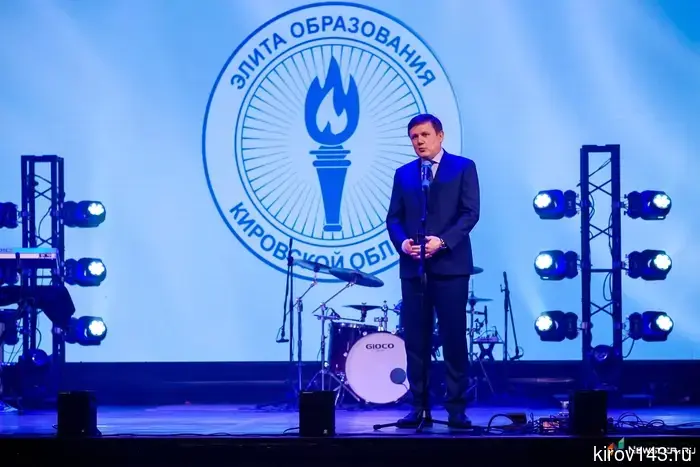 "Education Elite" in numbers: 85 thousand votes and 35 million rubles in support
The "Elite Education of Kirov Region" award has transformed over the years from a new regional initiative into one of the most notable projects of public recognition of pedagogical work.
"Education Elite" in numbers: 85 thousand votes and 35 million rubles in support
The "Elite Education of Kirov Region" award has transformed over the years from a new regional initiative into one of the most notable projects of public recognition of pedagogical work.
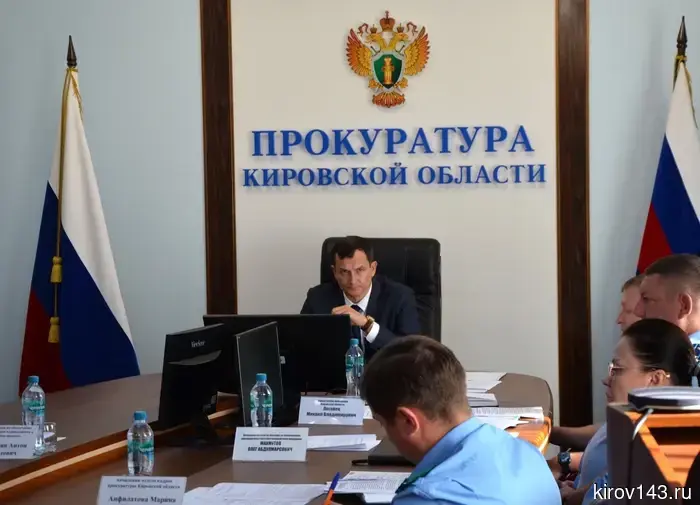 Snowfall on a child and damaged facades: the prosecutor's office of the Kirov region summarized the results of oversight over the management company.
Injury to more than 100 people during the winter period, a criminal case regarding the fall of snow on a minor from Kirov and the destruction of facades in three cities — these topics became the main focus at the expanded meeting of the Kirov region prosecutor's office board. The supervisory agency noted that the number of violations in the area of maintaining common property remains significant, despite systematic efforts.
Snowfall on a child and damaged facades: the prosecutor's office of the Kirov region summarized the results of oversight over the management company.
Injury to more than 100 people during the winter period, a criminal case regarding the fall of snow on a minor from Kirov and the destruction of facades in three cities — these topics became the main focus at the expanded meeting of the Kirov region prosecutor's office board. The supervisory agency noted that the number of violations in the area of maintaining common property remains significant, despite systematic efforts.
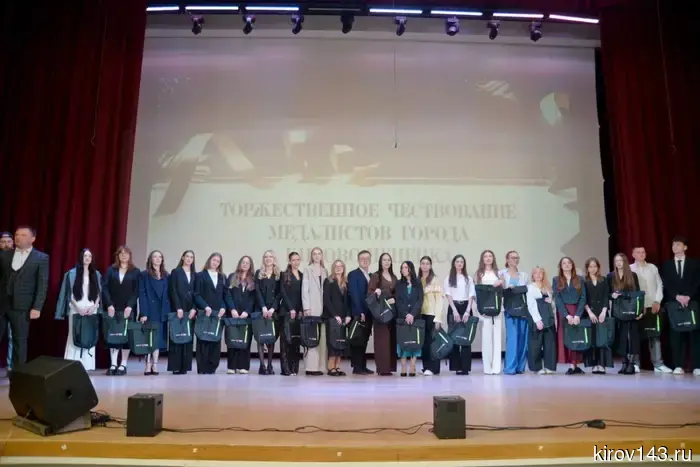 "Uralchem" congratulated the medal-winning graduates of Kirovo-Chepetsk BRIF
On the eve of Youth Day, with the support of the branch "KCHHK" of JSC "OHC "Uralchem", a ceremony was held to honor the medalists of schools in Kirovo-Chepetsk.
"Uralchem" congratulated the medal-winning graduates of Kirovo-Chepetsk BRIF
On the eve of Youth Day, with the support of the branch "KCHHK" of JSC "OHC "Uralchem", a ceremony was held to honor the medalists of schools in Kirovo-Chepetsk.
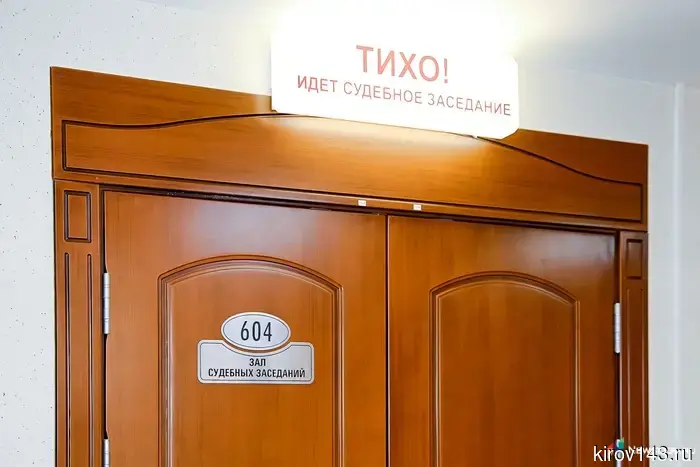 Residents of the Kirov region will have their electricity charges recalculated.
The Arbitration Court supported the State Housing Inspection of the Kirov Region in a dispute with the resource-supplying organization and ordered the application of a reduced electricity tariff for residents of houses with electric stoves. Consumers are now to be recalculated and refunded the overpaid money.
Residents of the Kirov region will have their electricity charges recalculated.
The Arbitration Court supported the State Housing Inspection of the Kirov Region in a dispute with the resource-supplying organization and ordered the application of a reduced electricity tariff for residents of houses with electric stoves. Consumers are now to be recalculated and refunded the overpaid money.
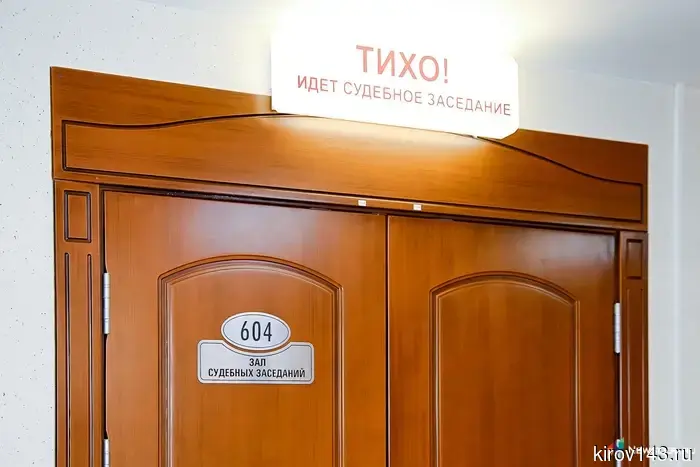 Residents of the Kirov region will have their electricity charges recalculated.
The Arbitration Court supported the State Housing Inspection of the Kirov Region in a dispute with the resource-supplying organization and ordered the application of a reduced electricity tariff for residents of houses with electric stoves. Consumers are now to be recalculated and refunded the overpaid money.
Residents of the Kirov region will have their electricity charges recalculated.
The Arbitration Court supported the State Housing Inspection of the Kirov Region in a dispute with the resource-supplying organization and ordered the application of a reduced electricity tariff for residents of houses with electric stoves. Consumers are now to be recalculated and refunded the overpaid money.
The Supreme Court extended the approaches from the "Dolina case" to all real estate transactions.
The Supreme Court of the Russian Federation approved a review of the practice of challenging transactions, in which it established positions developed in the high-profile dispute of singer Larisa Dolina regarding an apartment in Khamovniki. The document states that the seller's misunderstanding of the motives of the transaction cannot be a sufficient basis for its cancellation, and the courts must take into account the good faith of the other party.