
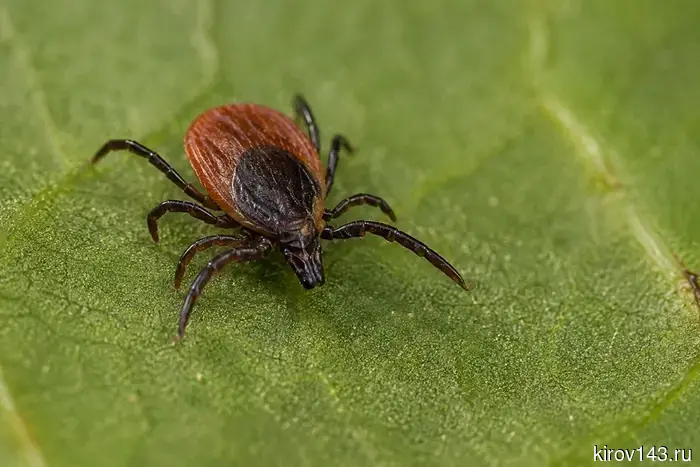
Scientists have determined that the strongest influence on tick activity is
Scientists from the Faculty of Computational Mathematics and Cybernetics at Moscow State University, in collaboration with specialists from the Federal Scientific Center for Research and Development of Immunobiological Preparations named after M.P. Chumakov of the Russian Academy of Sciences, conducted a study dedicated to the activity of ixodid ticks — carriers of dangerous infections, including tick-borne encephalitis.
During the work, researchers analyzed more than 38,000 measurements obtained from 687 ticks of three species from five regions of Russia. Specialists studied the influence of air temperature, time of day, habitat, tick species, and its infection with the tick-borne encephalitis virus.
Tick activity was assessed by the height of ascent on vegetation. This indicator is directly related to the likelihood that a tick can reach a human or animal.
The results showed that the main factor affecting tick activity is the ambient temperature. Moreover, the degree of its impact depends on the tick species, its habitat, and the presence of infection. It was also found that the time of day does not have a significant effect on tick activity.
According to the researchers, the activity of different tick species varies significantly depending on environmental conditions and infection levels. The data obtained can be used to assess epidemiological risks, predict the spread of infections, and develop preventive measures.
The results of the study were presented at the scientific conference "Lomonosov Readings" at Moscow State University.
Другие Новости Кирова (НЗК)
 "Let's return everything that was stolen": scammers have gone for a second round
First, a person is tricked into giving money under the guise of investments. And when they are left with nothing, "rescuers" from a fake fund or "Interpol" come in. In 2026, a trend is gaining momentum in Russia: the deceived are deceived again, playing on the desire to recover what was lost.
"Let's return everything that was stolen": scammers have gone for a second round
First, a person is tricked into giving money under the guise of investments. And when they are left with nothing, "rescuers" from a fake fund or "Interpol" come in. In 2026, a trend is gaining momentum in Russia: the deceived are deceived again, playing on the desire to recover what was lost.
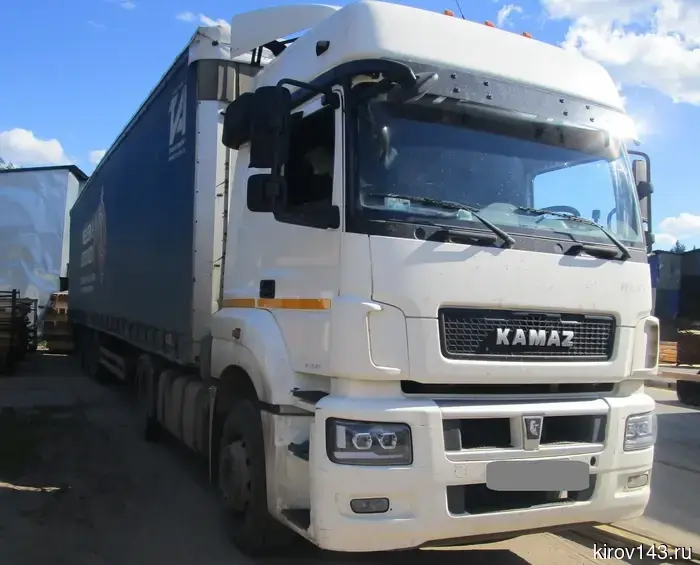 В Слободском районе КамАЗ наехал на девочку девяти лет.
9 июня, во вторник, в 13:40 на Центральной улице в деревне Подгорена Слободского района 31-летний шофер «КамАЗа» с прицепом сбил 9-летнюю девочку, которая переходила дорогу. Об этом сообщили в ГИБДД Кировской области. Согласно предварительным данным, в результате происшествия ребенок-пешеход...
В Слободском районе КамАЗ наехал на девочку девяти лет.
9 июня, во вторник, в 13:40 на Центральной улице в деревне Подгорена Слободского района 31-летний шофер «КамАЗа» с прицепом сбил 9-летнюю девочку, которая переходила дорогу. Об этом сообщили в ГИБДД Кировской области. Согласно предварительным данным, в результате происшествия ребенок-пешеход...
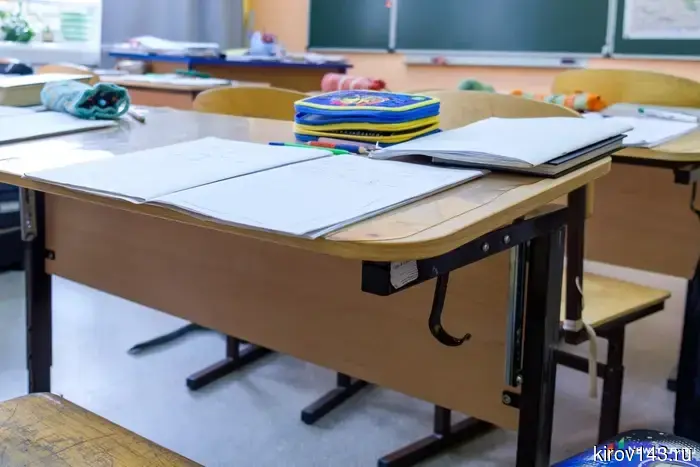 More than 3,000 schoolchildren from Kirov are preparing to take the Unified State Exam in social studies and physics.
On June 11, the graduates of the 11th grade will have to take two exams. The most popular subject is social studies, chosen by 2,114 people. Physics will be taken by 948 students. For the examinations, 54 sites have been set up, involving more than 3,000 staff members.
More than 3,000 schoolchildren from Kirov are preparing to take the Unified State Exam in social studies and physics.
On June 11, the graduates of the 11th grade will have to take two exams. The most popular subject is social studies, chosen by 2,114 people. Physics will be taken by 948 students. For the examinations, 54 sites have been set up, involving more than 3,000 staff members.
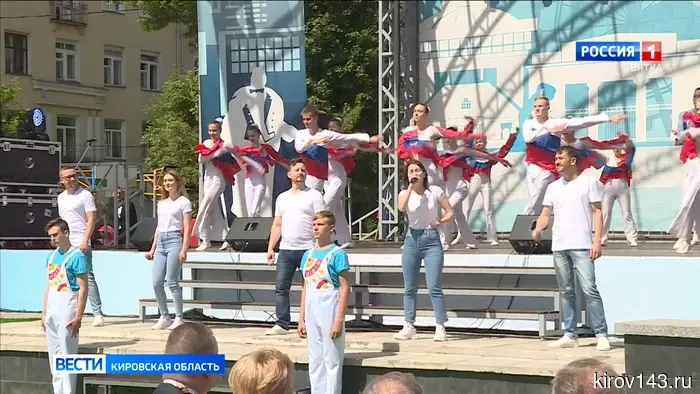 12 июня Киров будет участвовать в праздновании Дня России.
Мероприятия состоятся во всех районах областного центра. Первые события намечены на 11 июня в заречной зоне города и поселке Костино. День России жителям Кирова предложат начать с коллективной зарядки на Театральной площади в 8:00. В 11 часов запланированы акция «Российский триколор» и торжественное мероприятие.
12 июня Киров будет участвовать в праздновании Дня России.
Мероприятия состоятся во всех районах областного центра. Первые события намечены на 11 июня в заречной зоне города и поселке Костино. День России жителям Кирова предложат начать с коллективной зарядки на Театральной площади в 8:00. В 11 часов запланированы акция «Российский триколор» и торжественное мероприятие.
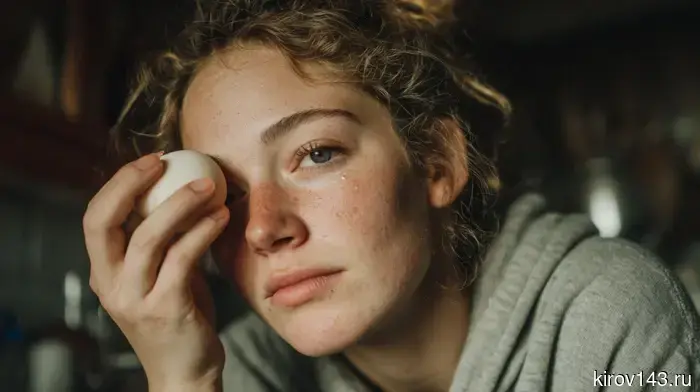 Warm, press, smear: three mistakes that turn a painless lump on the eyelid into an abscess.
A dense "pea" on the eyelid can sit for weeks, it doesn't hurt, but it also doesn't go away. Familiar story? Many habitually call it a stye and start home treatment with an egg or a tea bag. Ophthalmologists warn: this can not only fail to cure it but also lead to surgery or even phlegmon. This is because in half of such cases, it is not a stye but a chalazion — and the approach to it must be fundamentally different.
Warm, press, smear: three mistakes that turn a painless lump on the eyelid into an abscess.
A dense "pea" on the eyelid can sit for weeks, it doesn't hurt, but it also doesn't go away. Familiar story? Many habitually call it a stye and start home treatment with an egg or a tea bag. Ophthalmologists warn: this can not only fail to cure it but also lead to surgery or even phlegmon. This is because in half of such cases, it is not a stye but a chalazion — and the approach to it must be fundamentally different.
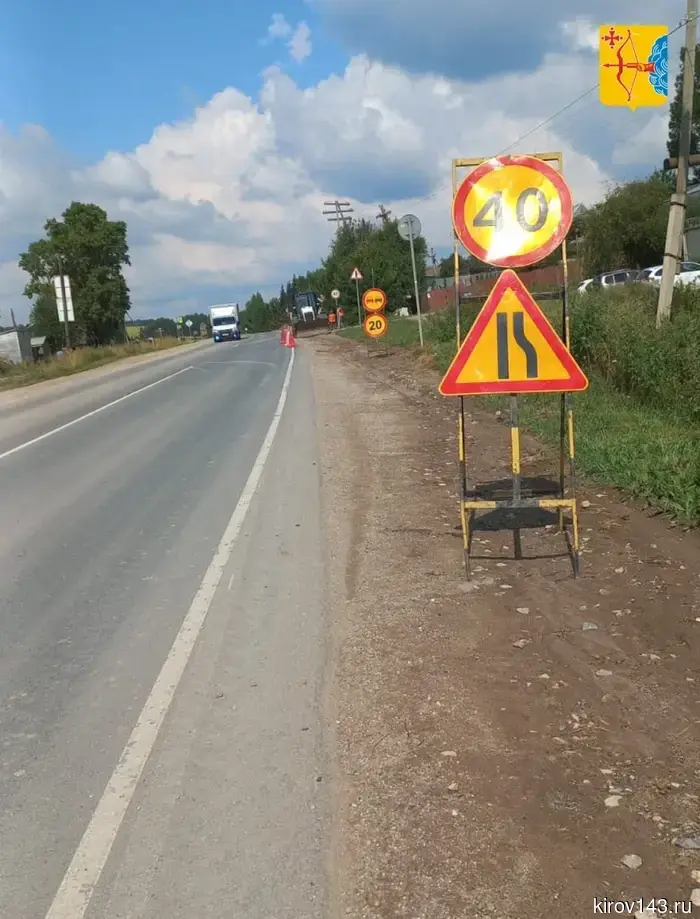 Sidewalks and bus stops will be built on the highway in the Sunskiy district.
It is also planned to install streetlights.
Sidewalks and bus stops will be built on the highway in the Sunskiy district.
It is also planned to install streetlights.
Scientists have determined that the strongest influence on tick activity is
Researchers from Moscow State University and the Chumakov Poliomyelitis Institute studied the behavior of ixodid ticks and identified factors that increase their activity and the risk of contact with humans.