
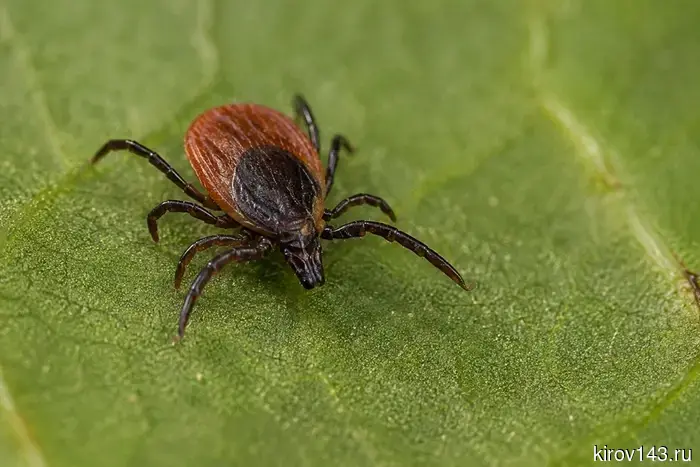
Ticks did not sleep until November: the number of bites in the Kirov region increased by almost 46%.
In the Kirov region, in 2025, 30,452 people sought medical help after tick bites. This is 45.8% more than the previous year. Such data is contained in the state report "On the state of sanitary and epidemiological well-being of the population in the Kirov region."
The report is prepared annually by the regional office of Rospotrebnadzor in collaboration with the Center for Hygiene and Epidemiology. It collects data on the sanitary situation in the region, the state of the environment, the spread of diseases, and other indicators related to public health.
According to the published data, the tick season last year was not only more active but also longer. The first victim was registered on March 26 in the Omutninsky district. The last case of a bite was recorded only on November 17 in Kirov. In fact, ticks remained active for almost eight months.
Of the total number of victims, 14.7% were children under 17 years old. The most requests from residents to medical institutions occurred in May and June — these months traditionally become the peak of tick activity.
Experts also note an increase in the activity of the parasites themselves. In spring, the weather conditions were favorable for the early emergence of ticks: high temperatures were established at the end of March and the beginning of April, and the snow melted quite quickly. As a result, ticks began to show activity about a week earlier than usual.
In May, very high activity levels were recorded in certain places — up to 34 ticks per flag kilometer*. At the same time, subsequent cold snaps and frosts, as noted in the report, affected the activity of ticks but not their numbers.
Certain species of ticks also showed an increase. For instance, the activity of the taiga tick (Ixodes persulcatus), which is considered the main carrier of dangerous infections, increased by 42.5% compared to the previous year. An even more noticeable increase was shown by ticks of the genus Dermacentor — their numbers grew by 88.2% over the year.
The number of ticks sent for laboratory research also increased. If in 2024 specialists studied 20,373 ticks removed from people, in 2025 their number rose to 29,827.
Research showed that some parasites were infected with various infections. Thus, almost half — 49.6% of the examined ticks removed from people — turned out to be carriers of the causative agents of tick-borne borreliosis. Also, some of the examined samples revealed the causative agents of tick-borne encephalitis and other infections.
At the same time, in the current year of 2026, obtaining current statistics on ticks has proven to be more difficult. Recall that the editorial office of Newsler.ru sent official requests twice to the Kirov region Rospotrebnadzor asking for data on the number of bites and illnesses in 2026. In response, the agency limited itself to general statements without specific figures, and no response has yet been received to the repeated request. Previously, the agency regularly published detailed weekly reports on the tick situation, indicating the number of requests, cases of illness, and laboratory research data.
Другие Новости Кирова (НЗК)
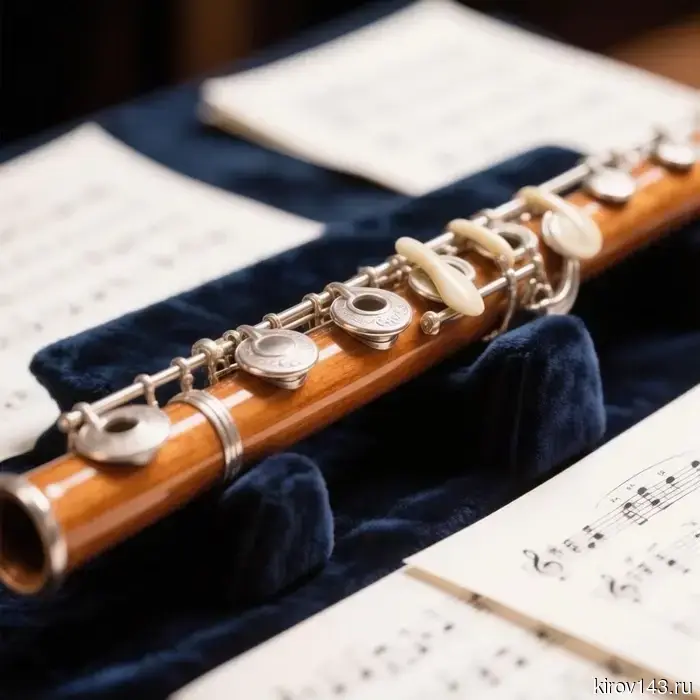 Кировчан зовут на концерт музыки великих композиторов, исполняемой на флейте.
Кировчан приглашают 5 июня в 18:00 в концертный зал Кировского колледжа музыкального искусства имени И.В. Казенина на концерт флейтового класса преподавателя Елены Зюриной. Как сообщили в учебном заведении, на сцене будут исполнены произведения известных композиторов – от Шуберта и Дебюсси до Чайковского и Цыбина.
Кировчан зовут на концерт музыки великих композиторов, исполняемой на флейте.
Кировчан приглашают 5 июня в 18:00 в концертный зал Кировского колледжа музыкального искусства имени И.В. Казенина на концерт флейтового класса преподавателя Елены Зюриной. Как сообщили в учебном заведении, на сцене будут исполнены произведения известных композиторов – от Шуберта и Дебюсси до Чайковского и Цыбина.
 Kirov residents were told how to join the astronaut team.
The acceptance of applications from those wishing to join the astronaut team continues on the State Services portal. Documents can be submitted until the end of June.
Kirov residents were told how to join the astronaut team.
The acceptance of applications from those wishing to join the astronaut team continues on the State Services portal. Documents can be submitted until the end of June.
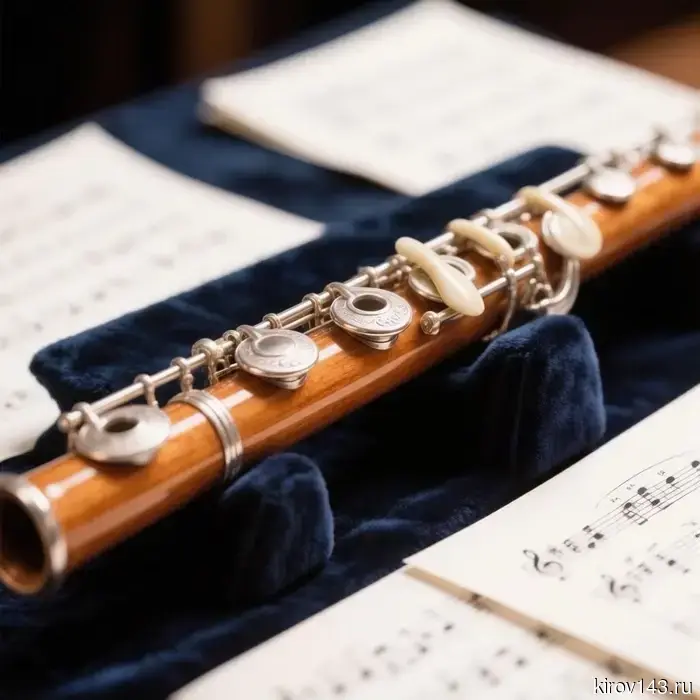 Жителей Кирова приглашают насладиться музыкой известных композиторов, исполняемой на флейте.
Кировчан приглашают 5 июня в 18:00 в концертный зал Кировского колледжа музыкального искусства имени И.В. Казенина на концерт класса флейты преподавателя Елены Зюриной. По информации от учреждения, со сцены будут представлены произведения известных композиторов – от Шуберта и Дебюсси до Чайковского и Цыбина.
Жителей Кирова приглашают насладиться музыкой известных композиторов, исполняемой на флейте.
Кировчан приглашают 5 июня в 18:00 в концертный зал Кировского колледжа музыкального искусства имени И.В. Казенина на концерт класса флейты преподавателя Елены Зюриной. По информации от учреждения, со сцены будут представлены произведения известных композиторов – от Шуберта и Дебюсси до Чайковского и Цыбина.
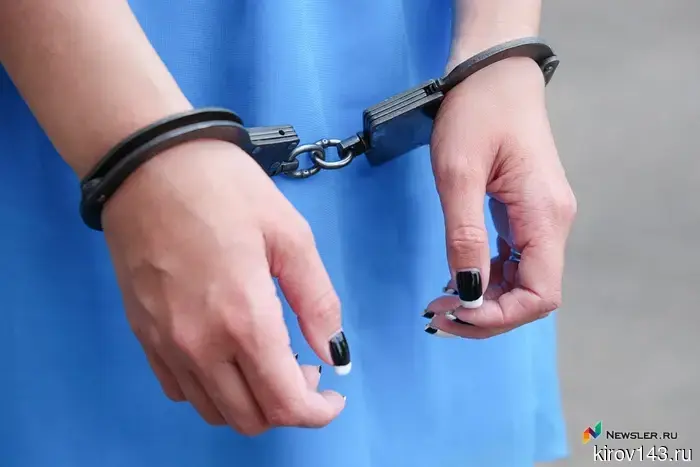 A woman staged a brawl outside the "Tulip" store in Orichi.
A 53-year-old resident of the Orichevsky district has already been convicted of a particularly serious crime. Now she has been convicted again - for a fight right at the trading point in the village.
A woman staged a brawl outside the "Tulip" store in Orichi.
A 53-year-old resident of the Orichevsky district has already been convicted of a particularly serious crime. Now she has been convicted again - for a fight right at the trading point in the village.
 In the Sunsky district, they want to repair the road for 122 million.
The authorities are looking for a contracting organization.
In the Sunsky district, they want to repair the road for 122 million.
The authorities are looking for a contracting organization.
 In Kirov, former migrants were checked at the "EcoFair".
In Kirov, employees of the military investigative department of the Investigative Committee of Russia for the Kirov garrison conducted another raid to ensure compliance with migration legislation.
In Kirov, former migrants were checked at the "EcoFair".
In Kirov, employees of the military investigative department of the Investigative Committee of Russia for the Kirov garrison conducted another raid to ensure compliance with migration legislation.
Ticks did not sleep until November: the number of bites in the Kirov region increased by almost 46%.
In the Kirov region, the number of residents affected by tick bites has sharply increased. In 2025, more than 30,000 people sought medical help, and the season of bloodsucker activity lasted for almost eight months.