

Kids and social networks: the world is introducing a digital ban — is Russia next in line?
Turkey: law passed, six-month pause
The Turkish Parliament has approved a law that can be considered one of the strictest in the region. Social networks and multiplayer online games will be required to implement an age verification system and block the registration of users under 15 years old. For children, separate "safe" versions of services with parental controls will be mandated: adults will be able to manage settings, limit spending, and screen time.
Content deemed prohibited by the authorities must be removed by platforms within an hour. Large foreign companies are required to appoint official representatives in Turkey. Fines for violations range from 1 to 30 million lira.
The law will take effect six months after being signed by the president. The impetus to accelerate regulation was the high-profile tragedies in schools, which Erdogan directly linked to the "corrupting influence" of social networks.
Who else is imposing bans?
The map of restrictions is rapidly expanding:
Australia has introduced a ban on access to social networks for individuals under 16 years old, effective from December 2025.
Indonesia has set a similar threshold of 16 years, introduced in March 2026.
Greece has enacted a law prohibiting access for children under 15 years, which will come into force on January 1, 2027.
In France, a bill with a 15-year age limit has passed the lower house of parliament; launch is expected by September 2026.
In the UK, the House of Lords supported an amendment to ban access until 16 years old, consultations are ongoing.
Norway is preparing a bill, with a likely threshold of 16 years.
At the EU level, a unified age verification application is being developed: the system should confirm adulthood anonymously, without passing personal data to platforms.
China operates differently — there, they practice a "digital curfew," cutting off children's access to games and social networks at night. Estonia, on the other hand, has taken the opposite approach and focuses not on bans but on teaching digital literacy from early grades.
Russia: there are bans, but the scheme is different
In Russia, there is currently no complete age ban on social networks like the Turkish or Australian models. However, restrictions are already in place, and they pertain to different matters — content and personal data.
The law on protecting children from harmful information (436-FZ) establishes age labeling for content: 0+, 6+, 12+, 16+, and 18+. Platforms and media are required to label materials, and for distributing information prohibited for children (such as pornography, suicide propaganda, or drugs), there are penalties up to resource blocking.
Additionally, consent is required for processing personal data: from the age of 14, a teenager can give consent for their data to be processed independently. Below this age, consent must come from parents or guardians. This is currently the main "age filter" for registration on social networks. In practice, children under 14 often register using someone else's data or with tacit parental consent, and there is no strict verification like in Turkey.
The law on self-restriction on loans: although this is not directly about social networks, the measure protects teenagers from fraudsters. Thus, from the age of 14, one can set a self-restriction on loan issuance to prevent criminals from obtaining loans using stolen data.
Moreover, Roskomnadzor maintains a registry of banned websites and blocks resources with destructive content regardless of the user's age. Starting September 1, 2025, amendments on mandatory age labeling for video games and books also came into force in Russia — another element of the overall system for protecting children.
The main difference in approaches
Western and Asian countries are increasingly opting for "hard bans" — complete prohibitions on access to social networks until a certain age. Russia, however, is currently acting through content filtering and data regulation, without blocking the very possibility of children's presence on platforms. Whether the Russian approach will become stricter and whether a "digital curfew" will emerge is a question for lawmakers. But the global trend towards strengthening childhood protection online is already irreversible, and each country is seeking its balance between safety and freedom.
Другие Новости Кирова (НЗК)
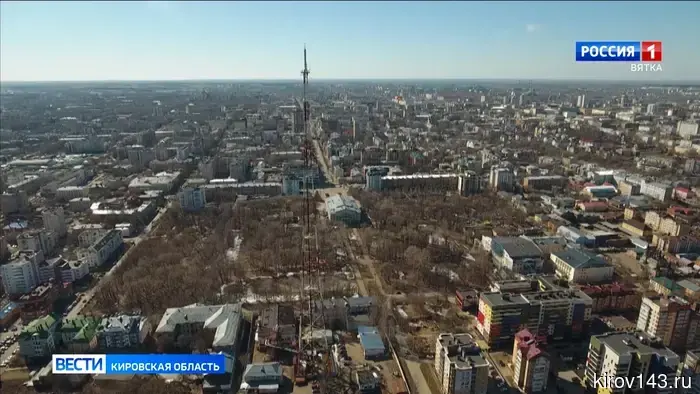 В Кировской области планируется строительство 190 километров электрических магистралей и 45 подстанций.
Министр энергетики и ЖКХ Кировской области Максим Горностаев сообщил на заседании комитета по промышленности и развитию инфраструктуры регионального Законодательного собрания, что предприятия региона в 2025 году инвестировали в модернизацию энергетических систем Кировской области свыше 1,6 миллиарда рублей. Эти средства были привлечены из внебюджетных источников.
В Кировской области планируется строительство 190 километров электрических магистралей и 45 подстанций.
Министр энергетики и ЖКХ Кировской области Максим Горностаев сообщил на заседании комитета по промышленности и развитию инфраструктуры регионального Законодательного собрания, что предприятия региона в 2025 году инвестировали в модернизацию энергетических систем Кировской области свыше 1,6 миллиарда рублей. Эти средства были привлечены из внебюджетных источников.
 Gemini will get "stuck in the swamp," while Leos will need to temper their enthusiasm.
Astrologers revealed how Sunday, April 26, will go for all zodiac signs.
Gemini will get "stuck in the swamp," while Leos will need to temper their enthusiasm.
Astrologers revealed how Sunday, April 26, will go for all zodiac signs.
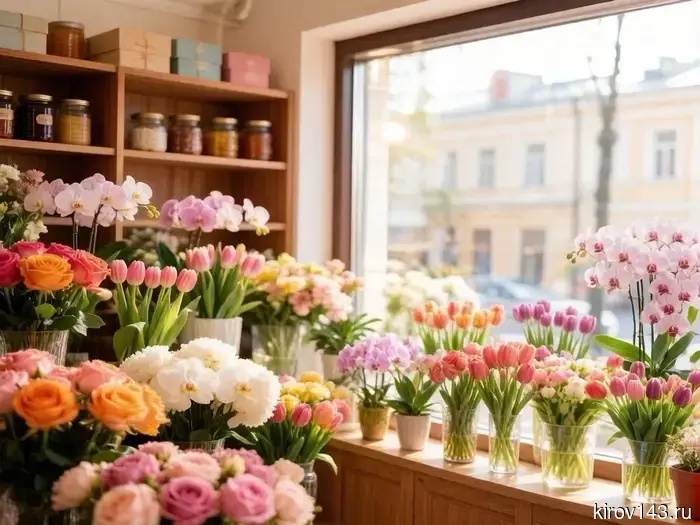 Мама с несколькими детьми из Уржума запустила цветочный магазин.
Анна Шубина, многодетная мама из Уржума, приняла решение открыть цветочный магазин с использованием соцконтракта, как уточнили в региональном правительстве. У предпринимательницы уже был опыт работы флористом. Во время декрета Анна задумалась о дополнительном доходе. На полученную субсидию она приобрела часть
Мама с несколькими детьми из Уржума запустила цветочный магазин.
Анна Шубина, многодетная мама из Уржума, приняла решение открыть цветочный магазин с использованием соцконтракта, как уточнили в региональном правительстве. У предпринимательницы уже был опыт работы флористом. Во время декрета Анна задумалась о дополнительном доходе. На полученную субсидию она приобрела часть
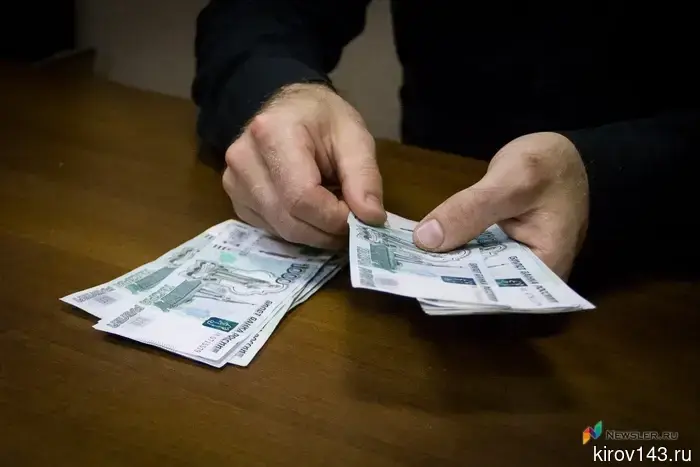 The incomes of officials, their wives, and children will now be calculated together.
Russian President Vladimir Putin signed a law that requires government officials to provide information about their total income — their own, their spouse's, and their minor children's.
The incomes of officials, their wives, and children will now be calculated together.
Russian President Vladimir Putin signed a law that requires government officials to provide information about their total income — their own, their spouse's, and their minor children's.
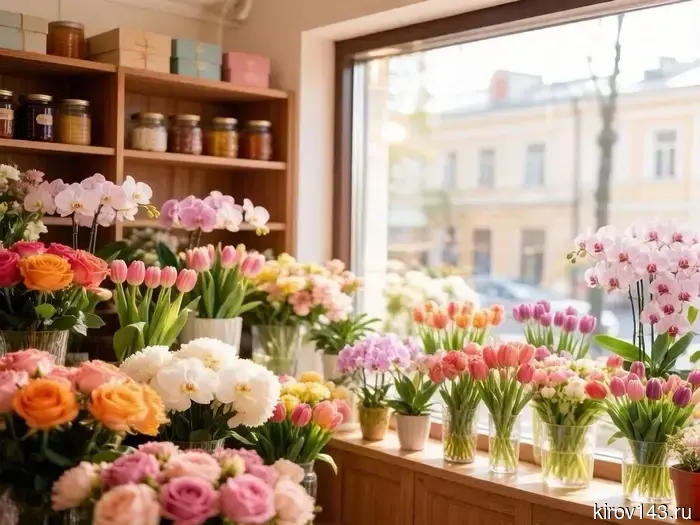 Мама с несколькими детьми из Уржума открыла магазин цветов.
Анна Шубина – многодетная мама из Уржума, которая решила открыть цветочный магазин при поддержке социального контракта, сообщили в правительстве региона. У предпринимательницы уже был опыт работы флористом. Анна начала думать о дополнительном доходе во время декретного отпуска. На полученные средства она приобрела часть необходимого оборудования.
Мама с несколькими детьми из Уржума открыла магазин цветов.
Анна Шубина – многодетная мама из Уржума, которая решила открыть цветочный магазин при поддержке социального контракта, сообщили в правительстве региона. У предпринимательницы уже был опыт работы флористом. Анна начала думать о дополнительном доходе во время декретного отпуска. На полученные средства она приобрела часть необходимого оборудования.
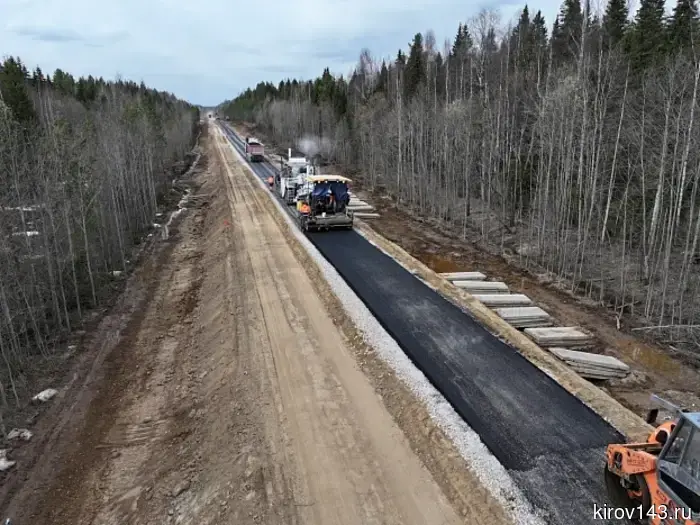 Впервые асфальтируют дорогу к Подосиновцу.
Впервые на дороге к Подосиновцу уложат асфальт.
Впервые асфальтируют дорогу к Подосиновцу.
Впервые на дороге к Подосиновцу уложат асфальт.
Kids and social networks: the world is introducing a digital ban — is Russia next in line?
Starting from September 2025, it will be prohibited to access TikTok in Australia until the age of 16. Indonesia and Malaysia have also said "no" to social networks for teenagers. Now Turkey has joined the club with a threshold of 15 years. The world is tightening age restrictions one by one, but what is happening in Russia against this backdrop? We are examining who, where, and what is being banned, and comparing the approaches.