

Generation Z and millennials are changing the market: 68% of young shoppers actively buy items on the resale market.
Key preferences of the younger generation
According to the study, 68% of Zoomers and Millennials made purchases in the resale sector over the past year. The main motivations for the younger generation were finding good deals, environmental friendliness, and access to a unique selection.
At the same time, premium brands in the resale market are twice as popular as in the new-clothing market.
The Russian resale market is showing impressive momentum:
The share of resale in the total e-commerce volume reached 14%
The Russian e-commerce market grew by 33% in 2024
The Fashion category accounts for 27% of all transactions on the largest marketplaces
Trend toward local brands
Among young people, interest in Russian premium brands in resale is growing. The top 10 most in-demand brands included 12Storeez, Monochrome, and Ushatava.
Youth as a driver of entrepreneurship:
22% of new entrepreneurs on marketplaces are teenagers aged 14–18
Young people successfully combine studying with running a business
Minimal starting capital (from 10,000 rubles) allows projects to be launched quickly
Promotion tips from experts:
Create simple but meaningful content
Be authentic — “people buy from people”
Don't chase expensive production — the idea and style matter more
Use marketplaces' built-in tools for promotion
Generations Z and Millennials are not only changing consumer habits but are also actively shaping a new economy where conscious consumption and entrepreneurship are becoming an integral part of youth culture, reports volga.news.
Другие Новости Кирова (НЗК)
 An elderly woman was fatally hit on Oktyabrsky Prospekt.
The woman died in the hospital from her injuries.
An elderly woman was fatally hit on Oktyabrsky Prospekt.
The woman died in the hospital from her injuries.
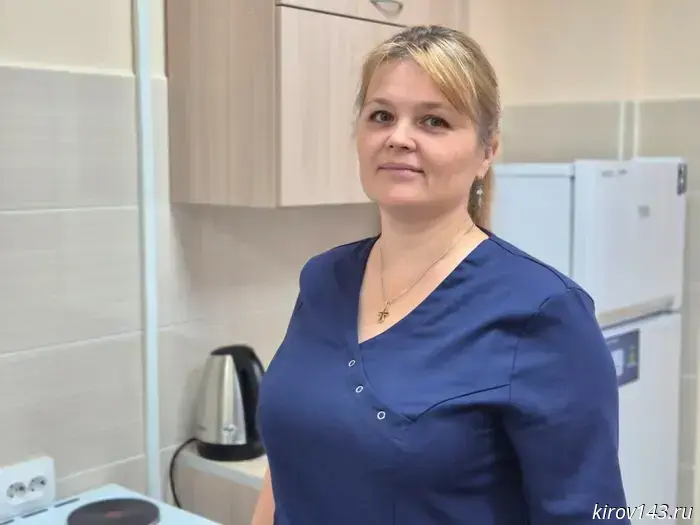 An occupational therapist has started work at the Kirov Rehabilitation Center.
The new specialist helps patients after injuries and severe illnesses.
An occupational therapist has started work at the Kirov Rehabilitation Center.
The new specialist helps patients after injuries and severe illnesses.
 1% mortgage for teachers and doctors: the State Duma proposed a Russian version of the Kazakh program
An initiative was put forward in the State Duma to create a special preferential mortgage program in Russia for social‑sector workers — teachers and doctors. The proposal was made by Alexander Aksenenko, deputy chairman of the State Duma Committee on Construction and Housing and Communal Services.
1% mortgage for teachers and doctors: the State Duma proposed a Russian version of the Kazakh program
An initiative was put forward in the State Duma to create a special preferential mortgage program in Russia for social‑sector workers — teachers and doctors. The proposal was made by Alexander Aksenenko, deputy chairman of the State Duma Committee on Construction and Housing and Communal Services.
 Kirov residents are being deceived by scammers posing as employees of the Social Fund.
The SFR branch in the Kirov Region reported increased activity by scammers who call and pose as employees of the Social Fund.
Kirov residents are being deceived by scammers posing as employees of the Social Fund.
The SFR branch in the Kirov Region reported increased activity by scammers who call and pose as employees of the Social Fund.
 Scratch-off of the Week: When the Leaves Fall and Spirits Lift
Autumn is in full swing: the stars wrap themselves in mist, the Moon whispers "slow down" in your ear, and Buba purrs the recipe for happiness — less fuss, more meaning, and a little cream in your coffee.
How to keep potatoes fresh at home
Storing potatoes in a residential space is often accompanied by certain difficulties. Unlike specially equipped storage facilities, it's hard in a home environment to maintain the ideal temperature and protection from light, which causes the tubers to sprout and lose their quality fairly quickly. Even carefully selected potatoes can begin to sprout after just a few weeks in the warmth of an apartment.
Scratch-off of the Week: When the Leaves Fall and Spirits Lift
Autumn is in full swing: the stars wrap themselves in mist, the Moon whispers "slow down" in your ear, and Buba purrs the recipe for happiness — less fuss, more meaning, and a little cream in your coffee.
How to keep potatoes fresh at home
Storing potatoes in a residential space is often accompanied by certain difficulties. Unlike specially equipped storage facilities, it's hard in a home environment to maintain the ideal temperature and protection from light, which causes the tubers to sprout and lose their quality fairly quickly. Even carefully selected potatoes can begin to sprout after just a few weeks in the warmth of an apartment.
Generation Z and millennials are changing the market: 68% of young shoppers actively buy items on the resale market.
The new generation of consumers is radically changing the rules of the game in the Russian market. According to research, almost 70% of Generation Z and millennial consumers consciously choose to buy secondhand items, shaping a new trend of conscious consumption.