

Russian companies have developed standards for a trusted repository of open-source software.
Experts identified the key criteria for trust in open-source software:
Technical ability to verify code builds
Legal soundness of licensing
Operational capability to ensure ongoing support
Special attention was paid to the requirements for the repository operator, who must have relevant expertise, experience working with critical information infrastructure (CII), and financial stability.
Discussion participants proposed creating a system of mutual recognition of verification results for open-source components. This will avoid duplication of effort when each company independently conducts multi-level checks of libraries, reports volga.news.
Russian companies already possess the necessary infrastructure and expertise to implement this initiative. Planned measures include involving relevant regulators to develop transparent methodologies and creating a pilot project to develop criteria for a trusted repository.
Creating a trusted open-source system reflects a global trend toward greater transparency and security in software. It is particularly significant that Russian companies are proposing concrete mechanisms for implementing this idea, which could become the basis for international cooperation within BRICS.
Другие Новости Кирова (НЗК)
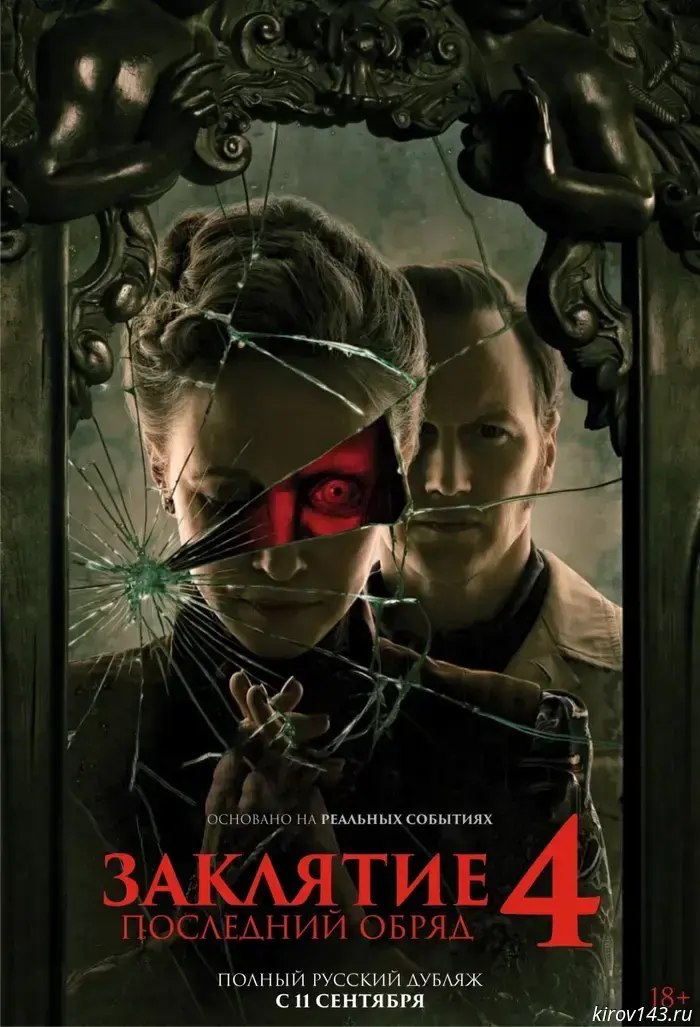 "The Conjuring 4: The Last Rite" — the worst finale of the franchise
In this review I'm writing as a fan of the Warren family's cinematic history, and you can throw rotten tomatoes at me shouting that The Conjuring series (18+) is low-quality, primitive trash made as a cash-grab for the box office. But I will argue against that.
 Astrological forecast for the week: a time of order and new opportunities.
The horoscope for the week of September 29 to October 5 indicates the beginning of a period favorable for establishing useful connections, intellectual work, and putting documents and financial matters in order.
 The native land is out of reach: why Karelians prefer Turkey to Karelia
Karelia is rapidly becoming a tourist hub, but local residents are increasingly unable to afford a holiday in their home region. Visiting the main attractions costs thousands of rubles, and accommodation prices are breaking records.
 In Murashi, the head of the territorial administration turned out to be a woman with no higher education.
In the Murashinsky District, the prosecutor's office uncovered an illegal appointment of a municipal official to a managerial position.
 Only 13% of families in Kirov can afford to buy an apartment with a mortgage.
Kirov Oblast ranked 59th out of 85 in the nationwide ranking for mortgage affordability.
 Monetary conservatism: why the Central Bank maintains a tight policy despite business demands
The cut of the key rate to 17% on September 12 confirmed the Bank of Russia’s commitment to a conservative course, sparking a discussion about the balance between inflationary risks and the needs of the real sector. The regulator’s decision reflects a comprehensive approach to managing macroeconomic stability amid persistent uncertainty.
Russian companies have developed standards for a trusted repository of open-source software.
At the Kazan Digital Week 2025 forum, leading Russian technology companies, together with the academic community, formulated basic principles for creating a trusted repository of open-source software. The initiative is aimed at addressing security issues in the use of open source in the public sector and organizations operating critical information infrastructure.