

Autumn self-deception: why we endure until spring what can be cured in one day
In autumn, people subtly rearrange their lifestyle: they move less, sleep worse, engage in self-medication more often, and postpone preventive visits to the doctor until spring. During this period, the number of complaints about constant fatigue, prolonged colds, and morning heaviness increases. However, as specialists note, most of these conditions are not due to climatic changes, but rather manageable factors — routine, physical activity, and attitude towards one's health.
Seasonal risks are associated with habits that manifest en masse specifically in September and October. One of the most underestimated is going to work with a cold. Working with a temperature above 38°C hinders the body’s ability to cope with the infection and increases the likelihood of complications: from sinusitis and bronchitis to inflammation of the heart muscle. In this situation, antipyretics are not a pass to the office, but a signal that the body needs rest.
The second most common mistake is taking antibiotics at the first signs of ARVI. Since respiratory infections are caused by viruses, antibacterial drugs do not work on them. The result is disrupted microbiota, side effects, and a contribution to bacterial resistance — a problem that can cause medication to fail at a truly critical moment.
A similar situation exists with vitamins. High doses of ascorbic acid or fat-soluble vitamins without prior diagnosis do not create a "reserve" for winter. Excess vitamin C is excreted by the kidneys and increases the risk of oxalate stone formation, while vitamin D overdose, as doctors note, is becoming more common. The correct logic is: first tests, then supplements.
Behavioral patterns are equally important. Many compensate for the short daylight hours with extra cups of coffee in the afternoon. This disrupts nighttime sleep, and chronic sleep deprivation reduces resistance to infections — the cycle closes. At the same time, walks are shortened: routes are reduced to "from the entrance to the car," and indoor air becomes overly dry due to radiators, weakening the nasal mucosa — the first line of defense against viruses.
There are also less obvious seasonal risks. For example, the belief that ticks are only active in spring. Ixodes ticks have a second peak of activity in autumn: September and October often see a number of cases after bites that rival May. Therefore, country houses, mushrooms, or walks in the park still require attention, and any removed tick is recommended to be sent for laboratory testing.
The most dangerous habit, according to doctors, appears to be the most harmless. In autumn, blood pressure objectively rises, and patients with chronic diseases often unilaterally cancel prescribed therapy during this period and postpone monitoring until spring. Missed examinations and adjusted treatments can lead to serious consequences.
At the same time, the most common complaint in autumn is "I just have no strength." Here, doctors point out that behind this phrase often lie not melancholy or overwork, but iron deficiency, vitamin D deficiency, or thyroid dysfunction. These conditions have almost no other symptoms and are only visible in tests.
To distinguish seasonal fatigue from clinical deficiency, a comprehensive examination of hundreds of indicators is not required. A basic check is sufficient: a complete blood count with a leukocyte formula, vitamin D (25-OH), ferritin to assess iron reserves, and TSH for thyroid function. As explained by the laboratory service INVITRO, these tests are enough to understand whether there is an objective reason for the autumn decline in strength, or if it is indeed a temporary condition that can be corrected with routine and rest.
Другие Новости Кирова (НЗК)
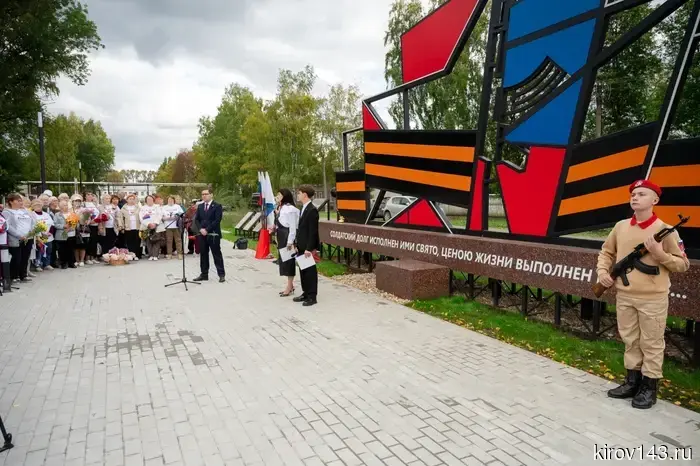 Boris Vesnin: "Thanks to the teamwork in Vakhryushi, the Alley of Glory has been improved."
In the village of Vakhryushi in the Slobodsky district, a solemn opening of the Alley of Glory took place. The new space serves as both a place of remembrance for fellow countrymen who defended the Motherland and a comfortable, well-equipped area for residents.
Boris Vesnin: "Thanks to the teamwork in Vakhryushi, the Alley of Glory has been improved."
In the village of Vakhryushi in the Slobodsky district, a solemn opening of the Alley of Glory took place. The new space serves as both a place of remembrance for fellow countrymen who defended the Motherland and a comfortable, well-equipped area for residents.
 В Кирове социальные учреждения оказали помощь детям в подготовке к школе.
Накануне 1 сентября в Кировской области состоялась акция «Корзина доброты», о которой сообщили в областном правительстве. Организаторами акции выступили социальные учреждения региона. В ее рамках оказана помощь семьям с детьми-школьниками в подготовке к учебному году. Для этого в магазинах канцелярских товаров были установлены «корзины».
В Кирове социальные учреждения оказали помощь детям в подготовке к школе.
Накануне 1 сентября в Кировской области состоялась акция «Корзина доброты», о которой сообщили в областном правительстве. Организаторами акции выступили социальные учреждения региона. В ее рамках оказана помощь семьям с детьми-школьниками в подготовке к учебному году. Для этого в магазинах канцелярских товаров были установлены «корзины».
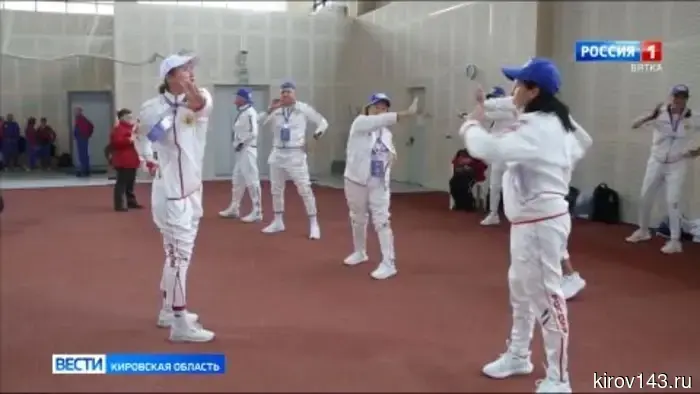 В библиотеке имени Грина состоялась выставка произведений мастера деревянной скульптуры Александра Чернядьева.
В библиотеке имени Грина стартовала персональная выставка мастера деревянной скульптуры Александра Чернядьева под названием "Магия дерева". В экспозиции можно увидеть свыше ста работ. Екатерина Кудрина расскажет больше. - Здесь можно увидеть боевые искусства. Превратить деревянный брус в произведение.
В библиотеке имени Грина состоялась выставка произведений мастера деревянной скульптуры Александра Чернядьева.
В библиотеке имени Грина стартовала персональная выставка мастера деревянной скульптуры Александра Чернядьева под названием "Магия дерева". В экспозиции можно увидеть свыше ста работ. Екатерина Кудрина расскажет больше. - Здесь можно увидеть боевые искусства. Превратить деревянный брус в произведение.
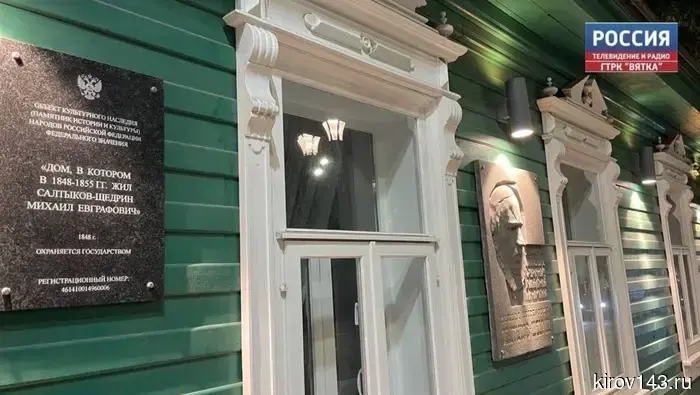 Кировчан приглашают ознакомиться с «резонансными делами» чиновника Салтыкова.
На территории усадьбы дома-музея М.Е. Салтыкова-Щедрина была открыта планшетная выставка «По пути М.Е. Салтыкова: служба в уездах Вятской губернии», сообщили в региональном правительстве. Выставка посвящена уездным городам, которые М.Е. Салтыков посещал по служебным делам и которые впоследствии
Кировчан приглашают ознакомиться с «резонансными делами» чиновника Салтыкова.
На территории усадьбы дома-музея М.Е. Салтыкова-Щедрина была открыта планшетная выставка «По пути М.Е. Салтыкова: служба в уездах Вятской губернии», сообщили в региональном правительстве. Выставка посвящена уездным городам, которые М.Е. Салтыков посещал по служебным делам и которые впоследствии
 "Deadly" footage and fines for parents: Kirov schoolchildren got into "train surfing"
Dangerous games on the railway nearly turned into a tragedy for four teenagers from Kirov. Transport police officers detained a group of schoolchildren while crossing the tracks in an unauthorized area, and during the investigation, it became clear that the young thrill-seekers were already practicing "train surfing," filming their "tricks" on their phones. Now, the family of the offenders will be dealt with by the juvenile affairs inspectors and the municipal commission, and the parents face administrative protocols.
"Deadly" footage and fines for parents: Kirov schoolchildren got into "train surfing"
Dangerous games on the railway nearly turned into a tragedy for four teenagers from Kirov. Transport police officers detained a group of schoolchildren while crossing the tracks in an unauthorized area, and during the investigation, it became clear that the young thrill-seekers were already practicing "train surfing," filming their "tricks" on their phones. Now, the family of the offenders will be dealt with by the juvenile affairs inspectors and the municipal commission, and the parents face administrative protocols.
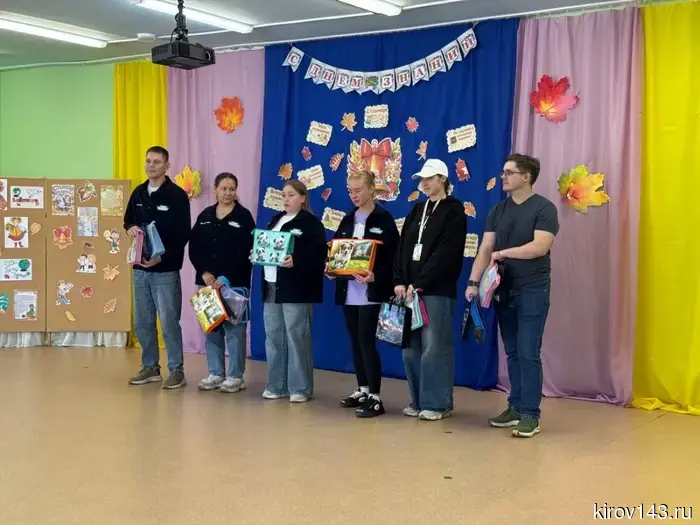 "Uralchem" congratulated schoolchildren of Kirovo-Chepetsk on Knowledge Day
On the eve of Knowledge Day, the branch "KCHHK" of JSC "OHC "Uralchem" congratulated schoolchildren on the holiday.
"Uralchem" congratulated schoolchildren of Kirovo-Chepetsk on Knowledge Day
On the eve of Knowledge Day, the branch "KCHHK" of JSC "OHC "Uralchem" congratulated schoolchildren on the holiday.
Autumn self-deception: why we endure until spring what can be cured in one day
With the onset of cold weather, patients increasingly complain of fatigue, difficult climbs, and prolonged colds, but instead of visiting a doctor, they prefer the strategy of "it will pass on its own." Medical professionals have analyzed seasonal habits that seem harmless but actually increase the risk of complications, and explained why the familiar phrase "I have no strength" often indicates objective disorders rather than just the weather.