

Fraudsters have started using videos in attacks on "Gosuslugi".
Cybersecurity specialists have recorded a change in the behavior of phone scammers when dealing with Russian users. Instead of traditional attempts to extract verification codes from SMS messages, they are now using links to third-party resources.
These are phishing sites that visually replicate the interface of the government services portal. After clicking the link, a countdown timer starts on the screen, followed by a video that simulates unauthorized access to the personal account.
As explained by analysts from F6, a company specializing in the development of cybersecurity protection tools, this video sequentially displays messages about the extraction of electronic signatures, 2-NDFL certificates, and passport data. In the end, the image freezes, creating the impression for the user that their account has already been compromised.
According to experts, the main goal of the scammers is to intimidate the victim. By convincing a person that unauthorized individuals have gained access to their documents, the criminals use this state for further manipulation and force the victim to take actions that lead to a loss of control over their account or money, reports the publication "RIA Novosti."
The company recommends that citizens avoid clicking on links from unknown senders. As a preventive measure, specialists advise configuring messengers to block calls, messages, and chat invitations from users not saved in the address book. This will reduce the risk of receiving links from scammers and help avoid falling for this scheme. A resident of Belaya Kholunitsa transferred 48 thousand for a fish finder but did not receive the package. A resident of Kirov fell for the scammers' tricks twice and lost 1.2 million rubles. The Ministry of Internal Affairs named a phrase after which one should immediately hang up.
Другие Новости Кирова (НЗК)
 В Кирове состоялся показ фильмов из цикла «Истории заброшенных деревень».
Короткометражка "Селяне" повествует о событиях, происходивших в 1941 году в Калининской области. На презентации фильма авторы поделились историей последнего боя кировчанина Семена Домрачева, который отправился туда с целью освободить мирных жителей, попавших под немецкую оккупацию.
 Russian drones will grow potatoes.
Russian scientists from the St. Petersburg Federal Research Center of the Russian Academy of Sciences have developed a method for processing potato fields using drones.
 Amateur meteorologists promise a thunderstorm.
The weather in Kirov can deteriorate significantly.
 Amateur meteorologists promise a thunderstorm.
The weather in Kirov can deteriorate significantly.
 The Kirov management companies that are better and worse prepared for winter have been named.
Management companies have less than a month to address the issues and complete the preparation of apartment buildings for the cold weather.
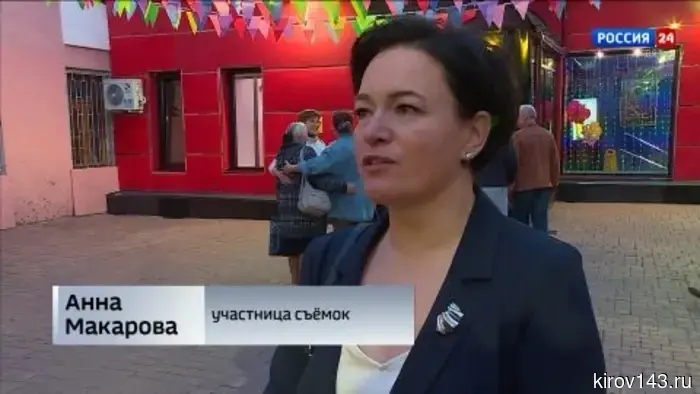 В Кирове состоялся показ фильмов из цикла «Истории забытых деревень».
Короткометражный фильм "Селяне" повествует о событиях, имевших место в 1941 году в Калининской области. Во время презентации фильма его создатели поделились историей последнего боя кировчанина Семена Домрачева, который отправился в бой, чтобы освободить гражданских лиц, оказавшихся под немецкой оккупацией.
Fraudsters have started using videos in attacks on "Gosuslugi".
Criminals have switched to a new tactic: instead of requesting codes from SMS, they direct users to fake websites where a video plays, simulating the theft of personal data. Experts explained how the scheme works and what to do to avoid falling victim to it.