
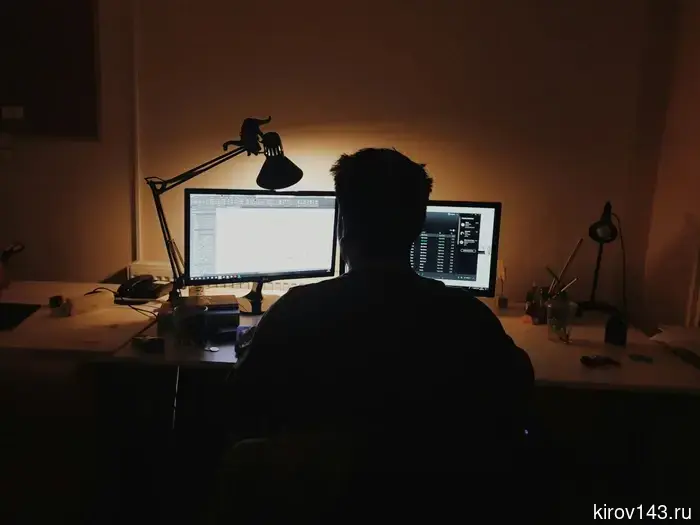
The Deceit of the Sofa: Why 30 Minutes of Sitting is More Dangerous than 8 Hours of Office Work
An international team of epidemiologists from the University of Glasgow, Harvard, and other research centers has completed an analysis of data from nearly 100,000 adult Britons. Participants in the experiment wore accelerometers on their wrists for a week, allowing researchers to divide sedentary behavior into two types for the first time: "prolonged" (continuous segments of half an hour or more) and "intermittent" (short episodes interspersed with activity). The results, published in the journal PLoS Medicine, showed that these two types have different effects on cancer mortality, the publication reports.
It was found that each additional hour of prolonged sitting per day is associated with a 9% increase in the risk of death from cancer, even after adjusting for diet, smoking, education level, and income. In contrast, "intermittent" sitting was associated with a 19% reduction in this risk for each hour. In other words, getting up and moving around is more beneficial than simply sitting less.
The connection was most pronounced for breast cancer, lung cancer, colorectal cancer, as well as malignant tumors of the esophagus and liver. Researchers did not find a statistically significant interaction between a sedentary lifestyle and obesity—this means that the harm from prolonged sitting is not solely explained by excess weight and may act through other mechanisms. As possible biological reasons, the authors of the study, citing previous experimental research, mention disruptions in glucose and insulin regulation, but emphasize that these mechanisms were not studied in their observational research and require confirmation.
The most encouraging part of the work is the calculations showing that even a small replacement of sitting time brings noticeable changes: if 1 hour of continuous sitting per day is replaced with light activity (walking or household movements), the risk of death from cancer decreases by 12%; replacing 30 minutes with moderate activity results in an 8% reduction; the most pronounced effect occurs when 5 minutes of sitting is replaced with intense activity (for example, briskly walking up stairs), which correlates with a significant reduction in the risk of several types of cancer.
Scientists note that the results are associative and do not prove causation. Furthermore, they remind us of the limitations: accelerometers recorded behavior only for seven days, which may not reflect lifelong habits, and participants in the UK Biobank traditionally have a healthier lifestyle compared to the general population. Nevertheless, the conclusions align with previous randomized studies that showed improvements in metabolic indicators when long periods of inactivity were broken up.
From a practical standpoint, the risk reduction strategy does not look like a commitment to join a gym, but rather a simple rule: avoid continuous sitting for more than 30 minutes. According to the authors, interrupting prolonged sitting—even for a short walk or just standing—can become a realistic and accessible preventive measure for most people, including those for whom intense exercise is not feasible due to health conditions.
Другие Новости Кирова (НЗК)
 The Pobeda airplane reached its destination after making an emergency landing in Perm.
Today's flight of the airline "Pobeda," which made an emergency landing in Perm this morning due to technical indications, has successfully reached Kirov. The airline reported that after inspections, the aircraft safely arrived at Pobedilovo Airport.
The Pobeda airplane reached its destination after making an emergency landing in Perm.
Today's flight of the airline "Pobeda," which made an emergency landing in Perm this morning due to technical indications, has successfully reached Kirov. The airline reported that after inspections, the aircraft safely arrived at Pobedilovo Airport.
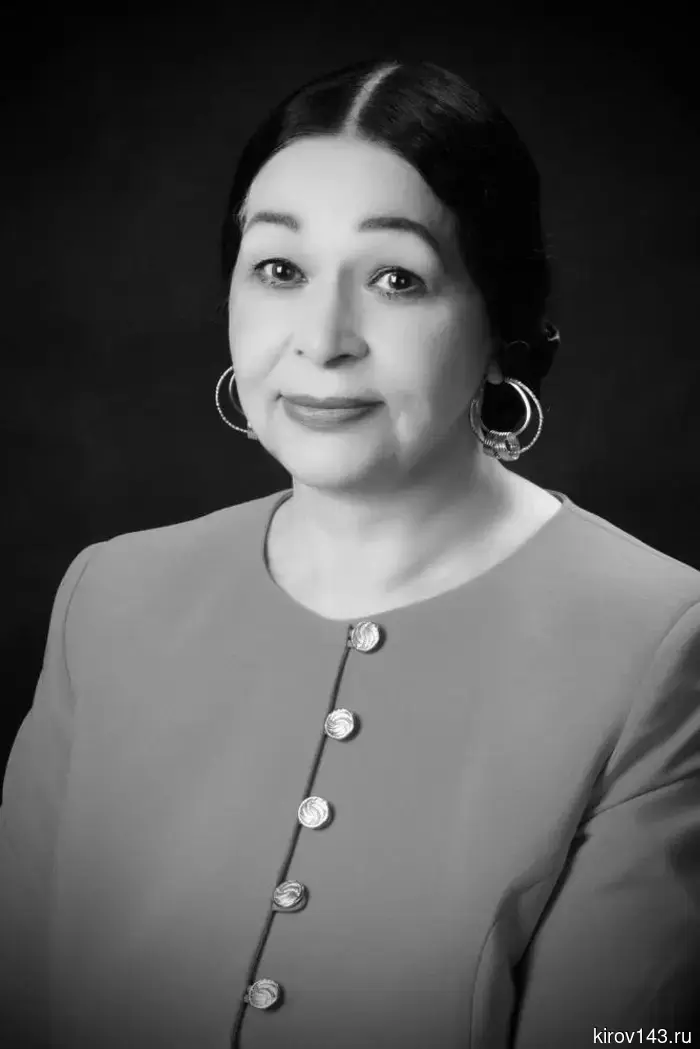 People's Artist of Russia Ekaterina Zhemchuzhnaya has passed away.
The "Romén" theater announced the death of Ekaterina Andreevna Zhemchuzhnaya. The actress, who did not know the limits of her role, left behind dozens of roles in film and theater, as well as a memory of her extraordinary voice and rare generosity of spirit. She was 83 years old.
People's Artist of Russia Ekaterina Zhemchuzhnaya has passed away.
The "Romén" theater announced the death of Ekaterina Andreevna Zhemchuzhnaya. The actress, who did not know the limits of her role, left behind dozens of roles in film and theater, as well as a memory of her extraordinary voice and rare generosity of spirit. She was 83 years old.
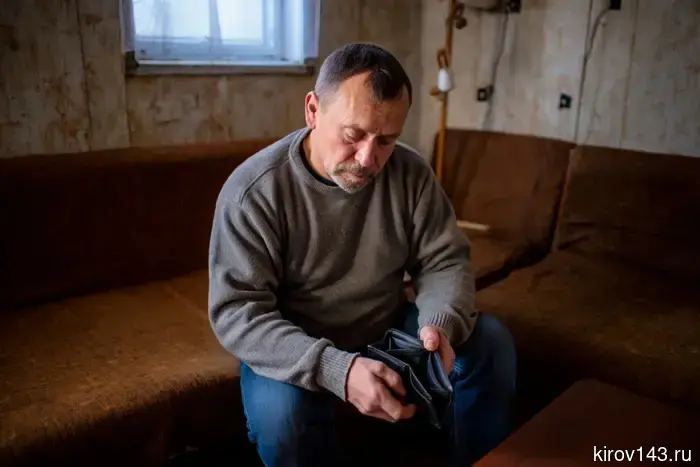 A Kirov resident "bought" a mirror for his car but ended up without money and the part.
Another case of remote fraud has been registered in the regional center. A man found a spare part on a classifieds website, fulfilled all the seller's conditions, but the package was never sent. Now the police are searching for the perpetrator.
A Kirov resident "bought" a mirror for his car but ended up without money and the part.
Another case of remote fraud has been registered in the regional center. A man found a spare part on a classifieds website, fulfilled all the seller's conditions, but the package was never sent. Now the police are searching for the perpetrator.
The Deceit of the Sofa: Why 30 Minutes of Sitting is More Dangerous than 8 Hours of Office Work
We are used to thinking that the main enemy of health is the total amount of time spent sitting. However, data from a large cohort study published in a medical journal overturns this notion. It turns out that continuous sitting for half an hour or more poses a standalone threat, while frequent breaks almost negate the risk, even if the total time of immobility remains high. Scientists have calculated how many minutes of activity are needed to offset the harm from prolonged sitting.