

A geomagnetic storm has entered the top three strongest storms of the year.
The geomagnetic situation on the planet has sharply transitioned from a phase of waiting to a phase of active storm. Solar mass ejections began to press on the Earth's field yesterday around two o'clock in the afternoon, and for almost a day, the magnetosphere remained tense, not yielding. However, the decisive scenario unfolded today around midnight: first, the solar wind accelerated in speed, followed by the interplanetary magnetic field suddenly changing its sign. The combination of these two factors was enough to trigger a G3 level storm. According to the Solar Astronomy Laboratory of the IKI RAS, the event is developing rapidly. At the moment of preparing the next report, specialists recorded an increase in indicators—the storm's value rose to G3.33, which automatically placed it in second place among all geomagnetic disturbances this year. The only storm surpassing today's event is the superstorm from January-February 19-21, which reached a level of G4.67; estimates suggest that the current event will not reach this record. However, today's geomagnetic storm is already comparable in strength to the March storm from the 21st (level G3), although it currently lags behind in duration. The intrigue remains: specialists suggest that the storm may strengthen a bit more and secure a silver position in terms of strength. However, the duration is influenced by the combination of ejections, not just their power. Scientists also note that the current sunspots, despite their colossal size, have not yet produced explosions commensurate with their visible power. Nevertheless, the storm is proceeding according to schedule, albeit with a one-day shift—and this is enough for the event to enter the top three most notable in 2026.
Другие Новости Кирова (НЗК)
 Taurus will solve global issues, while Cancer will compete for attention.
Astrologers revealed how the first weekend day of the week will go for all zodiac signs.
Taurus will solve global issues, while Cancer will compete for attention.
Astrologers revealed how the first weekend day of the week will go for all zodiac signs.
 In the Kirov region, the number of abortions has decreased over the year.
According to the Ministry of Health of the Russian Federation, the number of abortions in the region decreased in 2025. The rate has been declining for the sixth consecutive year.
In the Kirov region, the number of abortions has decreased over the year.
According to the Ministry of Health of the Russian Federation, the number of abortions in the region decreased in 2025. The rate has been declining for the sixth consecutive year.
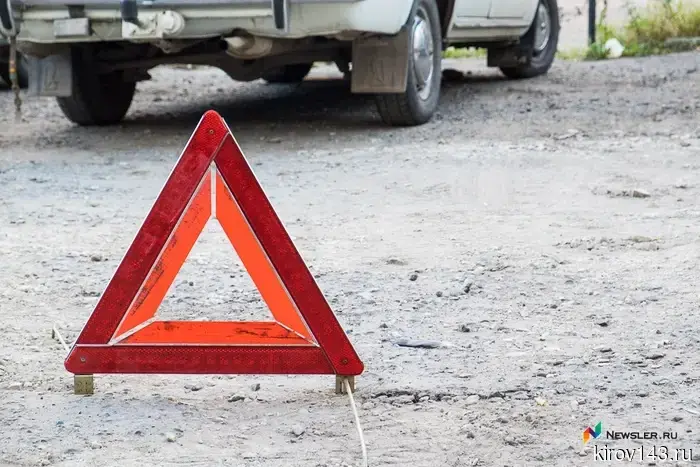 In a traffic accident near Kirovo-Chepetsk, a biker without a license was injured.
An evening incident on the highway towards Chorny Chizheg resulted in the hospitalization of a motorcyclist. Law enforcement officials found that the man did not have a driver's license and refused to undergo a sobriety test.
In a traffic accident near Kirovo-Chepetsk, a biker without a license was injured.
An evening incident on the highway towards Chorny Chizheg resulted in the hospitalization of a motorcyclist. Law enforcement officials found that the man did not have a driver's license and refused to undergo a sobriety test.
 In Kotelnich, they are looking for owners for a puppy found at dawn in a container.
A resident of Kotel'nich discovered a dog in a trash bin on Turgenev Street at five in the morning today. The man took the animal home, but immediately warned that he would not be able to keep it and is asking for help with finding a new home.
In Kotelnich, they are looking for owners for a puppy found at dawn in a container.
A resident of Kotel'nich discovered a dog in a trash bin on Turgenev Street at five in the morning today. The man took the animal home, but immediately warned that he would not be able to keep it and is asking for help with finding a new home.
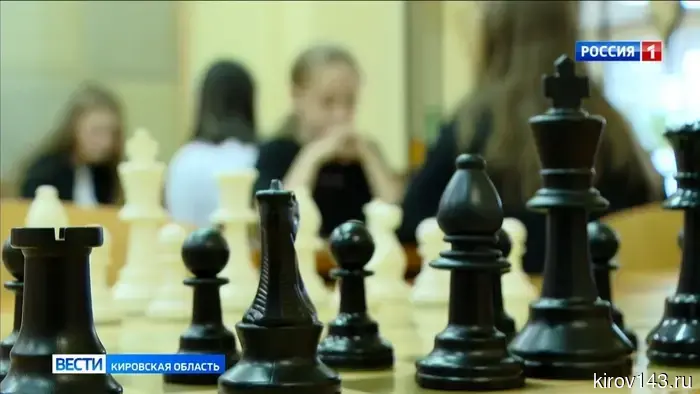 Молодые шахматисты из Кирова завоевали призовые места на Всероссийских соревнованиях.
Четыре шахматиста из Кировской области представляли свой регион на Всероссийских турнирах по быстрым шахматам «Кубок Волги-2026», проходивших в Костроме. Двое из них заняли награждаемые позиции. Воспитанники шахматного клуба «Вятская ладья» и спортивной школы олимпийского резерва «Юность» успешно выступили на турнире: КМС Игорь Шабардин завоевал золото среди юношей в...
Молодые шахматисты из Кирова завоевали призовые места на Всероссийских соревнованиях.
Четыре шахматиста из Кировской области представляли свой регион на Всероссийских турнирах по быстрым шахматам «Кубок Волги-2026», проходивших в Костроме. Двое из них заняли награждаемые позиции. Воспитанники шахматного клуба «Вятская ладья» и спортивной школы олимпийского резерва «Юность» успешно выступили на турнире: КМС Игорь Шабардин завоевал золото среди юношей в...
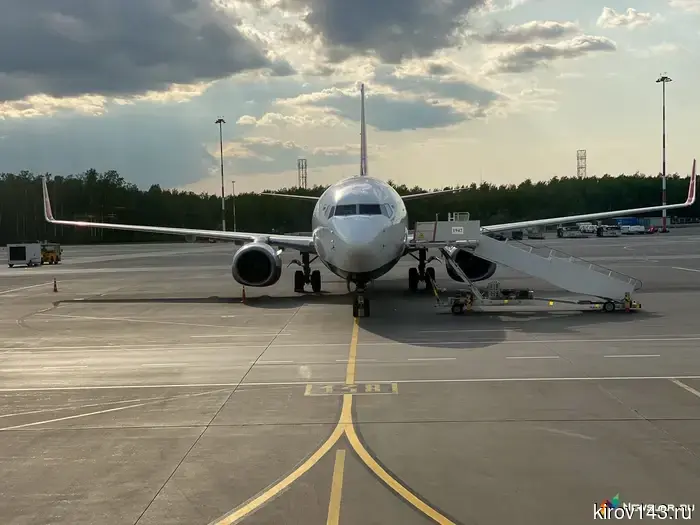 The Pobeda flight from Moscow to Kirov made an emergency landing in Perm.
Today, July 4, a liner of the airline "Pobeda" made an emergency landing at Perm International Airport while flying from Moscow to Kirov. The reason was a technical malfunction in one of the aircraft's systems. The landing was routine, however, the transport prosecutor's office has already taken control of the situation.
The Pobeda flight from Moscow to Kirov made an emergency landing in Perm.
Today, July 4, a liner of the airline "Pobeda" made an emergency landing at Perm International Airport while flying from Moscow to Kirov. The reason was a technical malfunction in one of the aircraft's systems. The landing was routine, however, the transport prosecutor's office has already taken control of the situation.
A geomagnetic storm has entered the top three strongest storms of the year.
The storm that was awaited for two days arrived with a one-day delay but came in with force. The Earth's magnetosphere lost the race to the solar wind — the turning point occurred deep in the night when two key parameters of space weather changed simultaneously. The event instantly soared to the second spot in the annual intensity ranking.