

Is it true that stress ages the face?
It turns out, yes. According to Ulyana Makhova, assistant professor of polyclinic therapy at the Pirogov University Institute of Clinical Medicine, clinical psychologist, sexologist, and therapist, chronic stress can indeed accelerate the aging process — and the skin often becomes the first organ to show this. "Stress is not just an emotion. It is a systemic restructuring of the body's functioning. Under chronic tension, the body shifts from recovery mode to survival mode," explains the specialist. In simpler terms, the body starts to spend fewer resources on "repair" and more on adapting to the load. And the skin quickly reacts to such changes.
How does stress affect the face? The most noticeable effect is related to the deterioration of skin condition.
1. The skin loses elasticity. During chronic stress, the body produces an increased amount of cortisol — the stress hormone. In the long term, this accelerates the breakdown of collagen and elastin — proteins responsible for the density and elasticity of the skin. As a result, the skin loses tone faster, and wrinkles and folds become more noticeable.
2. Dryness and irritation appear. Stress weakens the skin's protective barrier. It retains moisture less effectively, becomes more sensitive, and starts to react more strongly even to regular care. The result is dryness, tightness, flaking, and redness.
3. The face looks tired. During stress, blood vessels constrict, and tissues receive less oxygen and nutrients. This causes the complexion to become dull, puffiness to appear, dark circles under the eyes, and a feeling of constant fatigue. Even after a full night's sleep, a person may look exhausted.
4. Inflammations worsen. Acne, rosacea, eczema, psoriasis — many skin problems often intensify during stressful periods. The reason lies in changes in immune responses and the intensification of inflammatory processes in the body.
5. The skin recovers more slowly. Against the backdrop of chronic tension, the body struggles more with tissue recovery. Scratches, irritations, post-acne marks, and other damage heal noticeably longer.
How to understand that the changes are indeed related to stress? It is difficult to distinctly differentiate stress-related changes from age-related ones, but there are characteristic signs. It is more likely to be stress if:
the changes appeared suddenly;
the skin has become more sensitive;
sleep has worsened;
irritability and chronic fatigue have appeared;
skin diseases have worsened.
Age-related changes usually develop slowly and gradually over many years.
What to do? The good news is that most stress-related changes are reversible. If the level of chronic tension is reduced, the skin often begins to recover. The doctor recommends paying attention to basic things.
Normalize sleep. It is at night that the body actively recovers.
Move more. Even daily walks of 20–30 minutes improve blood circulation and help reduce stress levels.
Watch your diet. A balanced diet helps the body cope better with stress.
Don’t forget about skincare. Gentle cleansing, moisturizing, and SPF protection are essential, especially during stressful periods.
Limit harmful habits. Smoking, alcohol, and chronic lack of sleep amplify the negative impact of stress on the skin.
The main conclusion is simple: stress does not "draw" wrinkles overnight, but with chronic exposure, it indeed accelerates visible aging. The skin is not just an outer layer but a mirror of internal processes. And caring for mental health is simultaneously caring for both health and appearance.
Другие Новости Кирова (НЗК)
 In the Kirov region, they are searching for a 44-year-old man.
In the Kirov region, 44-year-old Renad Khurmatov has gone missing. His disappearance was reported by volunteers from the search team "LizaAlert."
In the Kirov region, they are searching for a 44-year-old man.
In the Kirov region, 44-year-old Renad Khurmatov has gone missing. His disappearance was reported by volunteers from the search team "LizaAlert."
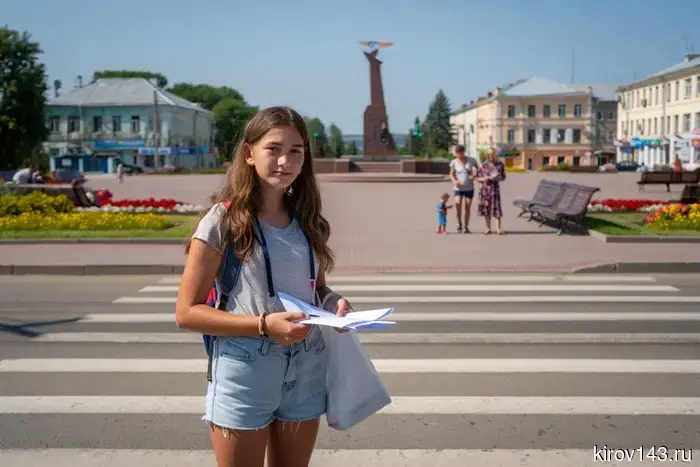 Kirov residents shared who they do not want to see their children become.
Residents of Kirov named the professions they consider the most undesirable for their children.
Kirov residents shared who they do not want to see their children become.
Residents of Kirov named the professions they consider the most undesirable for their children.
 Business horoscope: Cancers will keep an eye on their colleagues, while Leos will receive good news.
Astrologers revealed how the new work week will begin for each zodiac sign.
Business horoscope: Cancers will keep an eye on their colleagues, while Leos will receive good news.
Astrologers revealed how the new work week will begin for each zodiac sign.
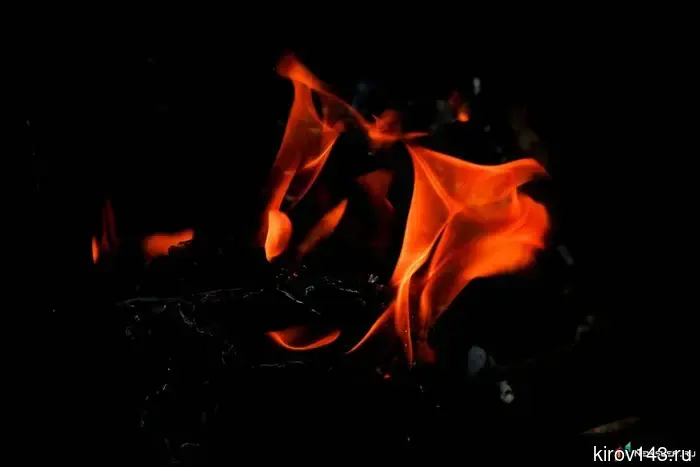 In Kirov, a company was on fire, and in Vyatskiye Polyany, a minor sustained burns.
The Ministry of Emergency Situations reported on yesterday's fires.
In Kirov, a company was on fire, and in Vyatskiye Polyany, a minor sustained burns.
The Ministry of Emergency Situations reported on yesterday's fires.
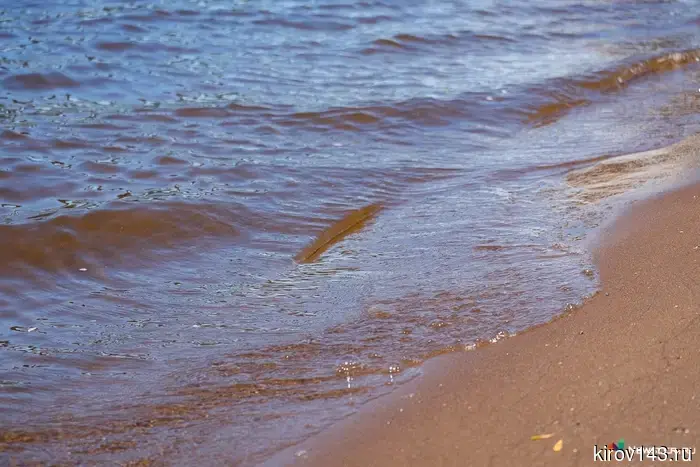 The water level has decreased in Chepets and Vyatka.
The authorities reported on the improvement of the situation.
The water level has decreased in Chepets and Vyatka.
The authorities reported on the improvement of the situation.
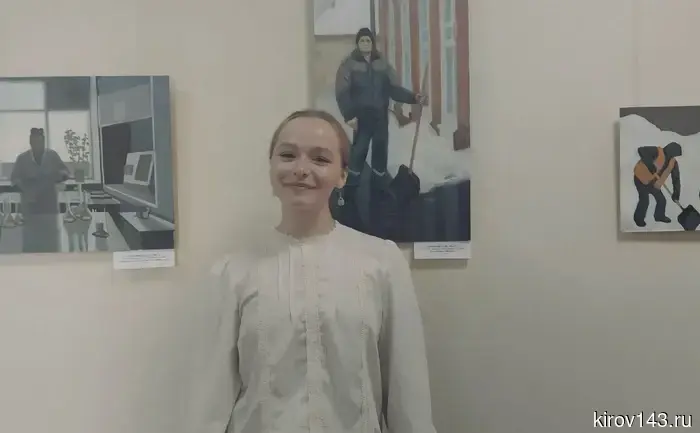 На выставке дипломных работ студентов художественного училища был представлен эскиз картины, изображающей разнорабочего, высотой два метра.
25 июня в Министерстве культуры была открыта выставка дипломных работ студентов Вятского художественного училища им. А.А. Рылова. В экспозиции демонстрируются так называемые «малые дипломы», представляющие собой лишь этюды дипломных работ, оригиналы которых можно увидеть в здании художественного училища.
На выставке дипломных работ студентов художественного училища был представлен эскиз картины, изображающей разнорабочего, высотой два метра.
25 июня в Министерстве культуры была открыта выставка дипломных работ студентов Вятского художественного училища им. А.А. Рылова. В экспозиции демонстрируются так называемые «малые дипломы», представляющие собой лишь этюды дипломных работ, оригиналы которых можно увидеть в здании художественного училища.
Is it true that stress ages the face?
The phrase "all diseases come from nerves" has long become a piece of folk wisdom. But can stress really affect appearance — for example, accelerate skin aging?