
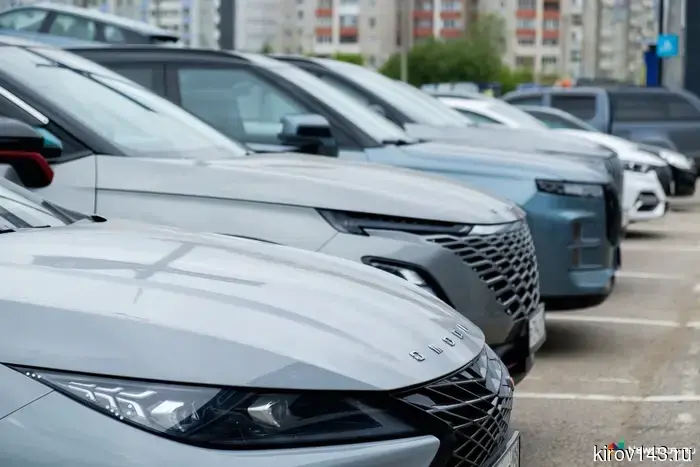
Owners of foreign cars are switching to buying damaged vehicles for parts.
Prices for auto parts in Russia continue to rise, despite the stabilization of the ruble. According to open sources, over the past year, basic components—brake pads, oil filters, shock absorbers, and suspension elements—have increased in price by 20–40%. Experts predict a further increase of 15–30% by autumn 2026. Among the reasons cited are the rise in freight rates on alternative routes due to the conflict in the Middle East, risks in the Strait of Hormuz, as well as an increase in VAT to 22% starting January 1, 2026, which has added several percentage points to the price of parts and auto service services.
Parallel imports, through which 40–60% of original parts for foreign cars enter Russia, are experiencing a crisis. In this situation, car owners are finding an alternative way to save: buying a whole donor car at online auctions instead of individual parts. A car is purchased that insurance companies deem economically unfeasible for restoration (the "Total" segment), but most of its components are still usable. The buyer dismantles the car and takes the necessary parts—engine, transmission, optics, electronics, body elements. As market participants note, replacing the engine or transmission on a Kia K5 or BMW 3 Series can cost 200–300 thousand rubles just for the parts, while for a similar amount, a damaged car of the same model can be purchased.
Specialists from the online auction MIGTORG analyzed the demand structure for cars with total damage for the first half of 2026. The sample included data on more than 1,800 cars sold at auction. According to the statistics, the leaders in "donorship" are Chinese cars—34.7% of the total with an average price of 913 thousand rubles. In second place are German cars—27.8% (average price 711 thousand rubles), and in third place are Russian cars—19.2% (average price 221 thousand rubles). South Korean cars accounted for 8.9% with an average price of 400 thousand rubles. At the same time, Chinese cars stand out with the largest number of intact body elements.
The platform's press service added that interest in such lots is confirmed by auction statistics: in the last five minutes of the auction, the competition for donor cars is 25% higher in terms of bids compared to regular lots. Analysts estimate that interest in this repair strategy will only grow.
Другие Новости Кирова (НЗК)
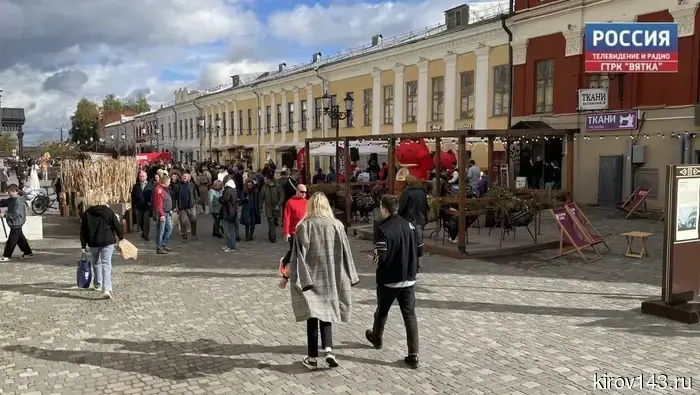 В День молодёжи жителям Кирова предлагают посетить «Волонтёрский пикник».
В рамках празднования Дня молодёжи 27 июня в Кирове на улице Спасской пройдет ярмарка добрых дел «Волонтёрский пикник». Как сообщили в правительстве области, данное мероприятие даст возможность ознакомиться с различными направлениями волонтёрства. На площадке будет функционировать более 13 интерактивных шатров от
В День молодёжи жителям Кирова предлагают посетить «Волонтёрский пикник».
В рамках празднования Дня молодёжи 27 июня в Кирове на улице Спасской пройдет ярмарка добрых дел «Волонтёрский пикник». Как сообщили в правительстве области, данное мероприятие даст возможность ознакомиться с различными направлениями волонтёрства. На площадке будет функционировать более 13 интерактивных шатров от
 Кировчанам расскажут о истории Октябрьского проспекта.
Горожан Киров приглашают 25 июня 2026 года в 18:00 на краеведческую прогулку «Октябрьский проспект. Советская эпоха», сообщили в Управлении культуры администрации Кирова. Участникам будет представлено рассказ о истории формирования этой улицы на карте города и особенностях ее современного архитектурного облика.
Кировчанам расскажут о истории Октябрьского проспекта.
Горожан Киров приглашают 25 июня 2026 года в 18:00 на краеведческую прогулку «Октябрьский проспект. Советская эпоха», сообщили в Управлении культуры администрации Кирова. Участникам будет представлено рассказ о истории формирования этой улицы на карте города и особенностях ее современного архитектурного облика.
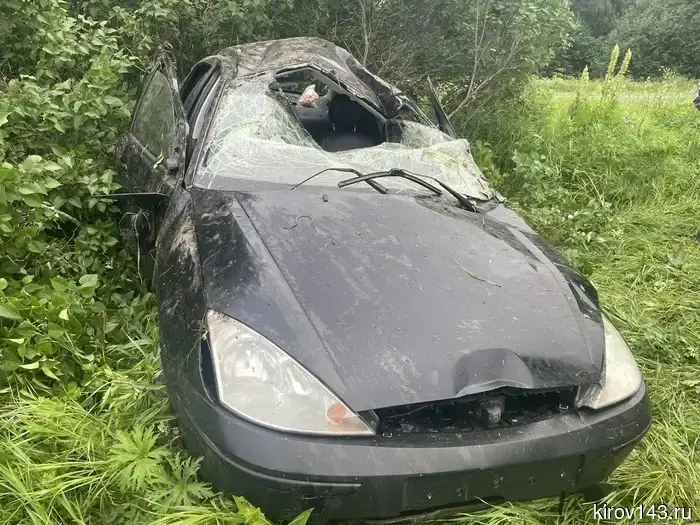 В Уржумском районе авария с пострадавшими произошла из-за неудачного маневра женщины без водительских прав.
В понедельник, 22 июня, в 4:40 в Уржумском районе на 178 км автодороги «Киров – Малмыж – Вятские Поляны» произошло overturning автомобиля. Согласно предварительным данным сотрудников ГИБДД по Кировской области, 47-летняя женщина, управлявшая автомобилем «Форд Фокус» без прав, съехала с дороги с
В Уржумском районе авария с пострадавшими произошла из-за неудачного маневра женщины без водительских прав.
В понедельник, 22 июня, в 4:40 в Уржумском районе на 178 км автодороги «Киров – Малмыж – Вятские Поляны» произошло overturning автомобиля. Согласно предварительным данным сотрудников ГИБДД по Кировской области, 47-летняя женщина, управлявшая автомобилем «Форд Фокус» без прав, съехала с дороги с
.jpg) Elections-2026: digital breakthrough or old rules in new packaging? (Part I)
How the electoral system has changed over five years and what those who build it think about it.
Elections-2026: digital breakthrough or old rules in new packaging? (Part I)
How the electoral system has changed over five years and what those who build it think about it.
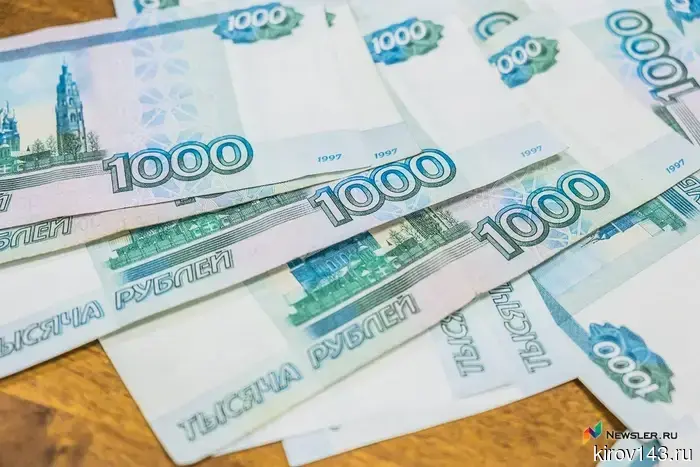 The annual inflation in the Kirov region has decreased to 6%.
In a month, prices increased by 0.12%.
The annual inflation in the Kirov region has decreased to 6%.
In a month, prices increased by 0.12%.
 Кировчане отдали дань памяти героям Великой Отечественной войны.
Накануне вся страна отмечала начало Великой Отечественной войны. В разных регионах состоялись торжественные митинги, цветочные церемонии, памятные мероприятия и, безусловно, минута молчания в память о 27 миллионах жертвах. Алина Смирнова поделится подробностями. АЛИНА СМИРНОВА, КОРРЕСПОНДЕНТ: «22 июня — это дата,
Кировчане отдали дань памяти героям Великой Отечественной войны.
Накануне вся страна отмечала начало Великой Отечественной войны. В разных регионах состоялись торжественные митинги, цветочные церемонии, памятные мероприятия и, безусловно, минута молчания в память о 27 миллионах жертвах. Алина Смирнова поделится подробностями. АЛИНА СМИРНОВА, КОРРЕСПОНДЕНТ: «22 июня — это дата,
Owners of foreign cars are switching to buying damaged vehicles for parts.
The rise in prices for spare parts by 20-40% over the year and issues with parallel imports are changing the repair strategy. Instead of individual parts, drivers are increasingly purchasing whole cars with total damage at auctions, using them as sources for components.