
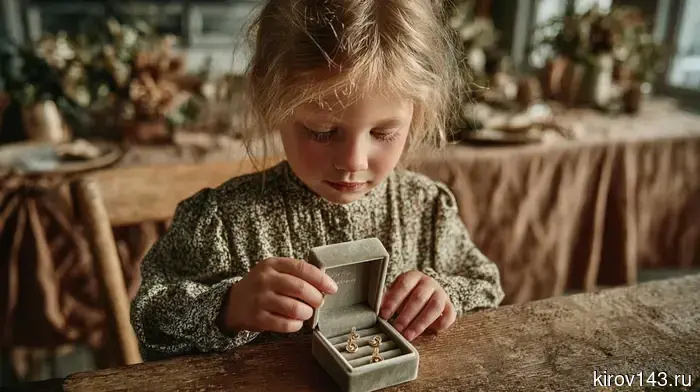
3 mistakes when choosing gold for a child that impact the wallet and health
When adults come to a jewelry store to buy a gift for a child, they most often look at the price tag and the appearance. A beautiful earring with a large stone or a massive chain seems like the perfect option. But just a week later, it turns out: the jewelry rubs against the earlobe, gets caught on clothing, or simply gets lost because it dangles on the wrist. Doctors and industry experts are sounding the alarm — parents systematically repeat the same mistakes, and they pay for them twice: both in money and in visits to the dermatologist.
Mistake one: saving on metal quality.
The desire to save pushes parents to buy jewelry made from low-quality alloys or gold-plated costume jewelry. This is the most dangerous point. Children's skin is much thinner than that of adults; it absorbs substances more actively upon contact. Nickel, copper, or zinc in the composition of cheap alloys begin to oxidize over time due to sweat and moisture. The result is allergic contact dermatitis, redness, itching, and in advanced cases, weeping crusts. Treatment costs more than the price difference between costume jewelry and quality 585 gold or medical silver. These metals are inert; they do not react with skin secretions and do not cause irritation even with daily wear.
Mistake two: buying "for growth."
The argument "the child is growing fast, let's get a bigger size" is the most insidious. A bracelet that dangles loosely on the wrist is not just uncomfortable. It gets caught on desks, on clothing when undressing, and in kindergarten or school, it easily slips off and gets lost forever. The same goes for earrings: a pendant that is too long or a large clasp can injure the earlobe if the child suddenly turns their head. The situation with rings is even worse — fingers change faster than it seems, and after six months, the jewelry either starts to pinch or falls off when washing hands. Losing a ring is a financial loss, while a pinched ring is already a medical problem that can disrupt blood circulation.
Mistake three: complex design instead of classics.
The most common miscalculation is choosing jewelry with stones, sharp edges, or rope chains. This looks beautiful in the display case but is absolutely impractical in the life of an active child. Experts recommend postponing chains for preschoolers until school: they get tangled in hair, catch on toys, and swings. Bracelets with protruding inserts scratch the skin during active play.
As explained by Elena Rakutina, the product director of the jewelry brand SOKOLOV, simple shapes and smooth surfaces work best in children's jewelry. This is not only more comfortable but also remains fashionable longer — a child will not stop wearing earrings after a month because they have "gone out of trend."
Psychologists add: it is not worth buying several sets for a child at once. One or two pieces are enough for them to learn to take care of them themselves. This fosters a responsible attitude towards things and an understanding of the value of a gift. Most importantly, such an accessory, chosen correctly and with love, will remain in the family for many years, becoming not just metal, but a true relic with a story.
Другие Новости Кирова (НЗК)
 В Кирове мужчины, который бросил петарду в мусорное ведро, ожидает привлечение к ответственности.
15 июня в окрестностях Театральной площади и улицы Всесвятской в Кирове раздался громкий звук хлопка. По информации регионального Управления МВД, на место происшествия была отправлена следственно-оперативная группа для проведения проверки. Установлено, что мужчина бросил в урну предмет, предположительно, пиротехнический. Позже
В Кирове мужчины, который бросил петарду в мусорное ведро, ожидает привлечение к ответственности.
15 июня в окрестностях Театральной площади и улицы Всесвятской в Кирове раздался громкий звук хлопка. По информации регионального Управления МВД, на место происшествия была отправлена следственно-оперативная группа для проведения проверки. Установлено, что мужчина бросил в урну предмет, предположительно, пиротехнический. Позже
 The Federal Antimonopoly Service denied rumors about an increase in utility tariffs starting from July 1.
The Federal Antimonopoly Service called the reports about additional indexing of utility tariffs from July 1 a fake. The annual increase, as planned, will take place from October 1 and will not exceed the limits set by the government.
The Federal Antimonopoly Service denied rumors about an increase in utility tariffs starting from July 1.
The Federal Antimonopoly Service called the reports about additional indexing of utility tariffs from July 1 a fake. The annual increase, as planned, will take place from October 1 and will not exceed the limits set by the government.
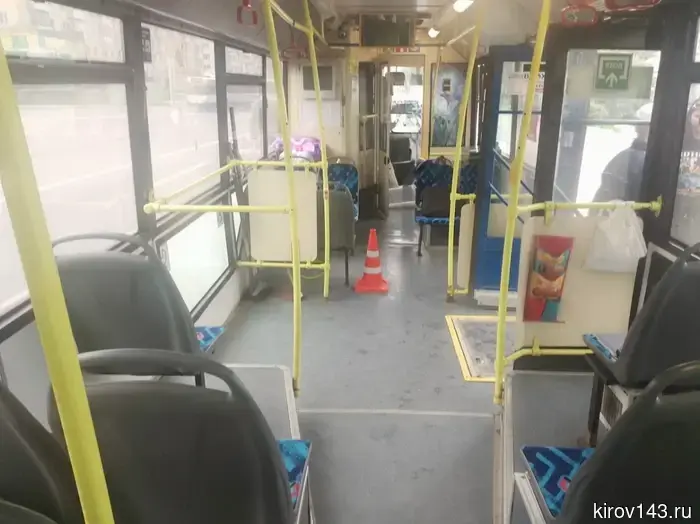 In Kirov, a passenger of the trolleybus was injured on Krasina.
An elderly woman fell and sustained injuries.
In Kirov, a passenger of the trolleybus was injured on Krasina.
An elderly woman fell and sustained injuries.
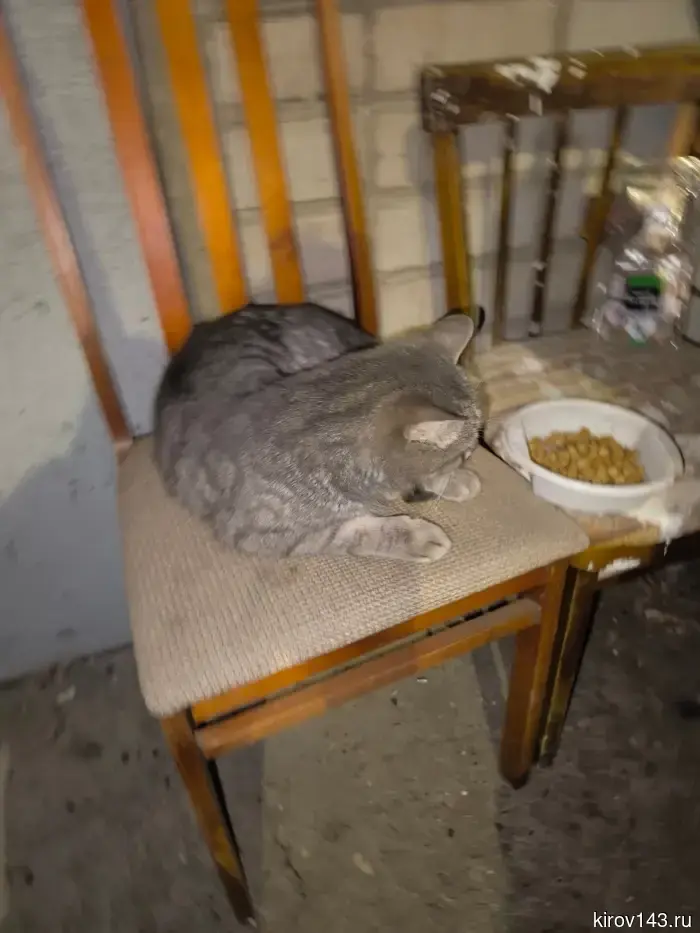 In the Southwest district of Kirov, they are looking for owners for an emaciated gray cat.
In the Southwest district of Kirov, volunteers are looking for owners for a gray cat that is in a deplorable condition. The fluffy cat is severely emaciated, but is friendly and affectionate — it approaches people on its own.
In the Southwest district of Kirov, they are looking for owners for an emaciated gray cat.
In the Southwest district of Kirov, volunteers are looking for owners for a gray cat that is in a deplorable condition. The fluffy cat is severely emaciated, but is friendly and affectionate — it approaches people on its own.
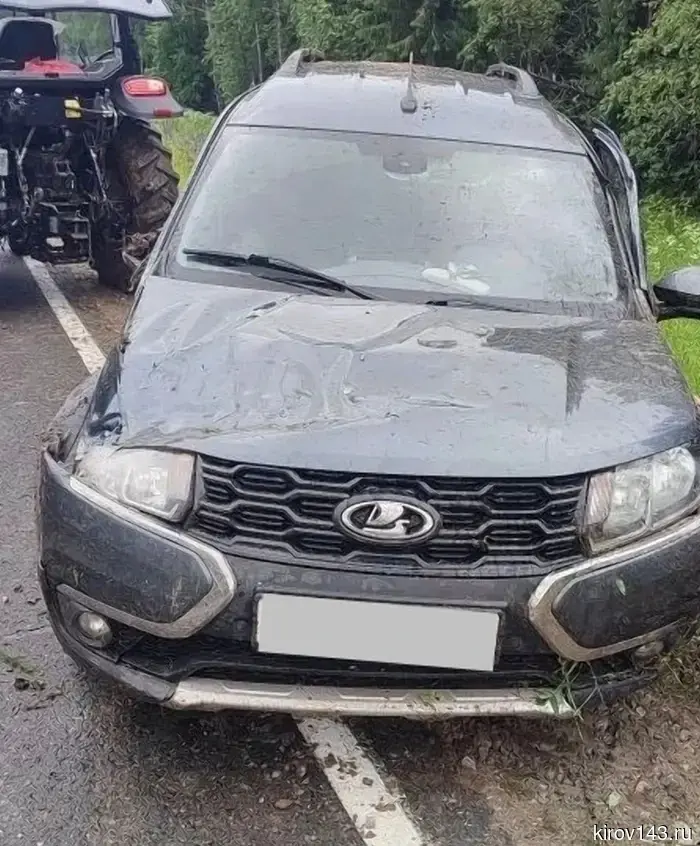 In the Phalensky district, a "Largus" overturned.
The accident occurred on the 18th.
In the Phalensky district, a "Largus" overturned.
The accident occurred on the 18th.
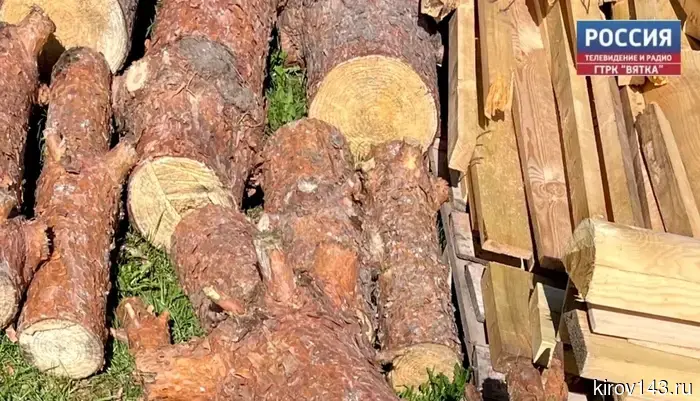 Кировская область занимает 5-е место по запасам древесины среди регионов европейской части России.
Лесная площадь Кировской области превышает 8 миллионов гектаров, что составляет 63% от общей территории, сообщили в правительстве региона. По запасам древесины среди субъектов европейской части России наш регион занимает 5-е место. На территории области в долгосрочное пользование выделено 822 лесных участков.
Кировская область занимает 5-е место по запасам древесины среди регионов европейской части России.
Лесная площадь Кировской области превышает 8 миллионов гектаров, что составляет 63% от общей территории, сообщили в правительстве региона. По запасам древесины среди субъектов европейской части России наш регион занимает 5-е место. На территории области в долгосрочное пользование выделено 822 лесных участков.
3 mistakes when choosing gold for a child that impact the wallet and health
Giving a child earrings or a chain is a touching tradition. However, every second parent, according to jewelers' estimates, makes at least one of three typical mistakes: overpaying for a complex design, buying "to grow into," or choosing the wrong metal. The consequences range from skin irritation to lost jewelry in the sandbox.