
"Rabbits" and low tariffs: the CEO of "ATP" spoke about the company's problems
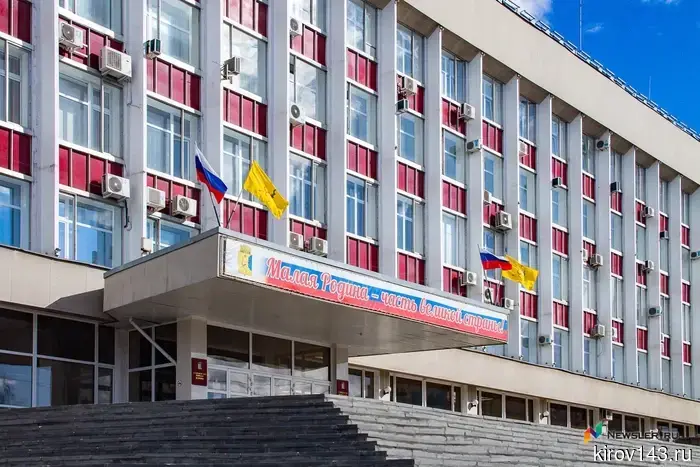
At the meeting of the Duma commission, the general director of the "Transport Enterprise" Vladimir Byzov spoke. He reported on the main results of the work of "ATP".
It became known that in 2025 the enterprise finished with a profit of 5.1 million rubles, the plan for it was exceeded. Revenue amounted to 1.4 billion rubles, which grew by 5.5% over the year, however, this is 8% below the plan. The decrease is related to the fact that "ATP" transported 3 million passengers less than planned. "The reason is that the rolling stock did not allow us to perform at the required level," the speaker explained. "And it is directly proportional to revenue. But the problem with the fleet has already been resolved."
According to the general director, "ATP" acquired 102 new buses through leasing and updated the bus fleet by 90%. The situation with trolleybuses remains consistently poor — the wear and tear is 95%, only 15 out of 88 vehicles meet the requirements. In addition, there is significant wear on the infrastructure, and there are no own funds for its modernization.
The situation with personnel improved slightly last year, but the problem still exists. In 2025, the average number of employees at "ATP" was 901, and currently, it is 1,020. New buses helped attract drivers, but they are still lacking — the driver shortage is 9% or 50 people. However, the situation with conductors is even worse — the shortage has reached 30%. It has come to the point that "ATP" had to install a conductor-less system in 20% of all its vehicles. It does not bring significant benefits, but it covers the need for conductors. However, there is a serious downside — the control system is practically absent, and no one punishes fare evaders.
The head of the enterprise added that other income in 2025 amounted to 501 million rubles, which is above the plan. Expenses reached 1.6 billion rubles, showing a slight increase over the year, but were significantly below the plan. Cost reductions were achieved through the wage fund, and the enterprise also saved on depreciation, GLONASS services, and transaction processing. At the same time, the plan for spending on electricity supply for rolling stock and utility expenses was exceeded (by 3 and 5 million rubles, respectively). "These are services of natural monopolies, we cannot influence them," said the speaker. For gas, it was possible to reduce expenses by 30 million rubles due to the fact that new buses run on it instead of diesel, and it is much cheaper.
Byzov summarized: "Our activities have been loss-making for a long time. The loss from the main type of activity (transportation) amounted to 375 million rubles." According to him, the loss decreased over the year, but not enough. The enterprise is trying to cover it by renting out its own real estate and suspension nodes on the contact network, but all of this is insufficient.
"The cost of travel today is 57 rubles," the speaker noted. "The fare is 40 rubles. There are currently no prospects for its increase." He added that "ATP" is trying to operate this way: it has introduced strict financial planning, increased rent, and concluded an agreement on debt restructuring (the total debt is 360-370 million rubles, including credit debt of 164 million rubles). And it manages to avoid "sin" — there are no wage or tax debts at "ATP", nor any enforcement orders. "We are looking for solutions," the director concluded.
Deputy Vladimir Malkov noted that there are only four control staff working on the line, and the fine for fare evaders is only 200 rubles. He asked whether the issue of increasing fines and creating a full-fledged control system is being worked on. Byzov replied that all of this is the responsibility of the administration, not "ATP". As for the current control staff, they were not placed there to check passengers but to work with conductors. And even if they start checking tickets, they will not be able to fine anyone; at most, they can ask to pay for the ride. "Overall, this should be a global solution; there should be a service at the regional level," he expressed his opinion. "And there should be fines that motivate people to pay." Malkov agreed: "Yes, a sum of 200 rubles will not motivate anyone, and you will incur losses."
The deputy also asked about the profitability of new routes. The speaker said that as of today, "ATP" also serves routes No. 70, 129, and 136, with 13 additional vehicles on the line, but "none of the routes will operate at a profit."
Другие Новости Кирова (НЗК)
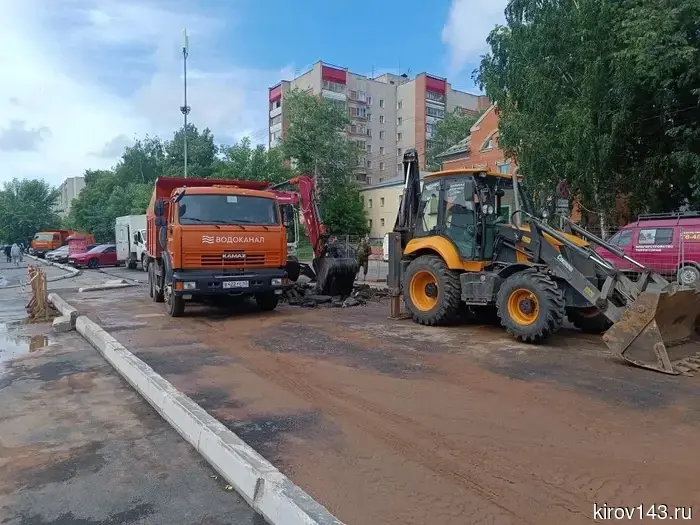 The work to eliminate the leak on Proletarskaya will last into the night.
Work began early in the morning on June 16 and will last until night.
The work to eliminate the leak on Proletarskaya will last into the night.
Work began early in the morning on June 16 and will last until night.
 Aries should avoid getting carried away by emotions, while Capricorns should be prepared for a rush and overtime work.
Astrologers revealed what the third working day of the current week will be like for each zodiac sign.
Aries should avoid getting carried away by emotions, while Capricorns should be prepared for a rush and overtime work.
Astrologers revealed what the third working day of the current week will be like for each zodiac sign.
 Kirovstat showed who earns the most in the region.
Financiers, chemists, and metalworkers confidently outpace their fellow countrymen in income. In the first quarter of 2026, the average salary in the Kirov region was 70,000 rubles, but in certain industries, it exceeded 100,000. Kirovstat published a detailed breakdown by sectors.
Kirovstat showed who earns the most in the region.
Financiers, chemists, and metalworkers confidently outpace their fellow countrymen in income. In the first quarter of 2026, the average salary in the Kirov region was 70,000 rubles, but in certain industries, it exceeded 100,000. Kirovstat published a detailed breakdown by sectors.
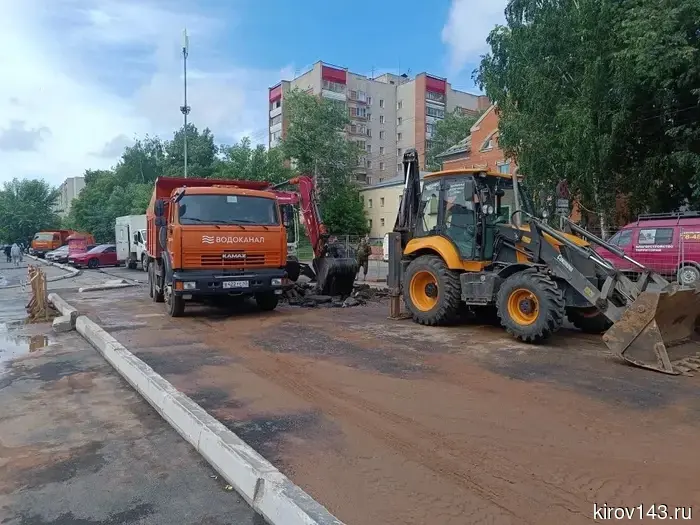 The work to eliminate the leak on Proletarskaya will continue through the night.
Work began early in the morning on June 16 and will last until night.
The work to eliminate the leak on Proletarskaya will continue through the night.
Work began early in the morning on June 16 and will last until night.
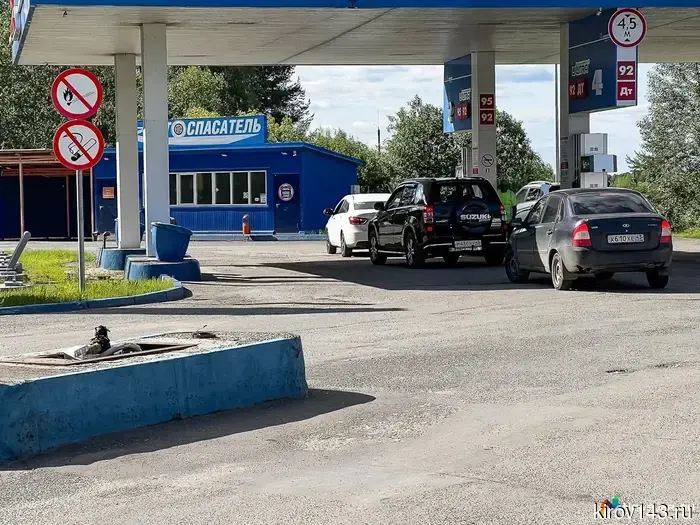 The Kirov region government: there are sufficient fuel reserves.
The regional Ministry of Energy and Housing and Utilities commented on the situation with fuel limits at gas stations. The agency stated that there is no shortage, and the restrictions imposed by the networks are a common practice across Russia. The limits do not apply to emergency services and special transport.
The Kirov region government: there are sufficient fuel reserves.
The regional Ministry of Energy and Housing and Utilities commented on the situation with fuel limits at gas stations. The agency stated that there is no shortage, and the restrictions imposed by the networks are a common practice across Russia. The limits do not apply to emergency services and special transport.
 In the Kirov region, corporate income tax revenues increased by 15.8%.
At the same time, the overall expenses of the region decreased.
In the Kirov region, corporate income tax revenues increased by 15.8%.
At the same time, the overall expenses of the region decreased.
"Rabbits" and low tariffs: the CEO of "ATP" spoke about the company's problems
Vladimir Byzov spoke before the Kirov deputies.