
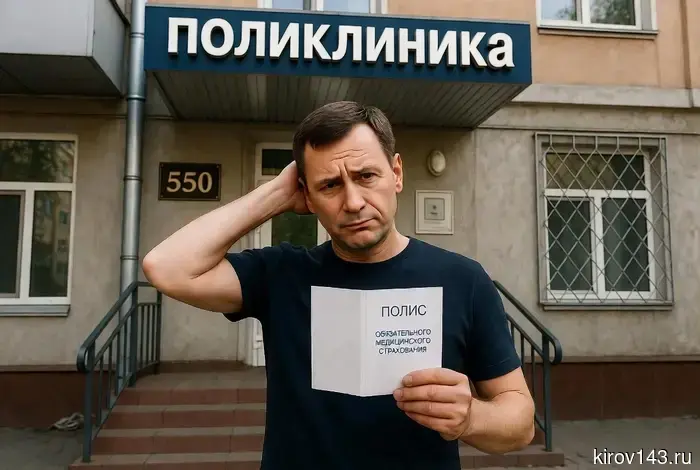
Not everything is free: experts explained which diseases and services are not covered by the compulsory health insurance policy.
What the compulsory health insurance policy provides without additional payments
The compulsory health insurance program allows free visits to therapists and specialists, undergoing medical check-ups and preventive examinations, getting vaccinations according to the national calendar, taking basic tests, and receiving inpatient treatment.
This also includes most surgical operations, pregnancy management, childbirth, and some dental care (treatment of caries, tooth extraction — at the clinic in the place of residence, without expensive materials).
It seems like an impressive list. However, there are a number of diseases and medical services that are not funded by the compulsory health insurance program — at least not in full.
What remains "off the board" of compulsory health insurance
According to healthcare experts, the following are outside the basic program:
treatment of HIV infection (some therapy may be provided under special regional programs, but not everywhere and not always);
tuberculosis therapy (in the acute period — yes, but some stages of rehabilitation and supportive treatment — at the patient's expense);
a number of sexually transmitted diseases (syphilis, gonorrhea, and others — their treatment is selectively funded, often only at the initial stages);
certain types of psychiatric care (especially long-term psychotherapy, rehabilitation, and non-drug methods);
palliative care (pain relief and home care — only partially, much has to be paid for by the patient);
air ambulance (helicopters and planes for emergency evacuation of patients — in most regions are not included in compulsory health insurance).
An important nuance: emergency care — outside the rules
Experts emphasize: if it concerns a life-threatening condition, they cannot refuse assistance. In case of a heart attack, stroke, severe accident, or sudden exacerbation of any disease — even one not included in the compulsory health insurance list — the ambulance team and emergency room doctors are obliged to do everything necessary.
However, bureaucracy may begin afterward: the payment procedure for such treatment depends on the region, and some procedures may later be attempted to be billed as paid. Patients or their relatives often have to prove that the assistance was emergency.
Regional differences: what is free in Moscow is paid in Magadan
The main problem that experts warn about is the territorial compulsory health insurance program. Federal law only sets a basic minimum, and each subject of Russia can expand or narrow the list of free services at the expense of its budget.
As a result, what is provided for free in one city (for example, an expensive drug for HIV or a palliative bed at home) will cost tens of thousands of rubles in another region.
Therefore, the specialists' advice is clear: before counting on a free service (especially a specialized or expensive one), it is necessary to personally contact the territorial compulsory health insurance fund of your subject or the hotline of the insurance company. They will provide an accurate list for the current year.
How to avoid unexpected bills: three steps
To avoid unexpected bills after treatment, experts recommend:
When planning hospitalization — request written confirmation in advance that all prescribed procedures and medications are included in the territorial compulsory health insurance program.
If the hospital demands payment for what should be free by law — call the hotline of your insurance representative (the number is indicated in the policy).
If assistance is refused (even for a disease not included in compulsory health insurance) — demand a written conclusion and appeal to the prosecutor's office or the territorial body of Roszdravnadzor, reports karelinform.ru.
The compulsory health insurance policy is a powerful but not all-encompassing tool. A lot can be obtained for free, but treatment for HIV, tuberculosis, venereology, palliative care, and air ambulance should be checked separately. And remember: in case of a life-threatening situation — refusal is illegal, and for planned assistance — the rule "trust, but verify" applies in your regional compulsory health insurance fund.
Другие Новости Кирова (НЗК)
 "The first victory will be the sweetest": how American football appeared in Kirov
In the Kirov region, a federation of American football has been officially registered for the first time. The team "Vyatichi" is already playing, training, and preparing for new matches. A correspondent from Newsler.ru attended a training session and spoke with those who are starting this sport from scratch.
"The first victory will be the sweetest": how American football appeared in Kirov
In the Kirov region, a federation of American football has been officially registered for the first time. The team "Vyatichi" is already playing, training, and preparing for new matches. A correspondent from Newsler.ru attended a training session and spoke with those who are starting this sport from scratch.
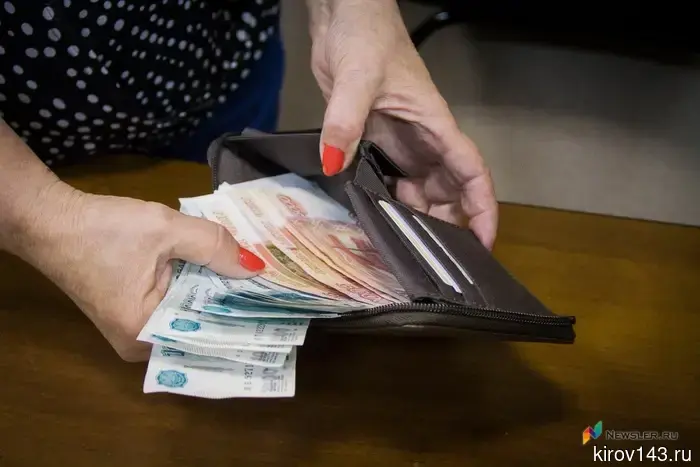 In Kotel'nich, a bank employee saved 800 thousand rubles for a pensioner.
A 77-year-old resident of Kotelnich nearly transferred a large sum to a "safe account" after a call from a fake prosecutor and a false investigator. The operation was stopped by an employee of the credit organization. A criminal case has been opened for attempted fraud.
In Kotel'nich, a bank employee saved 800 thousand rubles for a pensioner.
A 77-year-old resident of Kotelnich nearly transferred a large sum to a "safe account" after a call from a fake prosecutor and a false investigator. The operation was stopped by an employee of the credit organization. A criminal case has been opened for attempted fraud.
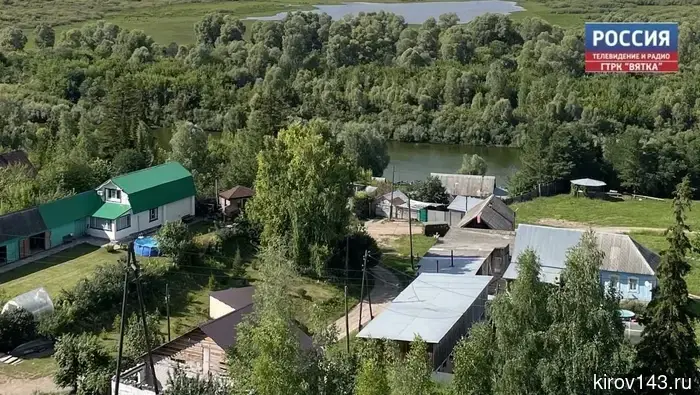 В Вятских Полянах семьи из «Осинок» получают участки земли.
Обсуждение вопроса о механизме компенсации собственникам земли в микрорайоне «Осинки» Вятских Полян или их обмене на участки с инфраструктурой состоялось на еженедельной планерке губернатора Александра Соколова с правительством. Ранее было дано поручение ускорить решение этого вопроса.
В Вятских Полянах семьи из «Осинок» получают участки земли.
Обсуждение вопроса о механизме компенсации собственникам земли в микрорайоне «Осинки» Вятских Полян или их обмене на участки с инфраструктурой состоялось на еженедельной планерке губернатора Александра Соколова с правительством. Ранее было дано поручение ускорить решение этого вопроса.
 Not everything is free: experts revealed which diseases and services are not covered by the compulsory health insurance policy.
Many Russians are convinced that if they have a compulsory health insurance policy, then all medical assistance in the country becomes free. This is not entirely true. The compulsory health insurance system does cover a wide range of services, but there are entire areas of treatment that fall outside its scope. Experts explained what policyholders should not expect and how to avoid falling into the trap of unexpected expenses.
Not everything is free: experts revealed which diseases and services are not covered by the compulsory health insurance policy.
Many Russians are convinced that if they have a compulsory health insurance policy, then all medical assistance in the country becomes free. This is not entirely true. The compulsory health insurance system does cover a wide range of services, but there are entire areas of treatment that fall outside its scope. Experts explained what policyholders should not expect and how to avoid falling into the trap of unexpected expenses.
 In Oparino, an abandoned house burned down, and in Kirov, a traffic accident occurred.
The Ministry of Emergency Situations reported on yesterday's incidents.
In Oparino, an abandoned house burned down, and in Kirov, a traffic accident occurred.
The Ministry of Emergency Situations reported on yesterday's incidents.
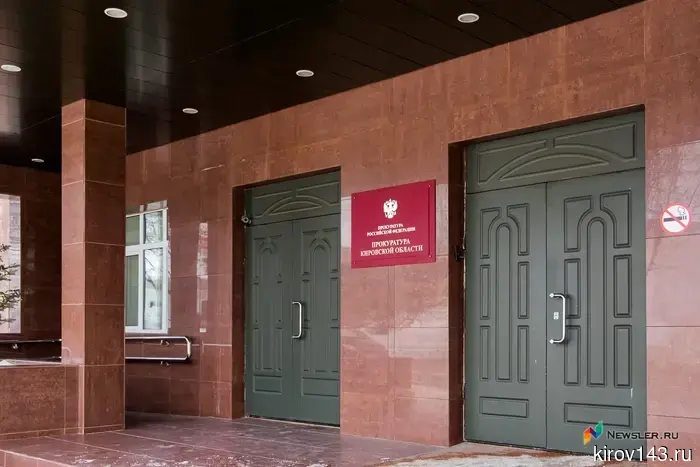 For snowballing through the window — 50 thousand rubles: the prosecutor demands compensation for the beaten teenager.
In Luzha, the prosecutor filed a lawsuit in court seeking compensation for moral damages in favor of a 15-year-old teenager. A man beat the schoolboy for throwing a snowball at the window of his apartment.
For snowballing through the window — 50 thousand rubles: the prosecutor demands compensation for the beaten teenager.
In Luzha, the prosecutor filed a lawsuit in court seeking compensation for moral damages in favor of a 15-year-old teenager. A man beat the schoolboy for throwing a snowball at the window of his apartment.
Not everything is free: experts explained which diseases and services are not covered by the compulsory health insurance policy.
Many Russians are convinced that if they have a compulsory health insurance policy, then all medical assistance in the country becomes free. This is not entirely true. The compulsory health insurance system does cover a wide range of services, but there are entire areas of treatment that fall outside its scope. Experts explained what policyholders should not expect and how to avoid falling into the trap of unexpected expenses.