

Turbocharged engines and summer heat: why switching to a thicker oil can be harmful
Many motorists are convinced that if extreme heat is expected in the summer, standard oil must be changed to a thicker one to prevent the engine from overheating. However, experts warn that this approach can have the opposite effect, especially when it comes to modern turbocharged engines.
The main problem for modern car owners is not the temperature itself, but the conditions under which it is reached. In city traffic jams, when the car moves jerkily for hours and the airflow in the engine compartment is minimal, the oil in the turbo engine's sump can indeed heat up to 120–130°C, reports ROSSKO technical specialist Konstantin Yershov. Nevertheless, high-quality modern lubricants maintain stability even under such peak loads.
The expert explains that additive packages break down not from short-term overheating, but due to systematic operation under harsh conditions combined with overdue replacement intervals. Accelerated oxidation and a drop in alkaline number is always a gradual process. That is why two parameters are critical for turbocharged engines: low evaporability according to Noack (so that the oil does not evaporate in the hot zone) and high thermal stability of the base (to protect against coking).
Using thicker oil without the manufacturer's direct recommendation can lead to the opposite result. During cold starts, circulation will worsen, and for the first few seconds, the engine will operate with a lack of lubrication. This does not guarantee additional protection against summer heat. It is much more important to regularly check the oil level, not to skimp on quality synthetic oil, and to remember that endless traffic jams are a heavy operating mode. In such conditions, it is wiser to shorten the service interval by 30–50% rather than experiment with viscosity.
Другие Новости Кирова (НЗК)
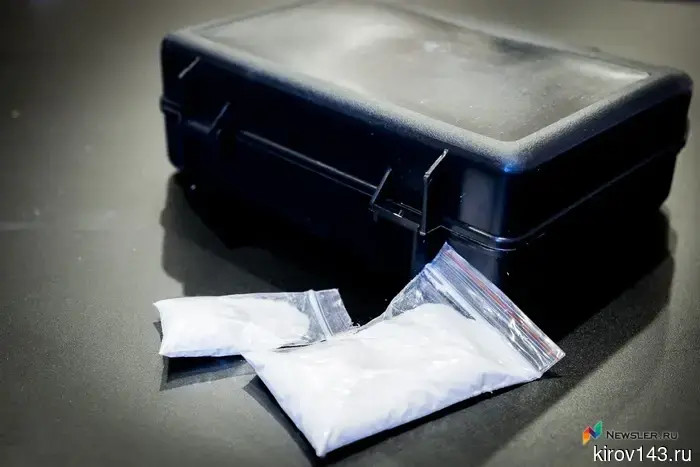 A woman from Perm was sentenced to 7 years for drugs in Kirov and had her cryptocurrency confiscated.
A 39-year-old woman who used drugs conspired with other group members and distributed synthetic drugs in Kirov via the internet. The court not only sent her to a penal colony but also confiscated communication devices and digital currency.
A woman from Perm was sentenced to 7 years for drugs in Kirov and had her cryptocurrency confiscated.
A 39-year-old woman who used drugs conspired with other group members and distributed synthetic drugs in Kirov via the internet. The court not only sent her to a penal colony but also confiscated communication devices and digital currency.
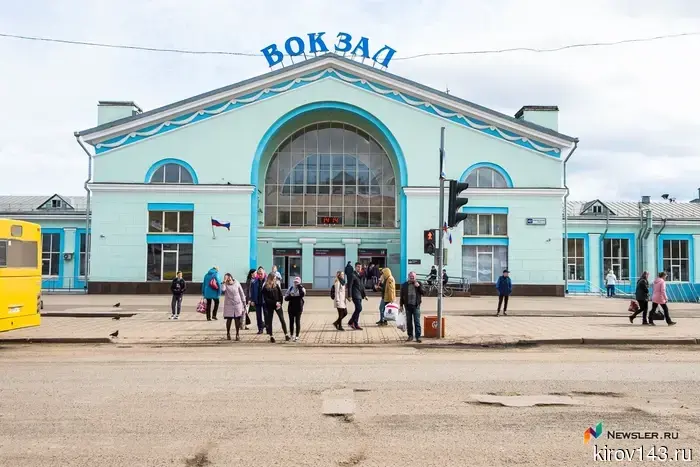 The passenger traffic on the "Lastochka" trains between Kirov and Nizhny Novgorod has increased by 21%.
In the first five months of 2026, 79 thousand passengers used high-speed trains between Kirov and Nizhny Novgorod. This is 21% more than in January-May of last year.
The passenger traffic on the "Lastochka" trains between Kirov and Nizhny Novgorod has increased by 21%.
In the first five months of 2026, 79 thousand passengers used high-speed trains between Kirov and Nizhny Novgorod. This is 21% more than in January-May of last year.
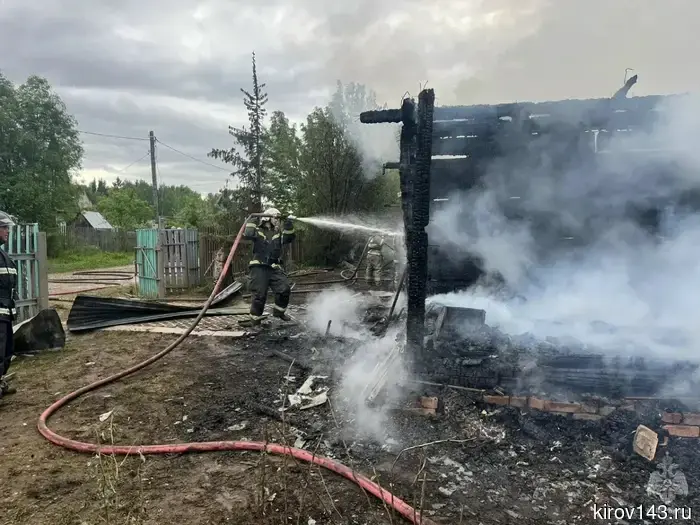 In Kirov, a garden house was on fire, in Svetlopolyansk — an apartment.
The Ministry of Emergency Situations reported on yesterday's fires in the region.
In Kirov, a garden house was on fire, in Svetlopolyansk — an apartment.
The Ministry of Emergency Situations reported on yesterday's fires in the region.
 "Olympia" has made friends with "Admiral"
The clubs from Kirovo-Chepetsk and Vladivostok have agreed to cooperate.
"Olympia" has made friends with "Admiral"
The clubs from Kirovo-Chepetsk and Vladivostok have agreed to cooperate.
 The Ministry of Health has announced where to receive medical assistance during the holidays.
The schedule of hospital operations for the coming days has been published.
The Ministry of Health has announced where to receive medical assistance during the holidays.
The schedule of hospital operations for the coming days has been published.
 A quarrel in the store on Lenin escalated into a fight.
In Kirov, the National Guard officers stopped a fight in a store on Lenin Street. The conflict between two customers escalated into a scuffle — the young men knocked over a shelf with goods and broke a bottle of alcohol.
A quarrel in the store on Lenin escalated into a fight.
In Kirov, the National Guard officers stopped a fight in a store on Lenin Street. The conflict between two customers escalated into a scuffle — the young men knocked over a shelf with goods and broke a bottle of alcohol.
Turbocharged engines and summer heat: why switching to a thicker oil can be harmful
Abnormal temperatures that forecasters predict this summer are making drivers think about engine protection. In traffic jams, oil in turbo engines can heat up to 130°C, but the usual logic of "the thicker, the more reliable" often proves to be incorrect under such conditions.