

Digital platforms: revolution or dependency?
What are digital platforms and how are they changing the market
“Digital platforms are software solutions that connect participants in economic relations: citizens and government, sellers and buyers, businesses and clients. Examples are found in almost every sector,” quotes Professor Mikhail Komarov from HSE University, volga.news. The share of platforms in the Russian economy is over 5%. Modest, but the effect is enormous.
Platforms transform business processes by formally removing intermediaries. However, they themselves become a new type of intermediary, taking on logistics, advertising, and document flow. Transaction costs decrease, goods and services become more accessible, and regional boundaries blur.
Representatives of major advertising services confirm: any resident, even from a small town, can sell products across the country. This has created new professions: order pickup points, content hubs, analytics services for sellers. The main thing is that manufacturers now have access to an audience of 80 million buyers.
How platforms earn and why people get used to them
Analyst Leonid Delitsyn from Finam explains: platforms save users' time. “To ‘get off’ a familiar platform, a small revolution is needed.” They earn through commissions (on average 3-30% of sales), paid advertisements, advertising, and delivery.
Marketplaces are developing their own logistics (hundreds of facilities) and a network of pickup points (tens of thousands of locations). Sellers can use their warehouses and delivery or operate independently.
Fintech as a new frontier
Almost all major platforms have acquired their own banks or fintech licenses. This allows them to reduce costs on acquiring, offer discounts for payments with their cards, and provide loans and installments directly at the time of purchase. Major banks accuse marketplaces of unfair competition; this issue is currently under discussion.
However, banks themselves are creating their own ecosystems and marketplaces. The future lies in “seamless payments,” where financial services become part of the purchasing process.
The flip side: monopoly and dumping
Platforms tend toward dominance. Taxi drivers leave local services for large aggregators, and buyers move from markets to marketplaces. “Small players are being swept away,” says Delitsyn.
Experts counter accusations of dumping: this is not an artificial lowering of prices, but an effect of scale and automation.
What the law will change from October 1, 2026
The government is introducing regulation. Platforms will be entered into a registry, required to disclose algorithms to partners, coordinate discounts at the seller's expense, and control product safety. Data on sellers' incomes will go to the Federal Tax Service. Self-employed individuals will be able to work with different platforms.
The Federal Antimonopoly Service is preparing a law against the monopolization of digital markets.
The future: “digital sheikhs” and artificial intelligence
Platforms will not completely replace offline — physical stores will remain, especially for products that people want to choose manually. An oligopoly will form among platforms: banks, telecoms, and marketplaces will compete with each other.
“Data is the digital oil. The new world will resemble the Persian Gulf, where ‘digital sheikhs’ thrive. A few platforms will determine the economy of the country,” predicts Delitsyn.
Artificial intelligence will play a key role. Without its own developments and adaptation of citizens, Russia risks becoming a digital colony.
Другие Новости Кирова (НЗК)
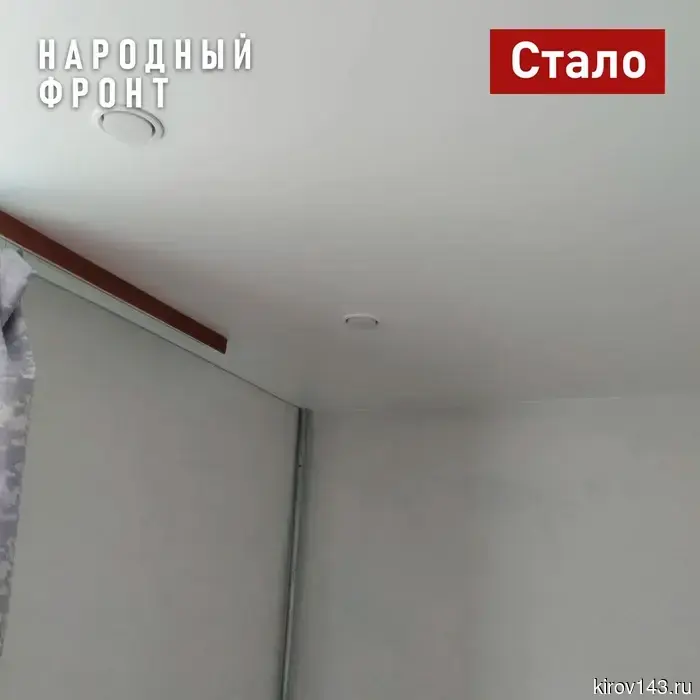 In Mirny, the ceiling was restored in the apartment where the plaster fell.
The management company has completed the necessary work.
In Mirny, the ceiling was restored in the apartment where the plaster fell.
The management company has completed the necessary work.
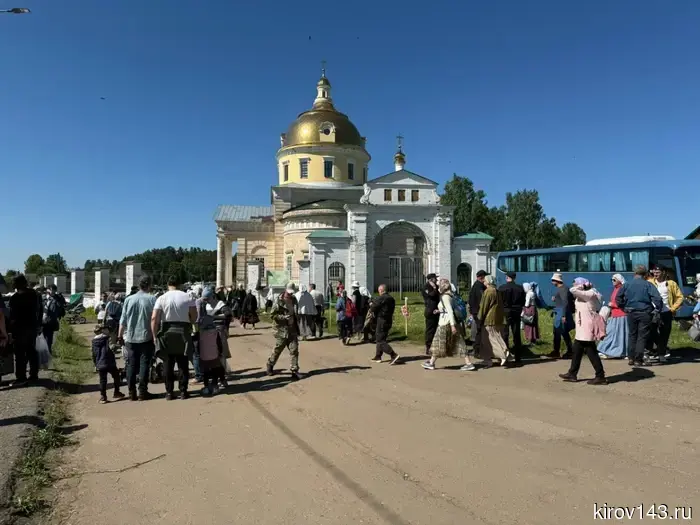 The main events of the pilgrimage took place in Velikoretsky.
The correspondent of Newsler.ru reported on today's events.
The main events of the pilgrimage took place in Velikoretsky.
The correspondent of Newsler.ru reported on today's events.
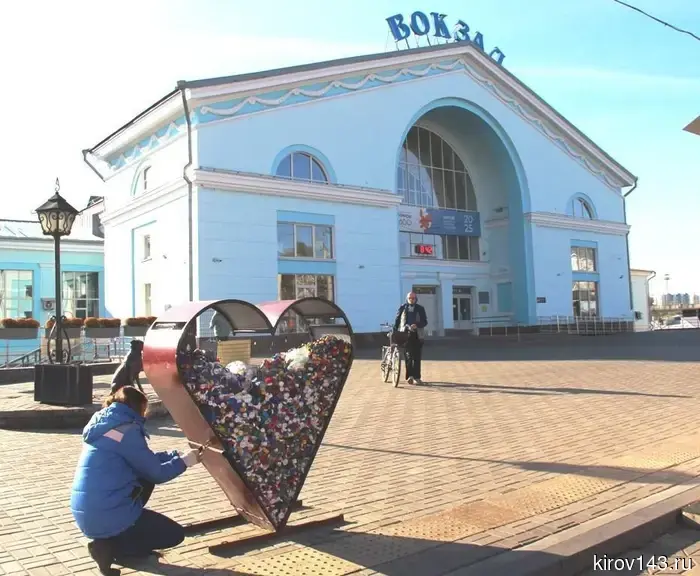 На Кировском вокзале было собрано свыше 450 кг пластика для переработки.
С начала этого года из специального контейнера, размещенного у вокзала Киров, было собрано и передано на переработку свыше 450 кг пластика. Это в 1,5 раза больше, чем за тот же период прошлого года, сообщают в пресс-службе ГЖД. Экологический арт-объект в виде сердца был установлен на площади рядом с
На Кировском вокзале было собрано свыше 450 кг пластика для переработки.
С начала этого года из специального контейнера, размещенного у вокзала Киров, было собрано и передано на переработку свыше 450 кг пластика. Это в 1,5 раза больше, чем за тот же период прошлого года, сообщают в пресс-службе ГЖД. Экологический арт-объект в виде сердца был установлен на площади рядом с
 Digital platforms: revolution or dependency?
Ordering items on a marketplace, obtaining a certificate through government services, calling a taxi in an app, finding a craftsman on a classifieds website — for millions of Russians, this is an ordinary day. Digital platforms have become part of everyday life, and economists call their impact revolutionary. Why? Experts explain.
Digital platforms: revolution or dependency?
Ordering items on a marketplace, obtaining a certificate through government services, calling a taxi in an app, finding a craftsman on a classifieds website — for millions of Russians, this is an ordinary day. Digital platforms have become part of everyday life, and economists call their impact revolutionary. Why? Experts explain.
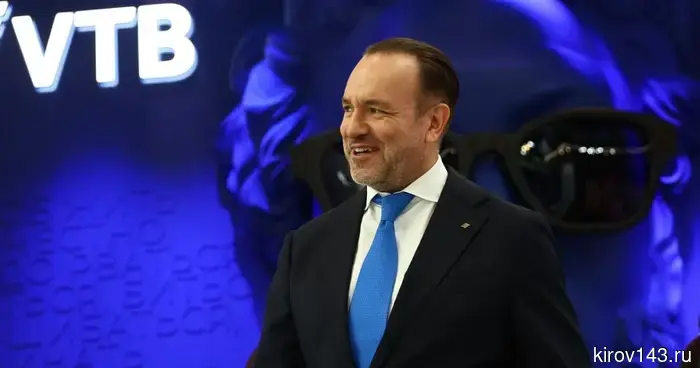 ВТБ: восстановление интереса к корпоративному кредитованию возможно при ставке около 12%.
ВТБ: активизация спроса на корпоративные кредиты может произойти при ставке примерно 12%.
ВТБ: восстановление интереса к корпоративному кредитованию возможно при ставке около 12%.
ВТБ: активизация спроса на корпоративные кредиты может произойти при ставке примерно 12%.
 In Velikoretsky, 37 thousand pilgrims were counted.
The authorities reported on the recent worship services.
In Velikoretsky, 37 thousand pilgrims were counted.
The authorities reported on the recent worship services.
Digital platforms: revolution or dependency?
Ordering items on a marketplace, obtaining a certificate through government services, calling a taxi in an app, finding a specialist on a classifieds website — for millions of Russians, this is an ordinary day. Digital platforms have become part of everyday life, and economists call their impact revolutionary. Why? Experts explain.