
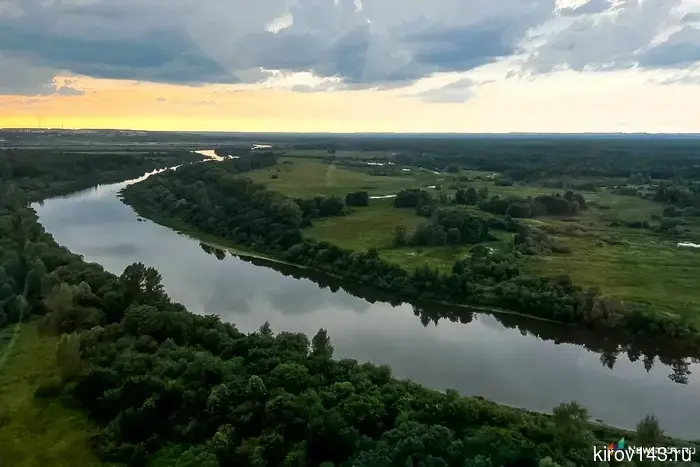
In the Kirov region, more than 5.6 billion rubles were spent on ecology.
On June 5, the World Environment Day and Ecologist Day are celebrated. In connection with this date, Kirovstat published data on expenditures for environmental protection activities in the Kirov region. Last year, organizations in the region invested 419 million rubles in the construction and reconstruction of environmental protection facilities, as well as in activities for the rational use of natural resources. 168 million rubles were allocated for air protection, 122 million rubles for water resource protection, and another 130 million rubles were spent on waste management.
At the same time, current expenditures on environmental protection turned out to be significantly higher — 5.6 billion rubles. This is 8.5% more compared to the previous year. The main part of the costs was covered by enterprises in the manufacturing industry and organizations working in the field of water supply, wastewater disposal, and waste management.
Special attention was paid to forestry. 560 million rubles were allocated for forest restoration. About 12 million rubles were spent on preventive measures to protect forest areas.
Funds were also invested in the hunting industry. In 2025, there were 93 hunting users operating in the region, and expenditures on hunting management amounted to 241 million rubles. Of this, 18 million rubles were directed towards the conservation of hunting resources and their habitats. The majority of this money was spent on purchasing animal feed and improving their living conditions.
In addition, specially protected natural areas continued to operate in the Kirov region. As of the end of last year, there were 153 such sites in the region, covering a total area of almost 377 thousand hectares.
Другие Новости Кирова (НЗК)
 New opportunities may come to Cancers, while Libras should become observers.
It has become known how the last working day of the current week will turn out for all zodiac signs.
New opportunities may come to Cancers, while Libras should become observers.
It has become known how the last working day of the current week will turn out for all zodiac signs.
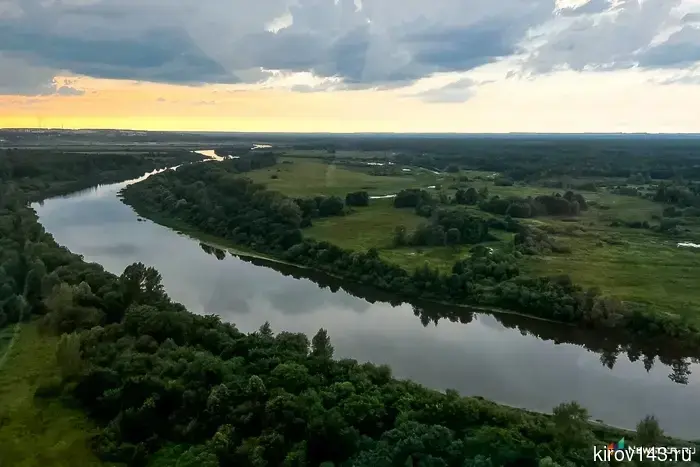 In the Kirov region, more than 5.6 billion rubles were spent on ecology.
The funds were allocated for air and water resource protection, waste management, forestry, and the maintenance of specially protected natural areas.
In the Kirov region, more than 5.6 billion rubles were spent on ecology.
The funds were allocated for air and water resource protection, waste management, forestry, and the maintenance of specially protected natural areas.
 Ghost Hunters: how and when to see silver clouds over Kirov?
These clouds are the highest on the planet. They soar at the edge of space, glowing with a mysterious blue light and are only visible at certain times of the year. The best time to catch the "heavenly ghosts" is in the shadow of the Earth — just after sunset or before dawn. We explain how not to miss this phenomenon in the sky over the Kirov region.
Ghost Hunters: how and when to see silver clouds over Kirov?
These clouds are the highest on the planet. They soar at the edge of space, glowing with a mysterious blue light and are only visible at certain times of the year. The best time to catch the "heavenly ghosts" is in the shadow of the Earth — just after sunset or before dawn. We explain how not to miss this phenomenon in the sky over the Kirov region.
 Kirov railway terminals handled more than 220 thousand tons of cargo.
The terminals in Kotelnich and Kirov processed more than 220 thousand tons of cargo in five months.
Kirov railway terminals handled more than 220 thousand tons of cargo.
The terminals in Kotelnich and Kirov processed more than 220 thousand tons of cargo in five months.
 In Kirov, a man with an axe smashed cameras, damaged a car, and threatened people.
The police officers detained the criminal.
In Kirov, a man with an axe smashed cameras, damaged a car, and threatened people.
The police officers detained the criminal.
In the Kirov region, more than 5.6 billion rubles were spent on ecology.
The funds were allocated for air and water resource protection, waste management, forestry, and the maintenance of specially protected natural areas.