
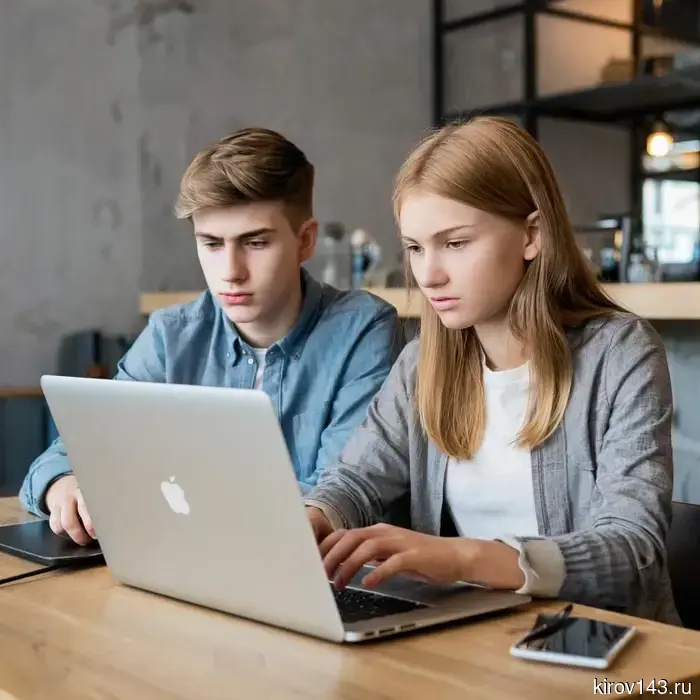
Laptops and components are banned: what will change for buyers from May 27
Is familiar technology in question?
Since the end of May, computers, laptops, servers, and data storage systems from dozens of well-known brands have disappeared from the list of parallel imports. Brands like Acer, Asus, Fujitsu, HP, Hitachi, IBM, Intel, Kingston, Samsung, Toshiba, and many others have been placed on the "stop list." Both consumer laptops and storage devices, as well as corporate equipment such as products from Cisco, HPE, and Inspur, widely used in data centers and communication networks, are affected.
It is important to understand that this is not a total ban on sales. However, the preferential regime under which goods could be imported without the direct consent of the brand owner is being canceled. Suppliers will now again require either the rights holder's permission or to work through an official distributor. For brands that have ceased operations in Russia and have not appointed local partners, this could make further supplies nearly impossible, reports karelinform.ru.
What may disappear from the shelves
Customers should not expect an immediate disappearance of familiar technology. Stores will continue to sell off remaining stock, but the assortment may gradually begin to shrink, especially in the segment of devices from brands that have stopped direct cooperation with Russia.
Popular laptops from Asus and Acer, corporate devices from HP, networking and server equipment from Cisco, Intel processors, as well as storage devices from Samsung, Kingston, and SanDisk are at risk of reduced availability. Experts note that the changes will hit the B2B segment the hardest. Companies whose IT infrastructure is built on equipment from departed brands will find it more challenging to maintain and expand their capabilities.
Will technology become more expensive?
Opinions among market participants and analysts on this matter differ.
Analyst Eldar Murtazin from Mobile Research Group believes that the average consumer "will not notice any changes." According to him, only corporate supplies will disappear, while brands like Acer and Asus will continue to operate in Russia through official channels to avoid losing market share.
Lawyers provide a more cautious assessment. Anna Barabash, CEO of Enterprise Legal Solutions, explained that after the exclusion of technology from the parallel import list, suppliers will face additional legal risks. Rights holders will be able to demand import restrictions and seizure of goods. Such risks will almost inevitably be factored into the final price for the consumer. A similar position is held by "Marvel-Distribution," which does not rule out moderate price increases related to the complication of logistics chains.
At the same time, the Ministry of Industry and Trade stated that the exclusion of technology from parallel imports will not affect the assortment, as similar product positions are already represented by Russian manufacturers in sufficient volume for substitution.
What does this mean for consumers
The main question now is whether familiar laptops and storage devices will disappear or simply become more expensive. Most likely, there will not be a sharp scenario: technology will not vanish overnight, but the selection may gradually shrink, especially in the segment of devices from brands that do not officially cooperate with Russia. At the same time, the market will continue to restructure — part of the demand will shift to Chinese manufacturers and emerging local brands.
Essentially, this is about a new stage of market adaptation. While parallel imports previously helped maintain a familiar assortment, the focus is now on stimulating domestic production and gradually replacing Western technologies. Both businesses and ordinary consumers, who are accustomed to a certain set of brands and prices, will need to adapt.
Другие Новости Кирова (НЗК)
 Wednesday with a thunderstorm, Friday with wind: what surprise have the forecasters prepared for the residents of Kirov?
The duty forecaster of the Kirov Central Geophysical Service, S.A. Kasyanova, has published the forecast for the last three days of spring — May 27, 28, and 29. Fog, brief rains, daytime thunderstorms, and a change of wind to the north are expected in the regional center. We explain how the weather in Kirov will differ from that in the region.
Wednesday with a thunderstorm, Friday with wind: what surprise have the forecasters prepared for the residents of Kirov?
The duty forecaster of the Kirov Central Geophysical Service, S.A. Kasyanova, has published the forecast for the last three days of spring — May 27, 28, and 29. Fog, brief rains, daytime thunderstorms, and a change of wind to the north are expected in the regional center. We explain how the weather in Kirov will differ from that in the region.
 В интернете появятся ещё 5 способов поддержки участников СВО.
Сегодня на оперативном совещании под руководством губернатора Александра Соколова была рассмотрена цифровизация мер поддержки для участников специальной военной операции и их семей. Главная цель — перевести все льготы в электронный формат, чтобы граждане могли получать помощь без необходимости посещать государственные учреждения. Кировская область.
В интернете появятся ещё 5 способов поддержки участников СВО.
Сегодня на оперативном совещании под руководством губернатора Александра Соколова была рассмотрена цифровизация мер поддержки для участников специальной военной операции и их семей. Главная цель — перевести все льготы в электронный формат, чтобы граждане могли получать помощь без необходимости посещать государственные учреждения. Кировская область.
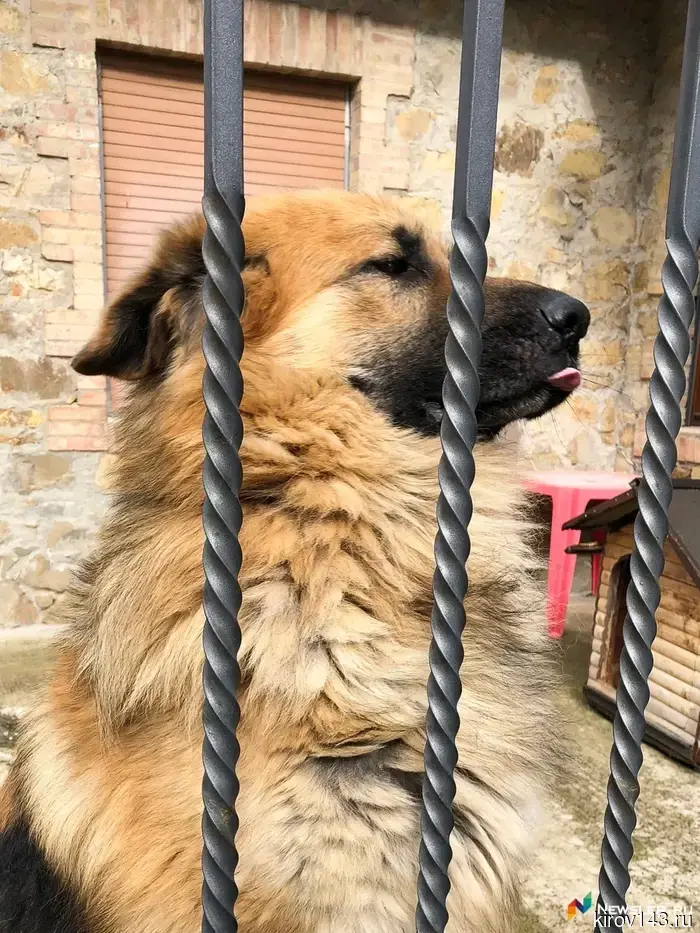 A dog bit a child in the face in Kirov: the owner will pay 50 thousand.
In the Pervomaisky District, the prosecutor's office obtained compensation through the court for an 8-year-old boy who was injured in a dog attack. The incident occurred due to the uncontrolled keeping of the animal.
A dog bit a child in the face in Kirov: the owner will pay 50 thousand.
In the Pervomaisky District, the prosecutor's office obtained compensation through the court for an 8-year-old boy who was injured in a dog attack. The incident occurred due to the uncontrolled keeping of the animal.
 Еще 5 мер поддержки участников СВО станут доступными в онлайн-формате.
Сегодня на оперативном совещании, проведенном губернатором Александром Соколовым, было рассмотрено внедрение цифровых технологий для поддержки участников специальной военной операции и их семей. Главная цель — перевести все льготы в электронный формат, чтобы граждане могли получать помощь без необходимости лишних визитов в государственные органы. Кировская область.
Еще 5 мер поддержки участников СВО станут доступными в онлайн-формате.
Сегодня на оперативном совещании, проведенном губернатором Александром Соколовым, было рассмотрено внедрение цифровых технологий для поддержки участников специальной военной операции и их семей. Главная цель — перевести все льготы в электронный формат, чтобы граждане могли получать помощь без необходимости лишних визитов в государственные органы. Кировская область.
 A resident of Kirov sold someone else's car, believing that it had no owner.
A woman reported to the police the disappearance of her non-operational sedan. The suspect was found quickly — the young man himself brought the buyer and received the money. Now his actions are classified by the investigation as theft.
A resident of Kirov sold someone else's car, believing that it had no owner.
A woman reported to the police the disappearance of her non-operational sedan. The suspect was found quickly — the young man himself brought the buyer and received the money. Now his actions are classified by the investigation as theft.
 A Kirov resident sold someone else's car, believing that it had no owner.
A woman reported to the police the disappearance of her non-operational sedan. The suspect was found quickly — the young man himself brought the buyer and received the money. Now his actions are being classified by the investigation as theft.
A Kirov resident sold someone else's car, believing that it had no owner.
A woman reported to the police the disappearance of her non-operational sedan. The suspect was found quickly — the young man himself brought the buyer and received the money. Now his actions are being classified by the investigation as theft.
Laptops and components are banned: what will change for buyers from May 27
The Russian electronics market is entering a new phase of adaptation. Starting from May 27, changes to the Ministry of Industry and Trade's order will come into effect, excluding a significant portion of foreign computer equipment from the list of goods permitted for parallel import. This decision has been in preparation since the fall of 2025, and now its consequences are set to reflect on store shelves and consumers' wallets.