

Worse than COVID: what worries Russians in 2026
The main nightmare for Russians at the beginning of 2026 has become not viruses or scammers, but internet restrictions. According to one study by KROS, the corresponding anxiety reached a total index of 1735.31 — five times higher than the drone attacks, which took second place, and almost twice as high as the peak values of coronavirus panic in 2020.
At the same time, the index of the "survivability" of the topic (the depth of discussion on social media) reached a record 10.39. For comparison: in 2022, when the restrictions first appeared in the top discussions, it was three times lower.
What specifically is frightening? The blocking of Telegram and regular mobile internet outages — even in Moscow and St. Petersburg. Due to failures, banking apps crash, and people cannot pay for purchases with a card or via QR code. Businesses, in turn, have faced a breakdown of the usual digital economy.
The second surprise of the year has been the Epstein files. The story made it into the top three main concerns partly due to discussions about the "degradation of the elites" and real fears: have Russian citizens fallen into that very "network"?
The situation with small businesses has added significant tension. The closure of restaurants and SMEs took third place in the survivability index. The reasons are harsh: an increase in VAT from 20% to 22%, the cancellation of reduced insurance contributions (returning to a rate of 30%), and an additional rise in acquiring fees. About 5.5% of SME representatives, according to the report, stated that they had effectively ceased operations.
Even nature has added to the nervousness: floods in Dagestan and other regions and the topic of mutant ticks have sparked deeper discussions than the war in Iran and drone attacks (despite later explanations from scientists that it concerns a heat-loving species of Hyalomma, not mutants).
Другие Новости Кирова (НЗК)
 "Flame in the Dark": A Description of Puberty
The wave of mad and blind love for youth/teen novels generates new "masterpieces" in literature and cinema almost every week. The book by young author Tanya Nordsvay, "Flame in the Dark" (18+), was released at the beginning of this year, and the impressions from it are, of course, extremely mixed.
"Flame in the Dark": A Description of Puberty
The wave of mad and blind love for youth/teen novels generates new "masterpieces" in literature and cinema almost every week. The book by young author Tanya Nordsvay, "Flame in the Dark" (18+), was released at the beginning of this year, and the impressions from it are, of course, extremely mixed.
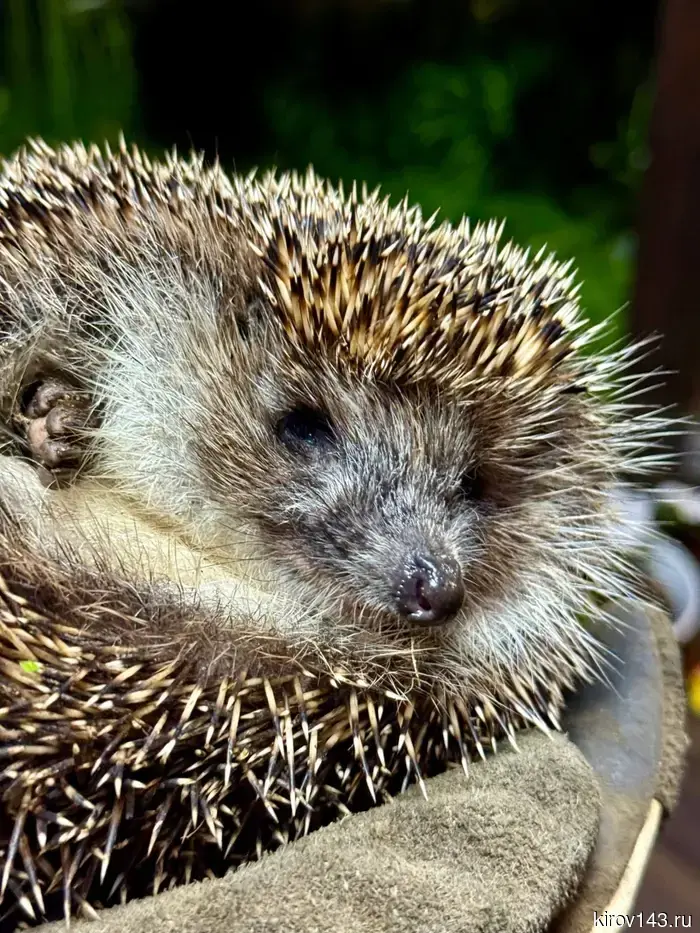 Spiny threat: Kirov residents warned about the danger of spring hedgehogs
Spring in the Kirov region is not only about melting snow and the first patches of bare ground, but also about hedgehogs waking up from hibernation. The regional veterinary department is asking residents not to be deceived by the appearance of these animals: there is a real health risk hidden under their spines.
Spiny threat: Kirov residents warned about the danger of spring hedgehogs
Spring in the Kirov region is not only about melting snow and the first patches of bare ground, but also about hedgehogs waking up from hibernation. The regional veterinary department is asking residents not to be deceived by the appearance of these animals: there is a real health risk hidden under their spines.
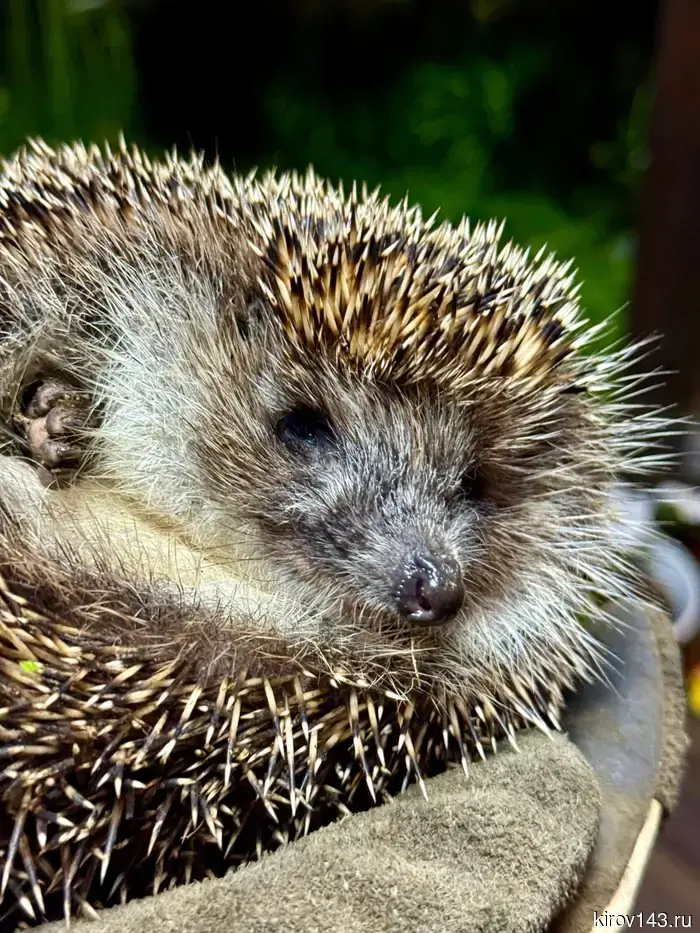 Spiky threat: Kirov residents warned about the danger of spring hedgehogs
Spring in the Kirov region is not only about icicles and the first thawed patches, but also about hedgehogs waking up from hibernation. The regional veterinary office is asking residents not to be deceived by the appearance of these animals: there is a real health risk hidden under their spines.
Spiky threat: Kirov residents warned about the danger of spring hedgehogs
Spring in the Kirov region is not only about icicles and the first thawed patches, but also about hedgehogs waking up from hibernation. The regional veterinary office is asking residents not to be deceived by the appearance of these animals: there is a real health risk hidden under their spines.
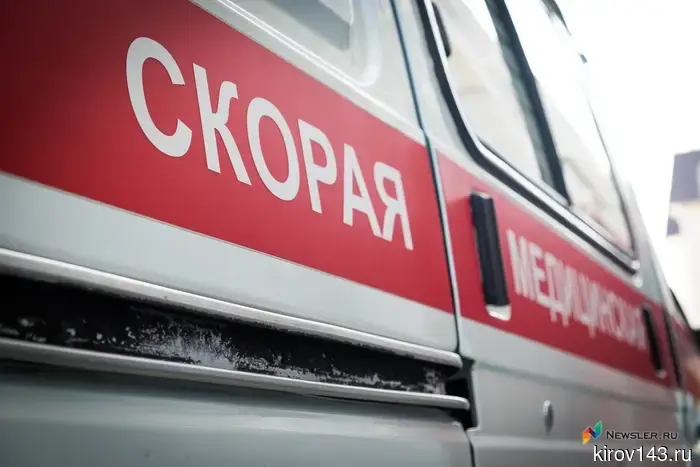 An employee of the Kirov emergency hospital sustained a serious injury at the workplace.
An investigation has been initiated in Kirov regarding the accident that occurred with an employee of the Emergency Medical Assistance Hospital.
An employee of the Kirov emergency hospital sustained a serious injury at the workplace.
An investigation has been initiated in Kirov regarding the accident that occurred with an employee of the Emergency Medical Assistance Hospital.
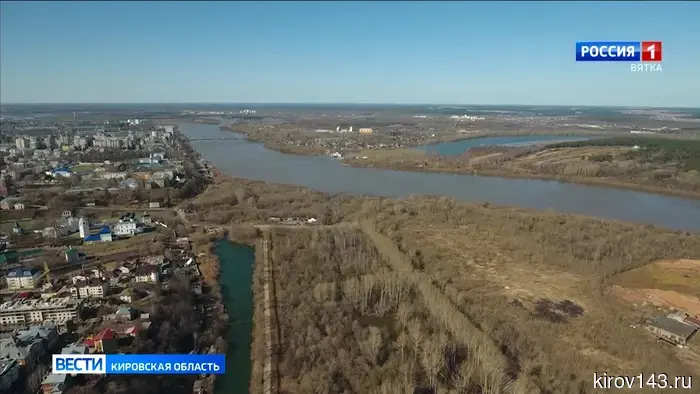 Во всех реках Кировской области фиксируется снижение водных уровней.
Половодье подходит к завершению. Почти на всех реках региона фиксируется снижение уровней воды. За последние сутки три участка автодороги и пять придомовых территорий в Кирове и Вятскополянском районе освободились от воды. Подтопления продолжают наблюдаться на семи участках автодорог в Кирове, Котельниче и Советске.
Во всех реках Кировской области фиксируется снижение водных уровней.
Половодье подходит к завершению. Почти на всех реках региона фиксируется снижение уровней воды. За последние сутки три участка автодороги и пять придомовых территорий в Кирове и Вятскополянском районе освободились от воды. Подтопления продолжают наблюдаться на семи участках автодорог в Кирове, Котельниче и Советске.
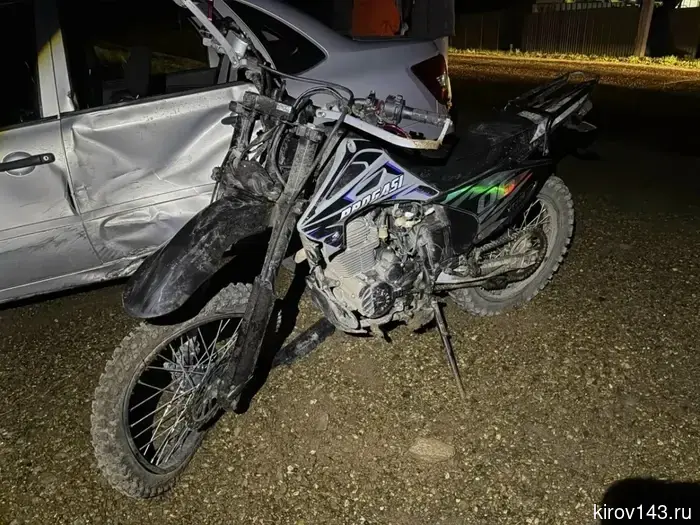 In the Slobodsky district, a motorcyclist was injured in a traffic accident.
The accident occurred in the village of Zaborie.
In the Slobodsky district, a motorcyclist was injured in a traffic accident.
The accident occurred in the village of Zaborie.
Worse than COVID: what worries Russians in 2026
Internet restrictions have caused record anxiety — twice as high as during the pandemic in 2020. And Epstein's files have unexpectedly surpassed discussions about drone attacks.