
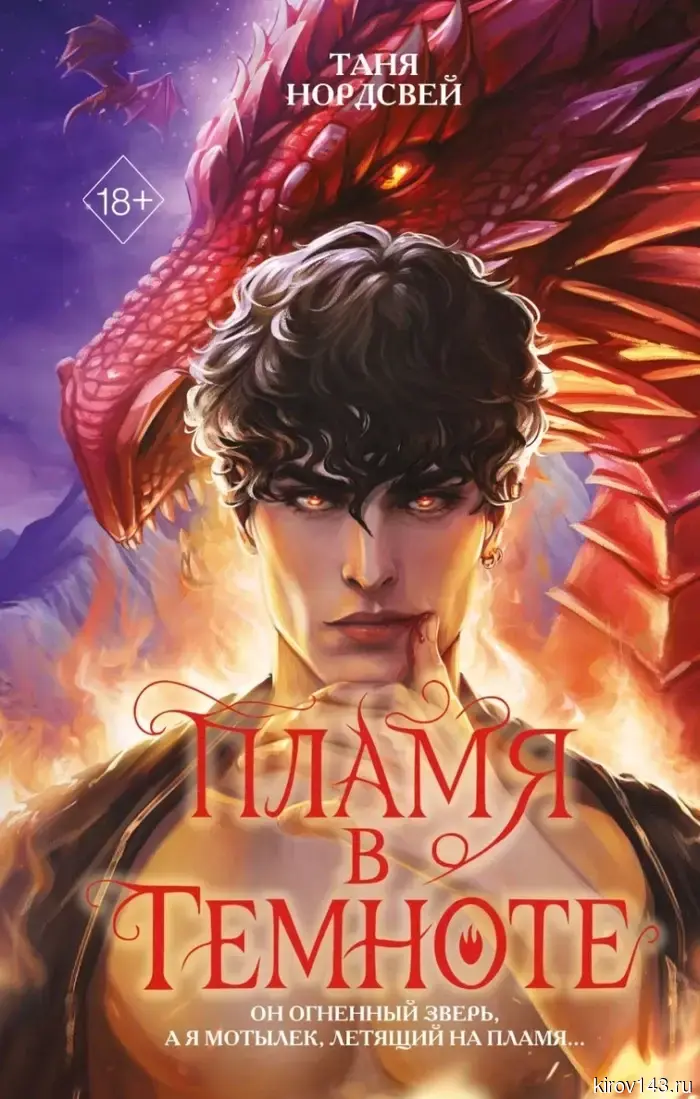
"Flame in the Dark": A Description of Puberty
Even picking up such a book, examining the cartoonish style of the cover (although visually the book is nice), the bright letters, and the languid subtitle under the title, you immediately somehow lower your critical degree regarding the content. It’s important to understand that despite the age restriction, the plot and narrative are definitely not aimed at people who have had the chance to get acquainted with "complex" fantasy, with a well-developed world, depth of characters, and logic — that is, at kids around 13 years old. Just at the moment when emotions and hormones begin to take over perception and you get acquainted with fanfics about Harry Potter. In short — I understood in advance what was waiting for me.
Style and Repetitions: When Reading is Possible, but You Want Less
And the expectations, I must say, were almost completely justified. I'll start with the good. The author really has a pleasant style. Yes, he sins with repetitions, primitive phrases like "he's so big and strong and can break me with his bare hands" (from this, of course, you catch Spanish shame), ten times per page, banal solutions like "suddenly everything went wrong" — a classic of the genre. But if you don't nitpick, it reads easily. For a teenage novel — absolutely fine. The pages turn themselves, even when nothing is happening. And by the way, nothing happens there for most of the time.
Five Hundred Pages of Desire and Not a Single Normal Dialogue
The plot, if retold, sounds like a joke: two beautiful people meet in a conditionally fantasy world, look into each other's eyes, describe muscles and hair color, and then really want each other. And so for 500 pages. Five hundred! Given that the whole story could have been condensed to 150-200 pages, leaving only the meeting, a few dialogues, and a scene at the end. There is just enough said about the world for the reader to understand: there is magic, there are some kinds of creatures. Details? Why bother. The genealogy of the heroes fits into two paragraphs for both, the rest — figure it out yourself. The conflict, which should be the driving force of the plot, dissolves somewhere between sighs and languid glances.
Characters — a separate pain. There are many of them, introduced with fanfare, and then they simply disappear or stand behind like living furniture. The heroine's friends? They appear a couple of times, say something approving. Enemies? They show up to create the illusion of danger and then evaporate immediately. The main characters are two descriptions of appearance and one desire for two. No development, no habits, except for "he clenched his jaw" and "she bit her lip."
"Flame in the Dark" is not a book about adventures. Not about the world, magic, or "difficult choices." It’s a book about puberty. Pure, unadulterated, with hormonal surges and a focus on one single thing. If you remove all the hints, sighs, and descriptions of how the hero's "veins bulge on his arms," only bare desire remains. And it becomes tiring somewhere around the hundredth page.
For its target audience — thirteen-year-old girls just discovering the genre, excited boys who like epic fights in the backdrop, and anyone who wants to read something light where love, sex, and adventures are in equal parts — welcome. Pleasant style, nice cover, but a mountain of emptiness inside. It’s readable if you close your eyes to everything except the main idea. And the idea there, to be honest, is one. And it’s not about saving the world.
Другие Новости Кирова (НЗК)
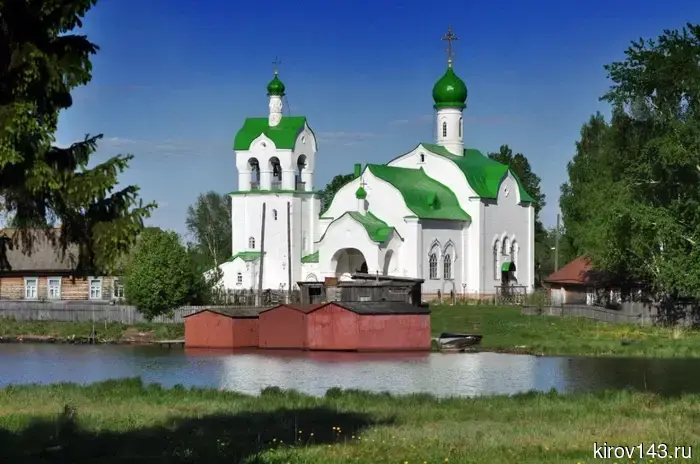 An electronic bell ringer will be installed at the bell tower of the Holy Trinity Cathedral.
An electronic bell control system will be installed on the bell tower of the Holy Trinity Cathedral in Omutninsk.
An electronic bell ringer will be installed at the bell tower of the Holy Trinity Cathedral.
An electronic bell control system will be installed on the bell tower of the Holy Trinity Cathedral in Omutninsk.
 Participants of the SVO will have up to 10 million rubles of debt on loans written off.
The speech is about overdue debt obligations.
Participants of the SVO will have up to 10 million rubles of debt on loans written off.
The speech is about overdue debt obligations.
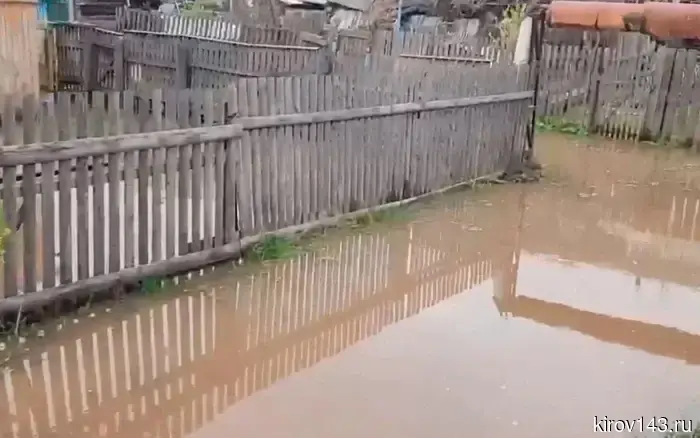 In Murygino, the water supply repair has begun on Bolshevik Street.
The administration of the Yuryansky district of the Kirov region reported the start of repair work.
In Murygino, the water supply repair has begun on Bolshevik Street.
The administration of the Yuryansky district of the Kirov region reported the start of repair work.
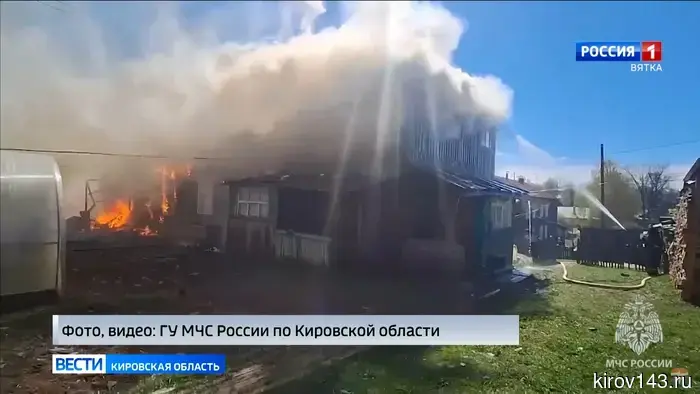 Анализ происшествий в Кировской области
В Кировской области произошло множество инцидентов. Суд присудил более 600 тысяч рублей несовершеннолетнему мотоциклисту за наезд на ребёнка, а в Суне злостный нарушитель правил дорожного движения был оштрафован. Телефонные мошенники обманули жителей региона, завладев миллионами рублей. Также зафиксирована серия пожаров: жилой дом сгорел в результате детской шалости.
Анализ происшествий в Кировской области
В Кировской области произошло множество инцидентов. Суд присудил более 600 тысяч рублей несовершеннолетнему мотоциклисту за наезд на ребёнка, а в Суне злостный нарушитель правил дорожного движения был оштрафован. Телефонные мошенники обманули жителей региона, завладев миллионами рублей. Также зафиксирована серия пожаров: жилой дом сгорел в результате детской шалости.
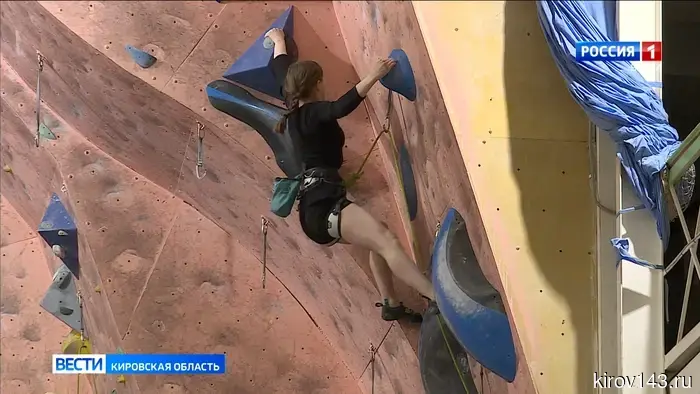 В Кирове состоялся областной чемпионат и первенство по скалолазанию.
Скалолазы снова решали задачи, предложенные проектировщиками маршрутов. Это происходило на областном Чемпионате и Первенстве, которые являются ключевыми событиями в сезоне. По результатам этих соревнований формируется областная сборная для участия в предстоящих всероссийских соревнованиях. Роман расскажет, каких результатов можно ожидать от команды.
В Кирове состоялся областной чемпионат и первенство по скалолазанию.
Скалолазы снова решали задачи, предложенные проектировщиками маршрутов. Это происходило на областном Чемпионате и Первенстве, которые являются ключевыми событиями в сезоне. По результатам этих соревнований формируется областная сборная для участия в предстоящих всероссийских соревнованиях. Роман расскажет, каких результатов можно ожидать от команды.
 Gemini don't need to raise their voices, while Cancer will be overwhelmed with small tasks.
Astrologers revealed what the upcoming workday of the week will be like for all zodiac signs.
Gemini don't need to raise their voices, while Cancer will be overwhelmed with small tasks.
Astrologers revealed what the upcoming workday of the week will be like for all zodiac signs.
"Flame in the Dark": A Description of Puberty
The wave of mad and blind love for youth/teen novels generates new "masterpieces" in literature and cinema almost every week. The book by young author Tanya Nordsvay, "Flame in the Dark" (18+), was released at the beginning of this year, and the impressions from it are, of course, extremely mixed.