

Almost every fifth resident of Kirov regrets trusting artificial intelligence.
Believing in machines when it comes to matters of the heart, health, and wallet is a practice that has already firmly established itself in Kirov. According to a survey, 43% of economically active city residents with experience using neural networks have at least once sought advice from AI on personal issues. However, the flip side of this technological trust is that 18% of respondents regretted following the machine's recommendations.
The gender disparity was significant. Among women who turned to neural networks, 23% admitted that they regretted heeding the "smart" suggestion. Men, in general, are more likely to ignore AI advice, but the study does not provide exact data on the proportion of regretful men.
Age and income also dictate their own rules. In the group under 35, 65% of respondents sought personal recommendations from artificial intelligence — the highest figure. Among Kirov residents over 45, only 32% did the same. As for income level, among residents earning up to 100,000 rubles, the proportion seeking AI advice is higher (58%) than among those earning from 150,000 (41%).
Interestingly, overall, 6 out of 10 respondents (60%) still follow the advice received from the neural network. At the same time, 42% do not feel regret, while 25% prefer to ignore machine suggestions. Another 14% found it difficult to assess the applicability of the recommendations, most often because they do not take them seriously.
The range of personal inquiries is incredibly broad. Most often, AI acts as a medical consultant: planning doctor visits, interpreting test results, clarifying treatment methods. But the neural network is also asked about choosing a haircut, motor oil, weight loss, and ways to refuse an annoying admirer. Serious topics also arise — professional development or strategies for reducing credit burden.
Другие Новости Кирова (НЗК)
 A bus passenger was injured in Kirov.
A 73-year-old woman fell and was injured.
A bus passenger was injured in Kirov.
A 73-year-old woman fell and was injured.
 В Кировской области для муниципалитетов были одобрены планы по вводу жилищного строительства.
В Кировской области для муниципалитетов были утверждены планы по строительству жилья.
В Кировской области для муниципалитетов были одобрены планы по вводу жилищного строительства.
В Кировской области для муниципалитетов были утверждены планы по строительству жилья.
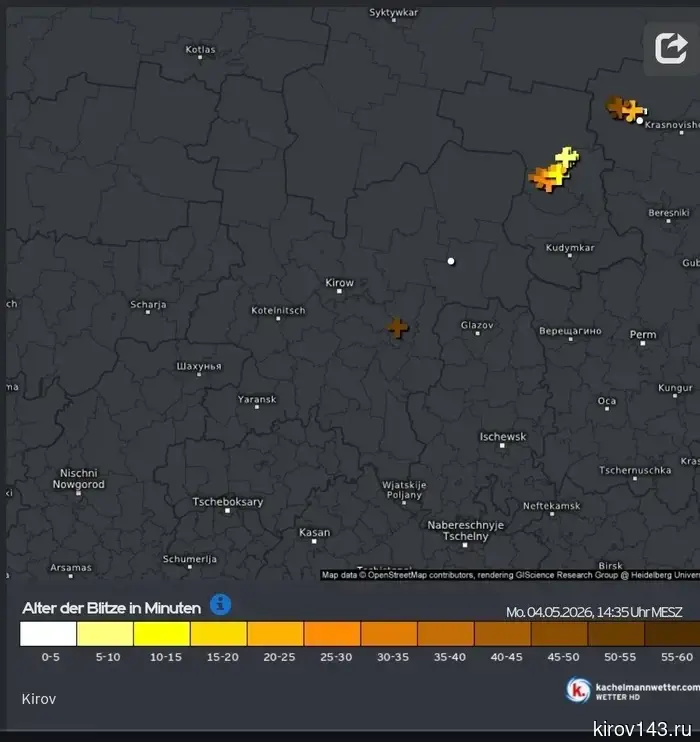 Thunderstorms bypassed Kirov in the Kirov region.
According to amateur meteorologists, yesterday, May 4, several areas of the region experienced active thunderstorms.
Thunderstorms bypassed Kirov in the Kirov region.
According to amateur meteorologists, yesterday, May 4, several areas of the region experienced active thunderstorms.
 The fire hazard season has started in Kirov.
From May 5, the fire hazard season has officially been established in the forests of the Kirov region.
The fire hazard season has started in Kirov.
From May 5, the fire hazard season has officially been established in the forests of the Kirov region.
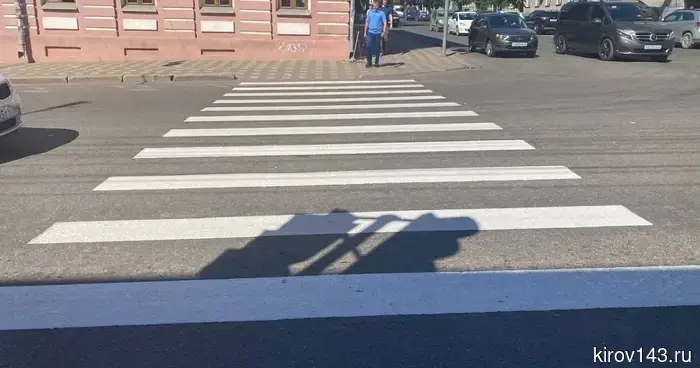 В Кирове планируется обновление дорожной разметки на сумму 130 миллионов рублей.
В Кирове планируют обновить дорожную разметку на сумму 130 миллионов рублей.
В Кирове планируется обновление дорожной разметки на сумму 130 миллионов рублей.
В Кирове планируют обновить дорожную разметку на сумму 130 миллионов рублей.
 Жители Кирова имеют возможность создать российские игрушки для всероссийского конкурса «Родная игрушка».
Запустился второй сезон Всероссийского конкурса «Родная игрушка», сообщили в правительстве области. Основная цель конкурса – поддержка производства оригинальных отечественных игр и игрушек, основанных на традиционных духовно-нравственных ценностях. По замыслу организаторов, продукция должна
Жители Кирова имеют возможность создать российские игрушки для всероссийского конкурса «Родная игрушка».
Запустился второй сезон Всероссийского конкурса «Родная игрушка», сообщили в правительстве области. Основная цель конкурса – поддержка производства оригинальных отечественных игр и игрушек, основанных на традиционных духовно-нравственных ценностях. По замыслу организаторов, продукция должна
Almost every fifth resident of Kirov regrets trusting artificial intelligence.
Residents of Kirov are increasingly comparing their personal problems with neural networks, but they pay for it with their nerves. A new study by SuperJob showed who is most disappointed with the algorithms and what they ask AI, forgetting about embarrassment.