

The key rate has been lowered for the eighth time: opinion
Let us remind you that today, April 24, the Bank of Russia lowered the key rate to 14.5% per annum. Previously, it was 15%. We reached out to an analyst with the question of whether this decision was expected, what it is related to, and what will happen to the key rate in the future. Olga Belenkaya, like another expert we spoke with earlier, believes that monetary policy (MP) will continue to soften, but not as quickly as initially expected. Accordingly, the key rate will not decrease significantly this year.
Olga Belenkaya, head of the macroeconomic analysis department at Finam Group:
"Against the backdrop of the eighth consecutive reduction of the key rate to 14.5% on April 24, the Bank of Russia demonstrated a cautious position, which, despite aligning with market expectations, suggests a somewhat slower easing of monetary policy this year and next. Although the regulator maintained a signal of readiness for possible further easing of monetary policy, linking it to inflation dynamics, inflation expectations, and external/internal risks, the macro forecast for the key rate for 2026-2027 has been revised upwards, and the rhetoric has become somewhat tougher.
The main reason for the increased rigidity of the forecasts was the lack of further reduction in stable inflation, which, according to the Central Bank's estimates, remains consistently within 4-5% SAAR (a measure characterizing the change in annual price growth rates without the influence of seasonal factors), resulting in inflation currently trending closer to the upper limit of the regulator's forecast for the end of the year (4.5-5.5%), as well as heightened uncertainty both globally and regarding the final parameters of the budget for this and the coming years.
The regulator has made it clear: pro-inflationary risks in the medium term still outweigh disinflationary ones. The main sources of these risks are the intensification of geopolitical tensions, leading to global price pressures, persistently high inflation expectations, and wage growth outpacing labor productivity. Disinflationary risks are only possible with a more noticeable slowdown in domestic demand.
Interestingly, this restrained tone comes against the backdrop of a noticeable improvement in the external economic situation: the forecast for the price of Urals oil for the current year has soared to $65 per barrel (up from $45), and the expected surplus of the current account for 2026 has been increased to $72 billion (up from $10 billion).
A particular role in the Central Bank's caution appears to be played by potential risks associated with budgetary policy. The regulator explained that while current budget parameters should contribute to reducing inflation, any significant increases in expenditures leading to a rise in the structural deficit will require a tighter monetary policy.
Although the forecast for money supply growth remained unchanged (5-10%), the Central Bank slightly adjusted down the forecast for credit growth (requirements for the economy) to 6-10% (previously 6-11%). This may indicate that the regulator is considering the possibility of an increased budget contribution to the money supply compared to the previous baseline forecast and, to compensate for this and avoid excessive growth of the money supply and inflation, may suggest slightly less room for expanding the credit portfolio, which, in turn, corresponds to a higher trajectory for the key rate in the forecast."
Другие Новости Кирова (НЗК)
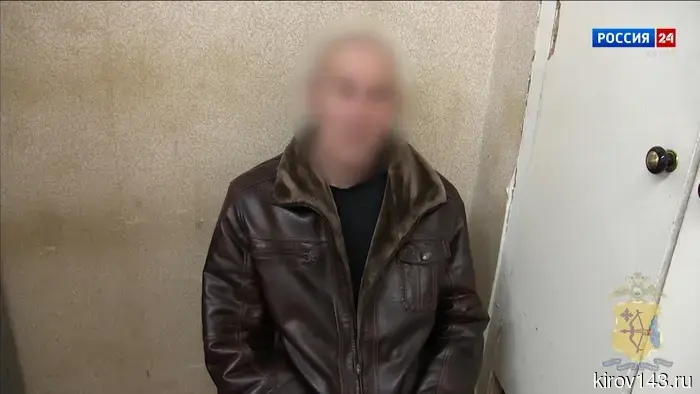 В Кирове был задержан 65-летний местный житель, который ограбил женщину.
В Кирове арестован 65-летний местный житель, подозреваемый в совершении грабежа. Инцидент произошел на улице Пугачева. Преступник незаметно подошел к женщине, идущей по улице, вырвал у нее сумку и скрылся. Потерпевшая оценила причиненный ущерб в одну тысячу рублей. Возбуждено уголовное дело.
В Кирове был задержан 65-летний местный житель, который ограбил женщину.
В Кирове арестован 65-летний местный житель, подозреваемый в совершении грабежа. Инцидент произошел на улице Пугачева. Преступник незаметно подошел к женщине, идущей по улице, вырвал у нее сумку и скрылся. Потерпевшая оценила причиненный ущерб в одну тысячу рублей. Возбуждено уголовное дело.
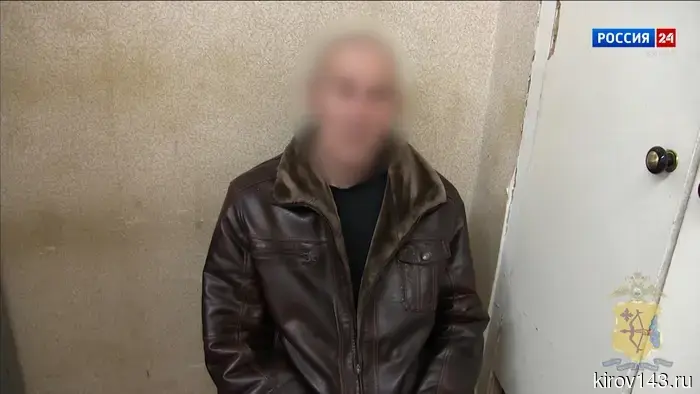 На ГТРК «Вятка» в эфире появится программа «Вектор безопасности».
С начала года в этом регионе зафиксировано 20 дорожных происшествий с участием водителей в состоянии алкогольного опьянения. В результате этих ДТП погибло 4 человека, а 32 человека получили травмы. Сотрудники Госавтоинпекции подчеркивают, что такие аварии чаще осуществляют мужчины-водители. В рамках тематической программы «Вектор»
На ГТРК «Вятка» в эфире появится программа «Вектор безопасности».
С начала года в этом регионе зафиксировано 20 дорожных происшествий с участием водителей в состоянии алкогольного опьянения. В результате этих ДТП погибло 4 человека, а 32 человека получили травмы. Сотрудники Госавтоинпекции подчеркивают, что такие аварии чаще осуществляют мужчины-водители. В рамках тематической программы «Вектор»
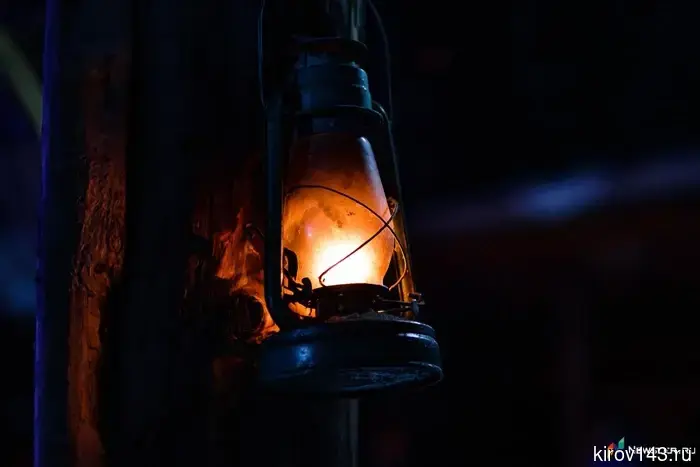 The electricity has been turned off in the area of the Central Hotel.
Today in Kirov, there was a large-scale power outage near the Central Hotel.
The electricity has been turned off in the area of the Central Hotel.
Today in Kirov, there was a large-scale power outage near the Central Hotel.
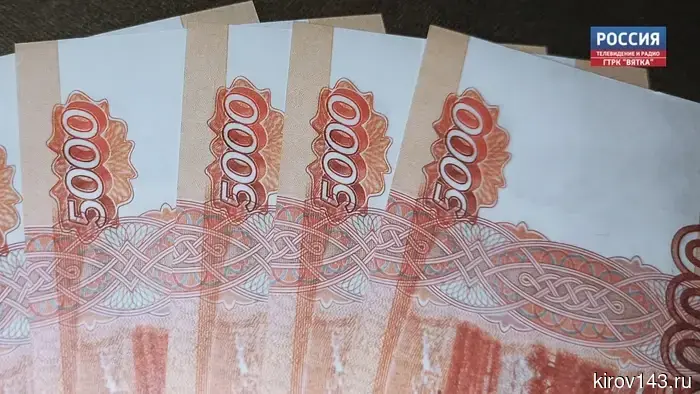 Изменились правила приобретения товаров в рассрочку в России.
Сотрудники Управления Роспотребнадзора Кировской области напомнили, что с 1 апреля начал действовать Федеральный закон от 31.07.2025 № 283-ФЗ «О деятельности по предоставлению сервиса рассрочки», который регулирует работу операторов сервисов рассрочки и защищает права потребителей. Государство стало
Изменились правила приобретения товаров в рассрочку в России.
Сотрудники Управления Роспотребнадзора Кировской области напомнили, что с 1 апреля начал действовать Федеральный закон от 31.07.2025 № 283-ФЗ «О деятельности по предоставлению сервиса рассрочки», который регулирует работу операторов сервисов рассрочки и защищает права потребителей. Государство стало
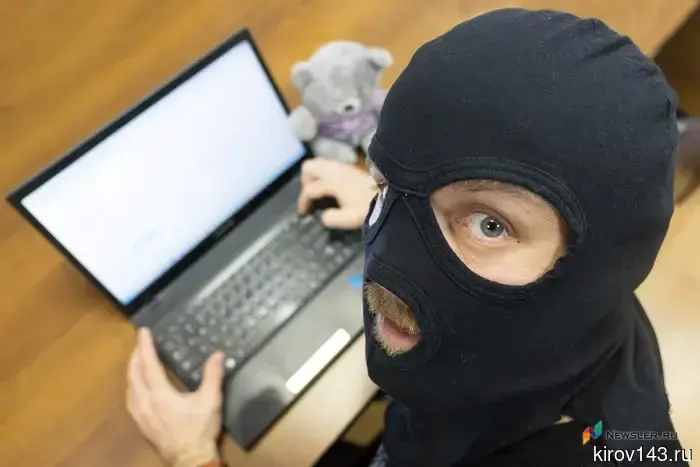 Fraudsters are calling Kirov entrepreneurs on behalf of officials.
The regional ministry of industry and trade warned that unknown individuals are posing as Deputy Prime Minister Denis Pestrykov or Minister Yevgeny Sokolov to extort money and personal data from businesspeople.
Fraudsters are calling Kirov entrepreneurs on behalf of officials.
The regional ministry of industry and trade warned that unknown individuals are posing as Deputy Prime Minister Denis Pestrykov or Minister Yevgeny Sokolov to extort money and personal data from businesspeople.
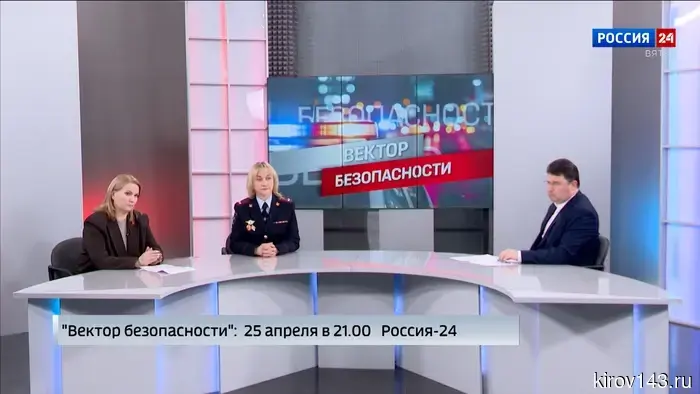 На ГТРК «Вятка» состоится выпуск программы «Вектор безопасности».
С начала текущего года в регионе было зафиксировано 20 ДТП с участием пьяных водителей. В этих происшествиях погибли 4 человека, а 32 получили травмы. По словам сотрудников Госавтоинпекции, такие аварии чаще всего происходят по вине мужчин-водителей. В рамках специализированной программы «Вектор»
На ГТРК «Вятка» состоится выпуск программы «Вектор безопасности».
С начала текущего года в регионе было зафиксировано 20 ДТП с участием пьяных водителей. В этих происшествиях погибли 4 человека, а 32 получили травмы. По словам сотрудников Госавтоинпекции, такие аварии чаще всего происходят по вине мужчин-водителей. В рамках специализированной программы «Вектор»
The key rate has been lowered for the eighth time: opinion
The analyst explained what will happen with monetary policy moving forward.