
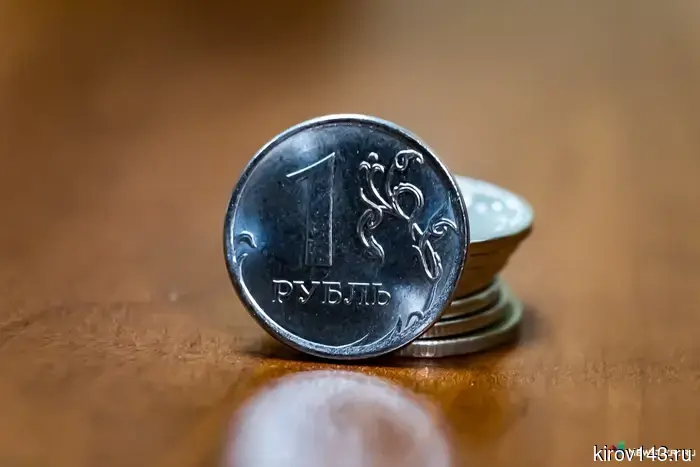
Analyst on the key rate: the decline will continue
On Friday, April 24, the Board of Directors of the Bank of Russia decided to lower the key rate to 14.5% per annum. Previously, it was 15%. We reached out to an analyst with the question of whether he expected such a decision, what it is related to, and what will happen to the key rate next.
Vladimir Chernov, analyst at Freedom Finance Global:
"Yes, we expected exactly a reduction of the key rate by 50 basis points, to 14.5% per annum. At the same time, after two weeks of almost zero weekly inflation according to Rosstat, it could not be completely ruled out that a broader step in easing the monetary policy of the Central Bank could be taken. From April 7 to April 13, prices did not increase, and from April 14 to April 20, they added only 0.01%. However, the high risks of a surge in global inflation due to the situation in the Middle East, still elevated inflation expectations among the population and businesses, as well as the traditional caution of the Bank of Russia led us to the basic scenario of a 50 basis point reduction.
The rate needed to be lowered because current inflation has noticeably slowed down. For two consecutive weeks, price growth was around zero. From the beginning of April to April 20, prices increased by only 0.18%, since the beginning of the year by 3.16%, and annual inflation slowed to about 5.7%. This aligns with the Bank of Russia's forecast for inflation to return to 4% by 2027 and gives the regulator room for cautious easing of monetary policy.
An additional disinflationary factor remains the strong ruble. It reduces price pressure through the cost of imported goods, equipment, components, and parts of the consumer basket. Inflation expectations among the population also decreased from 13.4% in March to 12.9% in April, but this level is still very high. Among businesses, price expectations in April changed little, although they were below the average levels of 2025 and the first quarter of 2026. Therefore, the Central Bank did not have enough grounds to lower the rate immediately by 100 basis points.
The main limitation for a stronger step is inflationary risks. The Central Bank itself has directly indicated that there is significant uncertainty due to external conditions and budgetary policy, and pro-inflationary risks still outweigh disinflationary ones. Therefore, the decision on 50 basis points appears to be a compromise between the actual slowdown in inflation and the regulator's reluctance to give the market a soft signal too early. The Central Bank has repeatedly stated that it will closely monitor the sustainability of the disinflationary trend, and it is premature to call it so based on just two weeks, and the risks of a surge in global inflation are only increasing.
Most likely, the Central Bank will continue to lower the rate in 2026. This is the scenario we expect at the June meeting. In May, seasonal disinflationary factors usually strengthen. Vegetables, some fruits, and certain food items become cheaper. If weekly inflation remains around zero, and the ruble does not experience a sharp depreciation, the Central Bank will have room for another step of 50-100 basis points.
However, a rapid cycle of rate reductions now seems less likely. The forecast for the key rate has been tightened. The Central Bank now expects an average rate of 14-14.5% in 2026 compared to the previous 13.5-14.5%, and for 2027, the range has been raised to 8-10% compared to the previous 8-9%. This means that the rate reduction will continue, but the regulator will move slowly and with regard to inflation expectations, the budget, the ruble, and the external environment."
Другие Новости Кирова (НЗК)
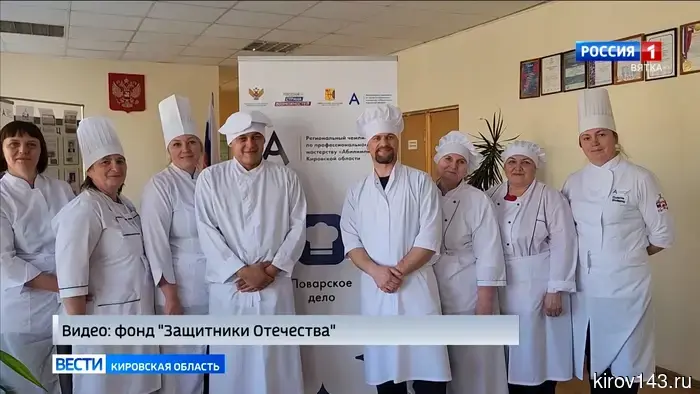 Ветераны СВО стали участниками регионального чемпионата «Абилимпикс».
В Кировской области проводится девятый Региональный чемпионат «Абилимпикс». В этом году участники состязаются в семи востребованных компетенциях. Чемпионат содействует людям с ограниченными возможностями здоровья в раскрытии их профессионального потенциала. С 2025 года в нем появится отдельное направление —
Ветераны СВО стали участниками регионального чемпионата «Абилимпикс».
В Кировской области проводится девятый Региональный чемпионат «Абилимпикс». В этом году участники состязаются в семи востребованных компетенциях. Чемпионат содействует людям с ограниченными возможностями здоровья в раскрытии их профессионального потенциала. С 2025 года в нем появится отдельное направление —
 Фонд Ремонтного Программы Кировской области возглавил Евгений Торопов.
ФРП Кировской области возглавил Евгений Торопов.
Фонд Ремонтного Программы Кировской области возглавил Евгений Торопов.
ФРП Кировской области возглавил Евгений Торопов.
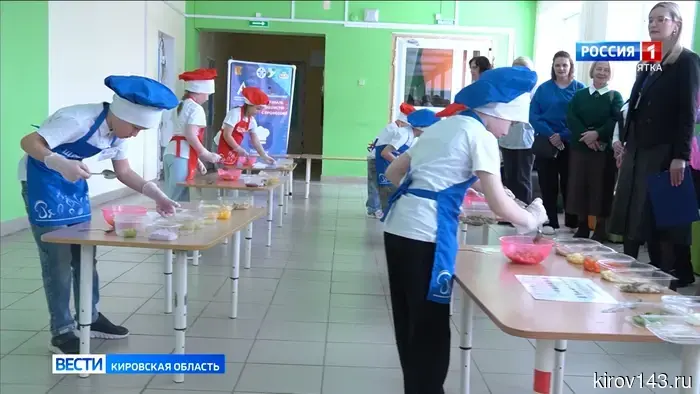 В Кирово-Чепецке состоялся фестиваль «Знакомство с профессиями».
В Кирово-Чепецке состоялся фестиваль "Знакомство с профессиями". Участниками мероприятия стали дошкольники, которые впечатлили членов жюри своими знаниями о профессиях строителя, дизайнера и повара. Фестиваль был организован в рамках Национального чемпионата «Абилимпикс». С места событий - репортаж Юлии.
В Кирово-Чепецке состоялся фестиваль «Знакомство с профессиями».
В Кирово-Чепецке состоялся фестиваль "Знакомство с профессиями". Участниками мероприятия стали дошкольники, которые впечатлили членов жюри своими знаниями о профессиях строителя, дизайнера и повара. Фестиваль был организован в рамках Национального чемпионата «Абилимпикс». С места событий - репортаж Юлии.
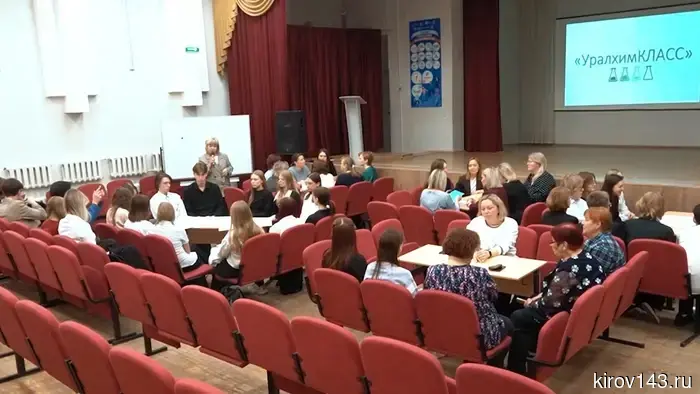 Schools in Kirovo-Chepetsk are actively preparing for the "UralchemCLASS" competition.
The grant competition for educational projects "UralchemCLASS" continues in Kirovo-Chepetsk, established by the branch "KCHHK" of JSC "OHC "Uralchem" and the administration of the city of Kirovo-Chepetsk. Schools in the city and the "Kirov Cadet Corps" are participating in it.
Schools in Kirovo-Chepetsk are actively preparing for the "UralchemCLASS" competition.
The grant competition for educational projects "UralchemCLASS" continues in Kirovo-Chepetsk, established by the branch "KCHHK" of JSC "OHC "Uralchem" and the administration of the city of Kirovo-Chepetsk. Schools in the city and the "Kirov Cadet Corps" are participating in it.
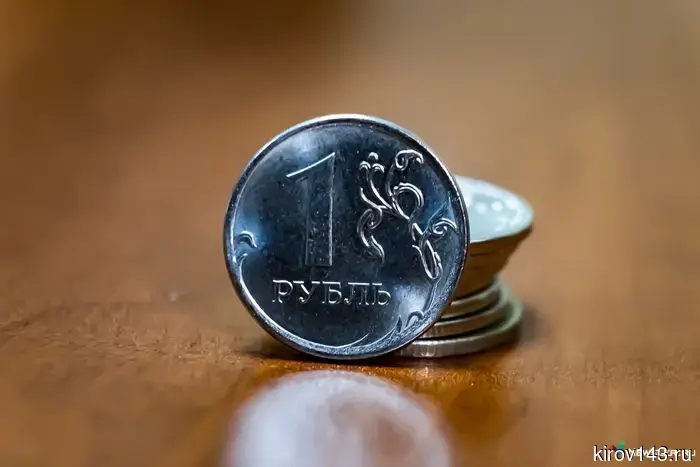 Analyst on the key rate: the decline will continue
The expert commented on the regulator's decision.
Analyst on the key rate: the decline will continue
The expert commented on the regulator's decision.
 Бизнес обеспечит трудоустройство участников СВО в соответствии с квотой.
Бизнес возьмет на работу участников СВО в соответствии с квотой.
Бизнес обеспечит трудоустройство участников СВО в соответствии с квотой.
Бизнес возьмет на работу участников СВО в соответствии с квотой.
Analyst on the key rate: the decline will continue
The expert commented on the regulator's decision.