
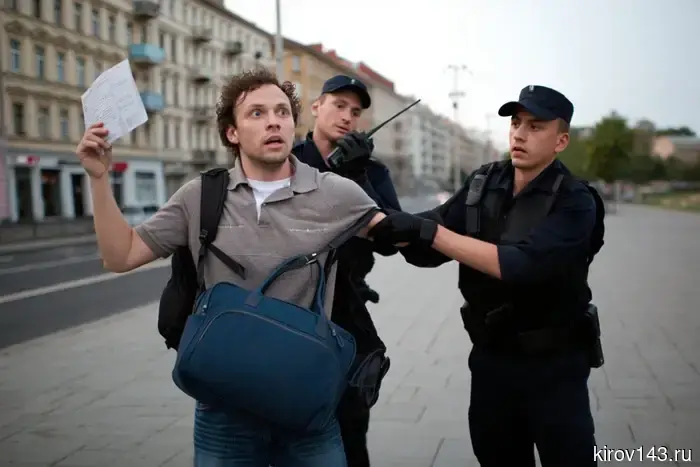
The Russian Foreign Ministry warned Russians about the risk of arrests abroad at the request of the United States.
The Russian Ministry of Foreign Affairs has issued a warning for citizens planning to travel abroad. The reason is the increased threat of detention or arrest at the request of law enforcement agencies and U.S. intelligence services in third countries, as reported on the agency's website.
As noted by the Ministry, this practice began in 2008 when Russian entrepreneur Viktor Bout was detained in Thailand at the request of the Americans and subsequently extradited to the U.S. Over the past 20 years, more than 100 Russians have fallen victim to this, being detained outside of Russia and subsequently extradited to America. Due to numerous extraterritorial sanctions, Russians who are unaware of the situation may also be at risk.
What to do and which countries are dangerous
The agency strongly recommends that citizens who have reason to believe they are targets of criminal prosecution by U.S. authorities or are on sanction lists avoid traveling to countries that have extradition treaties with America. This even applies to layovers at airports.
The list of countries with an increased risk of detentions: It is particularly noted that U.S. intelligence services often use fraudulent schemes: Russians are lured abroad with attractive commercial or tourist offers. Upon arrival in a country with an extradition treaty with the U.S., they are detained by local authorities for further transfer to American jurisdiction. Stopping this process, according to the Ministry, is extremely difficult. The ministry also reminds that before traveling, it is necessary to have the coordinates and contacts of Russian diplomatic missions abroad.
Другие Новости Кирова (НЗК)
 В Кирове завершились демонстрации танцевальных спектаклей в рамках Арт-платформы современного искусства P`LAST.
В Кирове завершились показы танцевальных спектаклей, организованных в рамках Арт-платформы современного искусства ПЛАСТ. На сцене выступили взрослые артисты из различных городов России, представив зрителям семь постановок, в числе которых работы с участием хореографов мирового масштаба. Репортаж Дарьи Якименко. Без излишнего пафоса и вычурности.
В Кирове завершились демонстрации танцевальных спектаклей в рамках Арт-платформы современного искусства P`LAST.
В Кирове завершились показы танцевальных спектаклей, организованных в рамках Арт-платформы современного искусства ПЛАСТ. На сцене выступили взрослые артисты из различных городов России, представив зрителям семь постановок, в числе которых работы с участием хореографов мирового масштаба. Репортаж Дарьи Якименко. Без излишнего пафоса и вычурности.
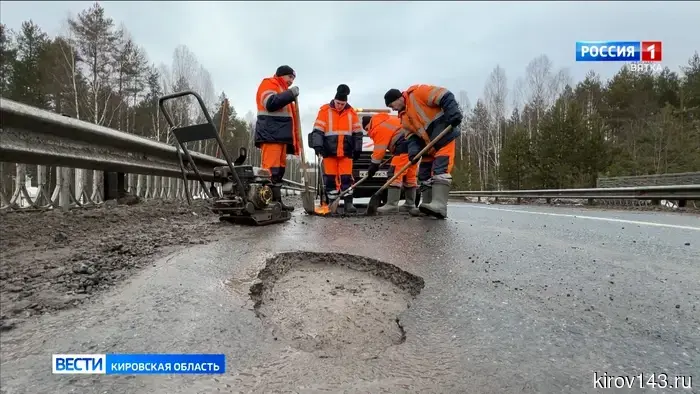 Анализ новостей города Кирова и прилегающих районов области.
Из Кирова в Пермь запустят автобусные рейсы. Первого мая в областной столице начнется летний туристический сезон. Сотрудники лесной охраны региона подготовились к пожароопасному периоду. Все подробности можно найти в нашем новостном обзоре. В Кировской области продолжается ямочный ремонт дорог. Подрядчики уже выполнили...
Анализ новостей города Кирова и прилегающих районов области.
Из Кирова в Пермь запустят автобусные рейсы. Первого мая в областной столице начнется летний туристический сезон. Сотрудники лесной охраны региона подготовились к пожароопасному периоду. Все подробности можно найти в нашем новостном обзоре. В Кировской области продолжается ямочный ремонт дорог. Подрядчики уже выполнили...
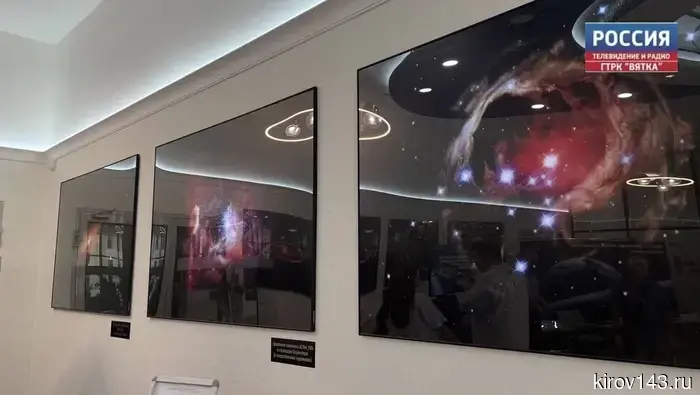 Ученики Кировской области могут подать свои работы на конкурс «Космос в кадре».
С 6 апреля в рамках межведомственного культурно-образовательного проекта «Культура для школьников» начинает свою работу акция «Космос в кадре», как сообщает министерство культуры региона. Она предназначена для популяризации истории космонавтики среди детей и подростков. Участникам будет предложено создать видео- или анимационный...
Ученики Кировской области могут подать свои работы на конкурс «Космос в кадре».
С 6 апреля в рамках межведомственного культурно-образовательного проекта «Культура для школьников» начинает свою работу акция «Космос в кадре», как сообщает министерство культуры региона. Она предназначена для популяризации истории космонавтики среди детей и подростков. Участникам будет предложено создать видео- или анимационный...
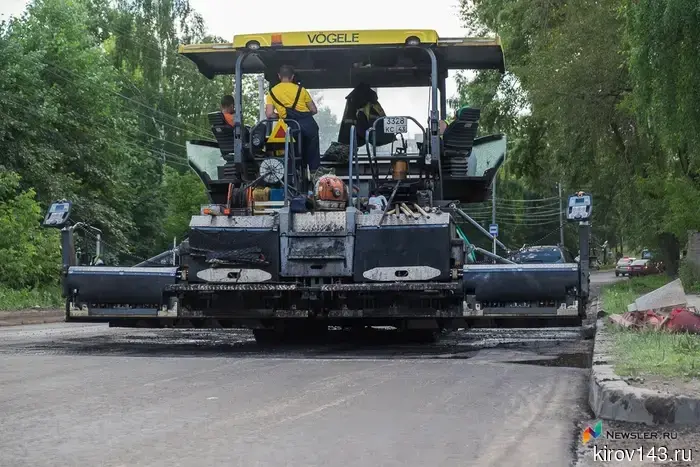 In Kirovo-Chepetsk, an unknown person will repair 1.5 kilometers of roads for 42 million.
Four areas on Parkovaya, Engelsa, Lenina streets and Sadovoy Lane will be put in order in the city.
In Kirovo-Chepetsk, an unknown person will repair 1.5 kilometers of roads for 42 million.
Four areas on Parkovaya, Engelsa, Lenina streets and Sadovoy Lane will be put in order in the city.
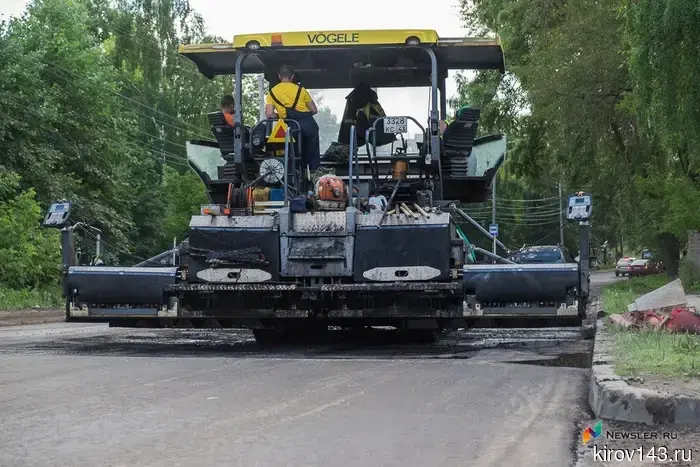 In Kirovo-Chepetsk, an unknown person will repair 1.5 kilometers of roads for 42 million.
Four areas on Parkovaya, Engelsa, Lenina streets, and Sadovy Lane will be put in order in the city.
In Kirovo-Chepetsk, an unknown person will repair 1.5 kilometers of roads for 42 million.
Four areas on Parkovaya, Engelsa, Lenina streets, and Sadovy Lane will be put in order in the city.
 Пришло время пробуждения медведей: ключевые правила безопасности.
Весна является временем пробуждения для медведей. В этот период изменяется поведение хищников, поэтому крайне важно знать, как защитить себя, отметили в министерстве лесного хозяйства Кировской области. Правила поведения при встрече с медведем: если медведя слышно, но не видно, следует попытаться покинуть его территорию.
Пришло время пробуждения медведей: ключевые правила безопасности.
Весна является временем пробуждения для медведей. В этот период изменяется поведение хищников, поэтому крайне важно знать, как защитить себя, отметили в министерстве лесного хозяйства Кировской области. Правила поведения при встрече с медведем: если медведя слышно, но не видно, следует попытаться покинуть его территорию.
The Russian Foreign Ministry warned Russians about the risk of arrests abroad at the request of the United States.
Since 2008, more than a hundred compatriots have fallen victim to the "hunt" of American intelligence agencies, who were extradited to the United States, the ministry reports.