
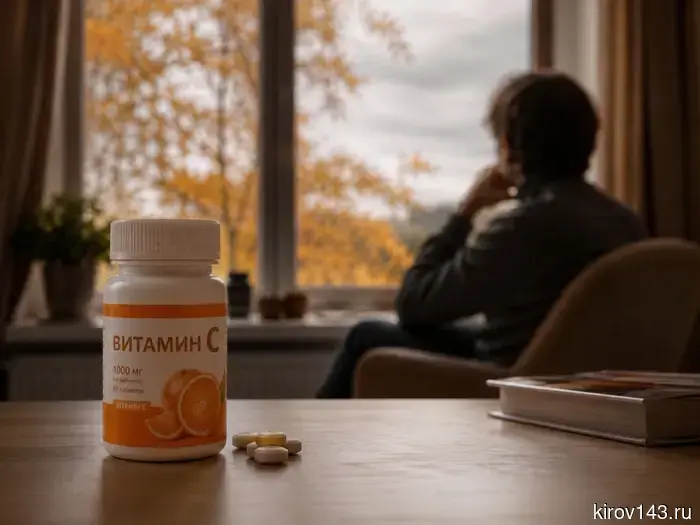
High doses of vitamin C can pose a threat to the kidneys.
In autumn, pharmacy shelves are filled with packages of effervescent vitamin C in dosages that exceed the daily norm by several times. A 1000 mg tablet is now not uncommon, but rather a standard offering. But are these "shock doses" as beneficial as marketing convinces us they are?
The physiological need for an adult is significantly more modest. Men need about 90 mg per day, while women need around 70 mg. This norm can easily be met with a regular diet: just eat a bell pepper, a serving of broccoli, or a handful of black currants. The upper acceptable level, according to international recommendations, is 2000 mg per day—and exceeding it without a doctor's supervision is not advisable.
The main feature of vitamin C is that it is water-soluble. The body does not make strategic reserves of it. Absorption occurs through intestinal transport systems, which quickly become saturated. At a dose of 200 mg, nearly the entire volume is absorbed, while at around a gram, less than half is absorbed. The remainder is excreted in urine, and the concentration of vitamin in plasma reaches a ceiling and does not increase further. Simply put, additional intake does not create "super protection," but only burdens the excretory system.
The main danger to the kidneys is that excess ascorbic acid is metabolized into oxalates. These compounds are excreted by the kidneys, and with prolonged abuse of high doses, the risk of forming oxalate stones increases. Men, patients with already diagnosed urolithiasis, and those with reduced kidney function should be particularly cautious. For them, mega doses are a direct contraindication without medical supervision.
In addition to the kidneys, the gastrointestinal tract can also suffer. Doses above two grams often provoke nausea, bloating, cramps, and diarrhea. Ascorbic acid irritates the mucosa, especially on an empty stomach, which is dangerous for people with gastritis or reflux. One should not forget about tooth enamel: soluble and chewable forms with high acidity gradually destroy it with daily intake.
The influence on laboratory diagnostics deserves special attention. Being a strong reducing agent, ascorbic acid at high concentrations interferes with the chemical reactions underlying many tests. The result is a false-negative stool test for hidden blood, distorted urine indicators for glucose, bilirubin, and nitrites, as well as inaccuracies in the operation of home glucometers. Therefore, doctors recommend stopping the intake of high-dose forms at least a day before tests.
Experts agree: vitamin C is necessary daily, but in amounts that the body can utilize. Everything extra is simply excreted. In autumn, it is wiser not to increase doses randomly but to pay attention to those deficiencies that are truly common in our latitudes and are asymptomatic—vitamin D, iron, vitamin B12.
The key principle remains unchanged: before buying supplements, it is worth obtaining objective data and discussing them with a doctor. Mega doses of vitamin C purchased "just in case" are not health insurance but rather a reason to think.
Другие Новости Кирова (НЗК)
 Sokolov prayed for the Kirov region.
The governor, along with the residents of Kirov, laid flowers at the Eternal Flame.
Sokolov prayed for the Kirov region.
The governor, along with the residents of Kirov, laid flowers at the Eternal Flame.
 В России празднуется День завершения Второй мировой войны.
Сегодня в России празднуется День Победы над милитаристской Японией, ознаменовывающий завершение Второй мировой войны. 81 год назад был подписан Акт о капитуляции Японии, который стал завершающим аккордом в самой разрушительной войне в истории человечества. Памятные события сегодня также состоятся в Кировской области. Например, в
В России празднуется День завершения Второй мировой войны.
Сегодня в России празднуется День Победы над милитаристской Японией, ознаменовывающий завершение Второй мировой войны. 81 год назад был подписан Акт о капитуляции Японии, который стал завершающим аккордом в самой разрушительной войне в истории человечества. Памятные события сегодня также состоятся в Кировской области. Например, в
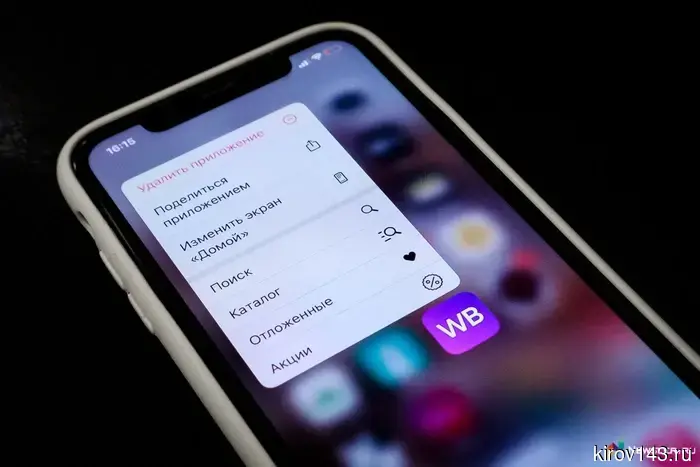 Kirov residents have been warned about a new scam scheme involving the Wildberries and Ozon apps.
Fraudsters are spreading rumors about dangerous updates and the transition to payments in digital rubles to gain access to user data.
Kirov residents have been warned about a new scam scheme involving the Wildberries and Ozon apps.
Fraudsters are spreading rumors about dangerous updates and the transition to payments in digital rubles to gain access to user data.
 В Преображенском монастыре стартовал ремонт северо-западного корпуса, включая церковь.
На территории Преображенского монастыря начались ожидаемые изменения! Запустились работы по восстановлению исторического здания — северо-западного корпуса. Репортаж Анастасии Елсуковой. АНАСТАСИЯ ЕЛСУКОВА: «Преображенский монастырь — духовный центр и архитектурное украшение Вятки. Его 400-летняя...
В Преображенском монастыре стартовал ремонт северо-западного корпуса, включая церковь.
На территории Преображенского монастыря начались ожидаемые изменения! Запустились работы по восстановлению исторического здания — северо-западного корпуса. Репортаж Анастасии Елсуковой. АНАСТАСИЯ ЕЛСУКОВА: «Преображенский монастырь — духовный центр и архитектурное украшение Вятки. Его 400-летняя...
 В Санкт-Петербурге пройдет демонстрация документального фильма, созданного Мариной Дохматской.
9 сентября в Президентской библиотеке имени Б. Н. Ельцина в Санкт-Петербурге пройдет показ документального фильма «Память сердца» (1993) режиссера Марины Дохматской. Об этом сообщила библиотека имени Герцена в Кирове. Фильм предоставлен ГТРК «Вятка» и посвящен теме эвакуации.
В Санкт-Петербурге пройдет демонстрация документального фильма, созданного Мариной Дохматской.
9 сентября в Президентской библиотеке имени Б. Н. Ельцина в Санкт-Петербурге пройдет показ документального фильма «Память сердца» (1993) режиссера Марины Дохматской. Об этом сообщила библиотека имени Герцена в Кирове. Фильм предоставлен ГТРК «Вятка» и посвящен теме эвакуации.
 В образовательных учреждениях Кировской области начали проводить оценку поведения учащихся.
В школах Кировской области начали проводить оценку поведения учащихся.
В образовательных учреждениях Кировской области начали проводить оценку поведения учащихся.
В школах Кировской области начали проводить оценку поведения учащихся.
High doses of vitamin C can pose a threat to the kidneys.
With the onset of cold weather, the popularity of high doses of ascorbic acid skyrockets. However, medical professionals remind us that the body cannot store this vitamin, and its excess is not only useless but also poses direct health risks — up to the formation of kidney stones and distortion of test results.