
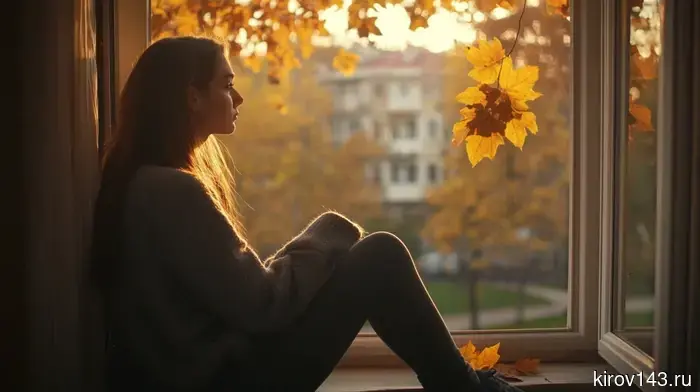
The end of summer is like a small sorrow: a psychologist explained why melancholy is normal.
Why the end of summer affects us so much
As clinical psychologist Alexander Votintsev from the "Sovermed" medical centers explains, for many, summer is not just a season but a time when life seems to become easier: more sunshine, more freedom, more spontaneity. For schoolchildren and students, it means vacations; for adults, it means holidays, trips, long walks, and the opportunity to see loved ones more often. When summer ends, the familiar source of joy and relaxation goes away with it.
"From a psychological perspective, such nostalgia is a normal reaction to the loss of a familiar state. The psyche perceives it as a small grief: we say goodbye to what brought us pleasure, and we are not yet accustomed to the new rhythm. Therefore, sadness at the beginning of autumn is not a sign of weakness but a part of adaptation," explained Alexander Votintsev.
What happens in the body
The change of seasons affects not only emotions but also physiology. As the daylight shortens, circadian rhythms—our internal "clocks"—change. This can lead to a decrease in serotonin production (often called the "happiness hormone") and an increase in melatonin production (the sleep hormone). As a result, drowsiness, fatigue, and a more vulnerable mood can occur.
For some people, these changes are more pronounced: in psychiatry and clinical psychology, there is a term for this called "seasonal affective disorder" (SAD). However, only a specialist can make such a diagnosis, assessing not just sadness but a whole complex of symptoms and their cyclicity from year to year.
When nostalgia is just sadness, and when to be cautious
A psychologist helps differentiate between a normal emotional reaction and a state that requires support. Here are some simple guidelines:
Normal nostalgia for summer: sadness comes and goes, you still find joy in simple things—a meeting with a friend, a delicious dinner, your favorite music. Sleep, appetite, and productivity are hardly affected. Mood can improve from a small event—like a walk or watching a good movie.
A state that requires attention: sadness lasts more than two weeks, nothing brings joy (in psychology, this is called anhedonia), fatigue, sleep and appetite disturbances, thoughts of one's uselessness or hopelessness appear. Everyday life suffers greatly: it's hard to study, work, communicate, or even do simple household tasks.
In international disease classifications (ICD-11, DSM-5), the term "more than two weeks" is a guideline rather than a strict boundary. It is more important to look at the combination of duration, severity of symptoms, and the degree of impact on life.
Where the feeling "summer was perfect, and now everything is bad" comes from
Sometimes nostalgia is related not so much to the season as to expectations. We plan for an "ideal summer" in advance, and then feel disappointment if reality does not match the picture from social media or our own fantasies. This can intensify sadness and the feeling that "everything has gone wrong."
Another common factor is the abrupt transition to routine. After a period of freedom and relaxation, returning to a strict schedule feels like a loss. In such moments, the psyche reacts with stress, which manifests as depression and apathy.
Practical tips from a psychologist
If nostalgia for summer interferes with your life, don’t try to "force yourself to be happy." Alexander Votintsev advises: it’s better to act through gentle, understandable steps:
Support basic needs. Regular sleep, balanced nutrition, and moderate physical activity (at least daily walks) help the nervous system cope with stress.
Maintain "summer" rituals. If you enjoyed evening walks in the summer—continue, even if it’s cool outside. If you drank tea on the balcony—make it a habit in autumn too. Familiar pleasant actions reduce the feeling of complete loss.
Plan small joys. Anticipating a good event (going to the movies, meeting friends, a weekend trip) serves as an emotional anchor.
Allow yourself to feel sad. Acknowledge: "I feel sad right now because summer is over." This reduces internal tension and helps you process the emotion more quickly.
Keep a mood diary. Write down how you feel each day and what influences it (sleep, weather, events). This helps you see patterns and understand yourself better.
Lower your expectations. If it seems that "autumn should be productive," but you have no energy—allow yourself a period of adaptation. Productivity will return when your body and psyche get used to the new rhythm.
How to support a loved one
If someone close to you is struggling with the end of summer, the most valuable thing is not to devalue their feelings. Instead of saying "oh come on, it’s just autumn," try:
"I hear that you’re having a tough time right now. What do you miss most about the summer that has passed?"
"Do you want to just sit and drink tea without talking?"
Gently offer help: "If you want, we can come up with ways to make autumn more enjoyable together."
If you notice that the person is becoming more withdrawn, losing interest in life, sleeping poorly, or talking about hopelessness—gently and kindly suggest seeking help from a psychologist.
Is there anything good in autumn sadness? Psychologist Alexander Votintsev explains: sometimes a light sadness for the summer that has passed is a form of gratitude for good moments. It reminds us: summer was here, it brought joy, and that remains with us in memories. Moreover, such nostalgia can prompt reflection: what is missing now? Where can I find new sources of pleasure and meaning? Autumn can be seen not only as an "end" but also as a "new beginning."
Другие Новости Кирова (НЗК)
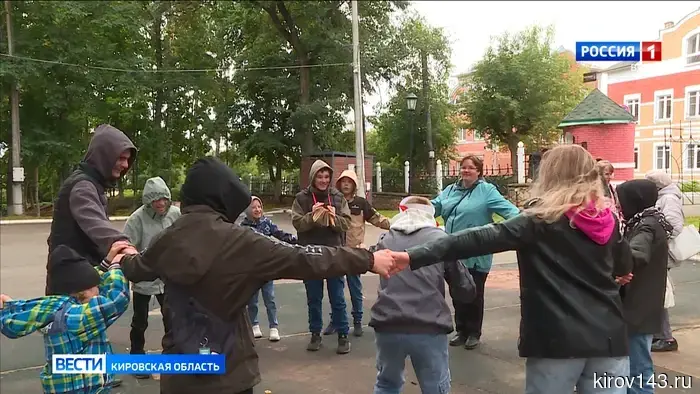 В Кирове в парке Аполло прошел благотворительный праздник под названием «Здравствуй, школа».
В преддверии нового учебного года в Кирове в парке Аполло прошёл благотворительный праздник "Здравствуй, школа". Это мероприятие стало ежегодной инициативой Кировского отделения российского детского фонда. В парк пришли дети из многодетных и приёмных семей, а также дети участников СВО и дети с инвалидностью. Главной
В Кирове в парке Аполло прошел благотворительный праздник под названием «Здравствуй, школа».
В преддверии нового учебного года в Кирове в парке Аполло прошёл благотворительный праздник "Здравствуй, школа". Это мероприятие стало ежегодной инициативой Кировского отделения российского детского фонда. В парк пришли дети из многодетных и приёмных семей, а также дети участников СВО и дети с инвалидностью. Главной
 A 14-year-old teenager was injured in a traffic accident near Slobodskoy.
The accident occurred on the evening of August 28 on the federal highway. The driver of the "Lada" and a 14-year-old passenger on the motorcycle were injured.
A 14-year-old teenager was injured in a traffic accident near Slobodskoy.
The accident occurred on the evening of August 28 on the federal highway. The driver of the "Lada" and a 14-year-old passenger on the motorcycle were injured.
 In Kirov, they want to renovate the facade and entrance of the technical school for 4.8 million.
The work must be completed by December 1, 2026.
In Kirov, they want to renovate the facade and entrance of the technical school for 4.8 million.
The work must be completed by December 1, 2026.
 A Kirov resident lost a third of a million, believing the scammers.
The man became yet another victim of criminals.
A Kirov resident lost a third of a million, believing the scammers.
The man became yet another victim of criminals.
 In Kirov, they want to renovate the facade and entrance of the technical school for 4.8 million.
The work must be completed by December 1, 2026.
In Kirov, they want to renovate the facade and entrance of the technical school for 4.8 million.
The work must be completed by December 1, 2026.
 В Кировской области был зарегистрирован товарный знак «Вятский Иван Царевич».
В Кировской области был зарегистрирован товарный знак «Вятский Иван Царевич».
В Кировской области был зарегистрирован товарный знак «Вятский Иван Царевич».
The end of summer is like a small sorrow: a psychologist explained why melancholy is normal.
August is coming to an end, and with it goes the feeling of endless days, lightness, and freedom. Familiar? Clinical psychologist Alexander Votintsev explains why we feel this way at the end of summer and how to cope with this state without losses.