
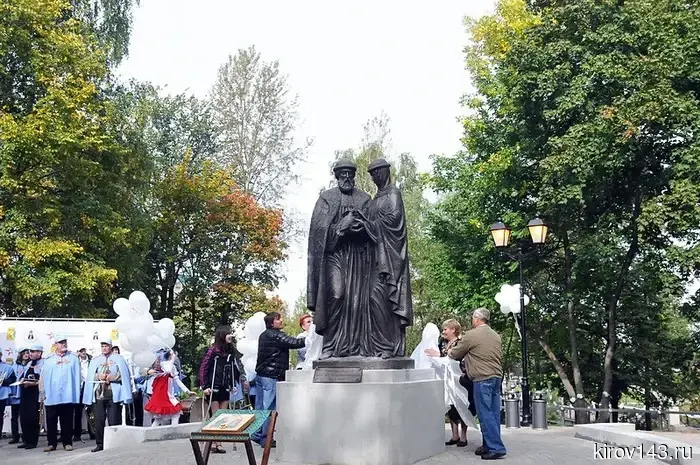
Love and fidelity through the ages: the story of the Murom prince and the daughter of the beekeeper has become a nationwide celebration.
This decision solidified its significance alongside other official dates on the calendar, emphasizing that traditional family values are the foundation of society.
What does Peter and Fevronia have to do with it?
The semantic and spiritual center of the holiday is the story of the lives of the Murom saints — the righteous prince Peter and princess Fevronia. Their union became a standard of Christian marriage in Russian culture, and the date of July 8 is their memorial day in the Orthodox calendar.
It is an amazing story of overcoming social barriers, healing, fidelity, and unity even in the face of death.
According to legend, the Murom prince Peter suffered from an incurable skin disease (leprosy), from which no one could relieve him. In a dream, it was revealed to him that he could be helped by the daughter of a beekeeper from the Ryazan village of Laskovo — a simple peasant girl Fevronia, who had the gift of healing. The girl agreed to heal the prince but set a condition: after recovery, he must take her as his wife. Peter promised, but after being healed and being a nobleman, he did not keep his word and left, leaving Fevronia gifts. However, the illness returned, and then the prince, with humility and repentance, came to the girl again. Fevronia healed him, and this time they got married.
After the death of his brother, Peter began to rule in Murom, but the local boyars did not want to be ruled by a commoner and demanded the expulsion of the princess. Peter could not betray his wife and preferred to renounce power, leaving the city with Fevronia. The wise woman supported her husband in exile, comforting him with words that God would not leave them in need. Soon, turmoil and bloody struggles for power began in Murom. Realizing that without legitimate rulers the city would perish, the boyars came to Peter with repentance and asked him to return. The prince and princess returned and ruled for a long time justly, earning the love of the people not through force, but through mercy.
In old age, they took monastic vows with the names David and Euphrosinia. Their greatest desire was to die on the same day and hour so as not to be separated in eternity. The Lord heard their prayers: they passed away on July 8 (according to the new style) in 1228. Breaking the will of the spouses to bury them together, they were placed in different coffins, but in the morning, their bodies were found in a common stone sarcophagus. This miracle happened three times, after which Peter and Fevronia were buried together in the cathedral church of the Nativity of the Most Holy Theotokos in Murom.
It is this plot — about a love that does not seek its own, does not fear difficulties, and does not end at the threshold of earthly life — that forms the basis of the holiday.
The meaning of the Day of Family, Love, and Fidelity goes far beyond the religious veneration of saints. It has a deep secular and moral character:
The strength of the union
The holiday reminds us that a true family is built not on fleeting infatuation, but on mutual respect, patience, and the ability to sacrifice personal ambitions for the sake of a loved one, as Prince Peter did by renouncing the throne.
Fidelity as a choice
The story of Peter and Fevronia shows fidelity not just as the absence of infidelity, but as a profound unity of souls in the face of any life storms.
Value beyond social classes
The plot emphasizes that wisdom and a kind heart are more important than origin. The marriage of Peter and Fevronia is a union of equals.
Connection of generations
The holiday aims to strengthen the institution of family, promote large families, and care for the older members of the family.
The official symbol of the day is a simple and delicate field flower — the daisy. Its petals symbolize family members gathered around a single center — love. On this day, it is customary to give each other bouquets of daisies, and there is often a wedding boom in registry offices. A special award has also been established — the medal "For Love and Fidelity" featuring the saints and a daisy, which is awarded to couples who have been married for over 25 years and raised children.
The Day of Family, Love, and Fidelity is a very personal and at the same time unifying holiday for the whole country, reminding us that it is within the family that mercy, respect, and true, time-tested love are born.
Другие Новости Кирова (НЗК)
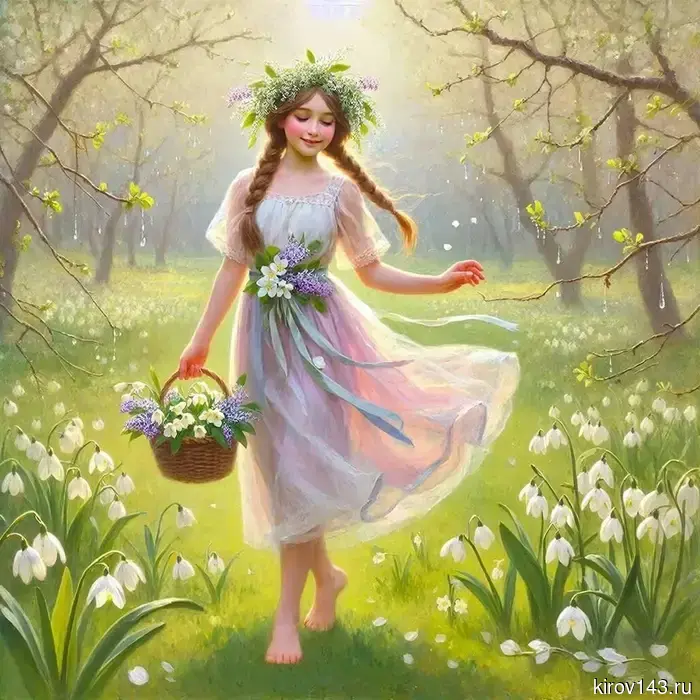 Кировчан зовут на эколого-этнографический праздник в «Нургуш».
В Котельничском районе 11 июля на берегу озера Старица в охранной зоне заповедника «Нургуш» пройдет эколого-этнографический праздник «Иван Травник», сообщили в группе События Кировской области. Для посетителей предусмотрены народные игры, творческие мастер-классы, плетение венков из полевых цветов и другие развлечения.
Кировчан зовут на эколого-этнографический праздник в «Нургуш».
В Котельничском районе 11 июля на берегу озера Старица в охранной зоне заповедника «Нургуш» пройдет эколого-этнографический праздник «Иван Травник», сообщили в группе События Кировской области. Для посетителей предусмотрены народные игры, творческие мастер-классы, плетение венков из полевых цветов и другие развлечения.
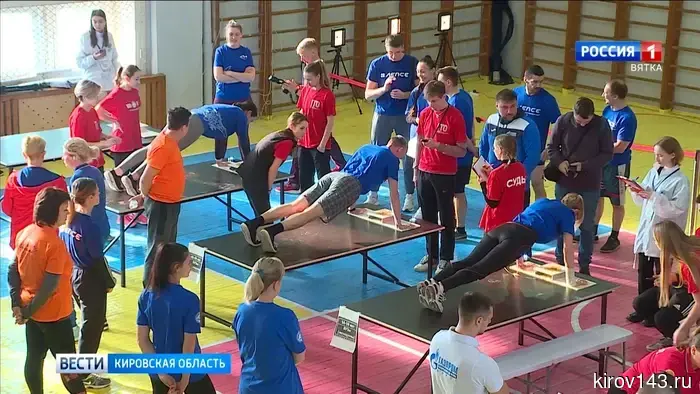 В Кирове пройдет фестиваль спортивных мероприятий для семей.
В администрации города Кирова сообщают, что 18 июля на стадионе «Трудовые резервы» (в случае плохой погоды в спортивном комплексе «Вересники») пройдет крупный спортивный фестиваль для всей семьи. Команда может состоять из 3-х человек: мама, папа и ребенок. Участников ожидают упражнения на отжимания, бег,
В Кирове пройдет фестиваль спортивных мероприятий для семей.
В администрации города Кирова сообщают, что 18 июля на стадионе «Трудовые резервы» (в случае плохой погоды в спортивном комплексе «Вересники») пройдет крупный спортивный фестиваль для всей семьи. Команда может состоять из 3-х человек: мама, папа и ребенок. Участников ожидают упражнения на отжимания, бег,
 Кировчанку, которая обманула людей на сумму свыше 12 миллионов рублей, задержали.
Жительница Кирова, родившаяся в 2001 году, совершила ряд краж денежных средств у граждан путём обмана и злоупотребления доверием, сообщили в областной полиции. В 2024 году она заинтересовалась ставками в букмекерских конторах. После того как она потеряла свои деньги, девушка решила обмануть людей, чтобы получить средства.
Кировчанку, которая обманула людей на сумму свыше 12 миллионов рублей, задержали.
Жительница Кирова, родившаяся в 2001 году, совершила ряд краж денежных средств у граждан путём обмана и злоупотребления доверием, сообщили в областной полиции. В 2024 году она заинтересовалась ставками в букмекерских конторах. После того как она потеряла свои деньги, девушка решила обмануть людей, чтобы получить средства.
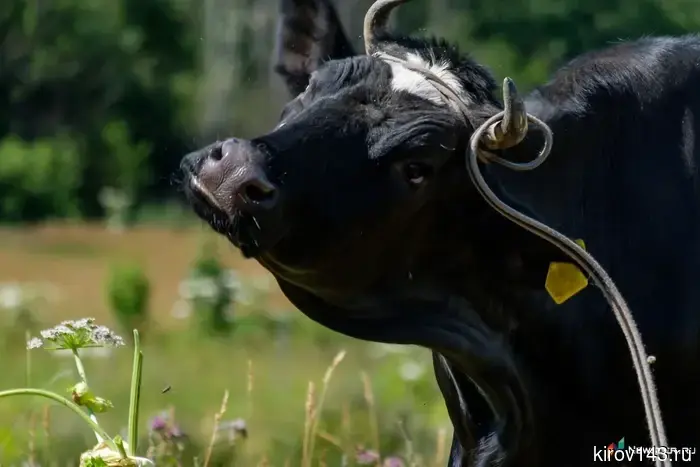 The amount of milk in the Kirov region has decreased, while the amount of eggs and meat has increased.
Kirovstat published a report on the socio-economic situation of the region for January - May 2026.
The amount of milk in the Kirov region has decreased, while the amount of eggs and meat has increased.
Kirovstat published a report on the socio-economic situation of the region for January - May 2026.
 "Silence Mode": Kirov Region is left without mobile internet
Residents of the region report problems with mobile communication and the operation of popular services.
"Silence Mode": Kirov Region is left without mobile internet
Residents of the region report problems with mobile communication and the operation of popular services.
 В регион будет доставлено новое оборудование для борьбы с онкологическими заболеваниями.
В Кировской области была одобрена региональная программа «Борьба с онкологическими заболеваниями» на период с 2025 по 2030 годы, сообщили в региональном правительстве. Первоначально, с 2019 по 2024 годы, Кировский центр онкологии и медицинской радиологии прошел полное переоснащение в рамках федерального проекта.
В регион будет доставлено новое оборудование для борьбы с онкологическими заболеваниями.
В Кировской области была одобрена региональная программа «Борьба с онкологическими заболеваниями» на период с 2025 по 2030 годы, сообщили в региональном правительстве. Первоначально, с 2019 по 2024 годы, Кировский центр онкологии и медицинской радиологии прошел полное переоснащение в рамках федерального проекта.
Love and fidelity through the ages: the story of the Murom prince and the daughter of the beekeeper has become a nationwide celebration.
The official starting point for the celebration of "Family Day" is considered to be July 8, 2008. This holiday received official and nationwide status in 2022 when the President of Russia, Vladimir Putin, signed a decree establishing July 8 as Family, Love, and Fidelity Day.