

Fraudsters have started deceiving Russians against the backdrop of gasoline problems.
Against the backdrop of increased demand for gasoline and reports of supply disruptions, scammers have begun to launch fake websites related to fuel en masse. As reported by "Lenta.ru," citing a study by the Smart Business Alert service, since the beginning of summer, between 10 to 20 such resources appear online daily.
Experts note that these websites often disguise themselves as services for checking fuel availability, booking a queue at gas stations, or scheduling a specific time. They are usually targeted at specific regions, cities, or districts and are spread through local chats, communities of motorists, and Telegram channels.
One common scheme involves the sale of "coupons" or "vouchers" for refueling. Users are asked to make a prepayment via the SBP or by transferring money to a card, after which the money disappears along with the seller.
Another scheme is related to account theft. Under the guise of confirming a reservation or receiving an electronic coupon, individuals are asked to enter a code from an SMS. In reality, this could be a code from "Gosuslugi" or a messenger that allows criminals to gain access to the account.
Additionally, scammers offer to download applications that supposedly contain fuel cards, notifications about gasoline arrivals, or searches for available gas stations. In fact, such files may contain viruses capable of stealing personal data, intercepting messages, and gaining access to banking applications.
Experts advise against clicking on suspicious links, not transferring money for "fuel reservations," and not sharing confirmation codes with third parties. It is especially important to be cautious during periods of hype surrounding gasoline.
Другие Новости Кирова (НЗК)
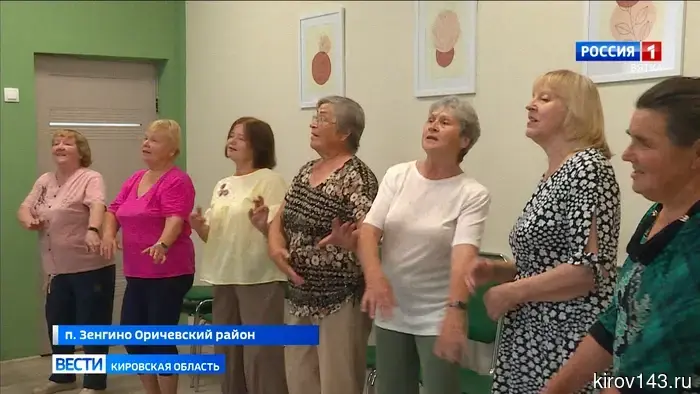 В Оричевском районе, в посёлке Зенгино, был открыт Центр активного долголетия.
В селе Зенгино Оричевского района стартовал третий Центр активного долголетия в Кировской области. Теперь жители смогут разнообразно проводить время, заниматься творчеством, участвовать в образовательных лекциях и мастер-классах. Подробности предоставит Дарья Якименко. - Матушка земля, белая березонька.
В Оричевском районе, в посёлке Зенгино, был открыт Центр активного долголетия.
В селе Зенгино Оричевского района стартовал третий Центр активного долголетия в Кировской области. Теперь жители смогут разнообразно проводить время, заниматься творчеством, участвовать в образовательных лекциях и мастер-классах. Подробности предоставит Дарья Якименко. - Матушка земля, белая березонька.
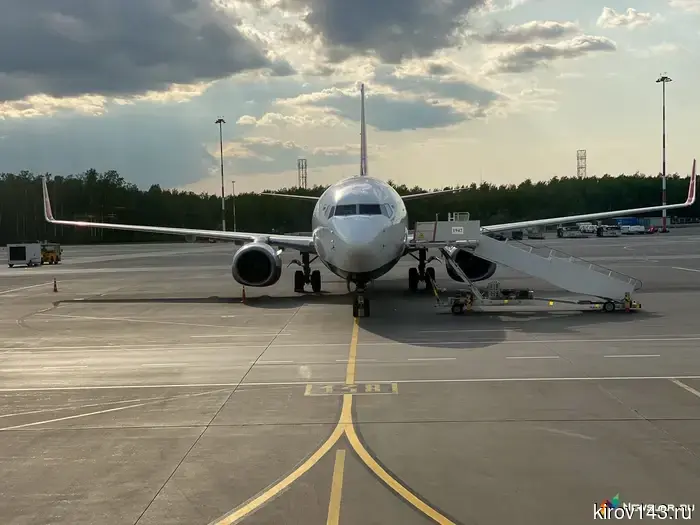 The Pobeda flight from Moscow to Kirov made an emergency landing in Perm.
Today, July 4, a liner of the airline "Pobeda" made an emergency landing at Perm International Airport while flying from Moscow to Kirov. The reason was a technical malfunction in one of the aircraft's systems. The landing was routine, however, the transport prosecutor's office has already taken control of the situation.
The Pobeda flight from Moscow to Kirov made an emergency landing in Perm.
Today, July 4, a liner of the airline "Pobeda" made an emergency landing at Perm International Airport while flying from Moscow to Kirov. The reason was a technical malfunction in one of the aircraft's systems. The landing was routine, however, the transport prosecutor's office has already taken control of the situation.
 В Вятской филармонии проходит ремонт концертного зала.
В Вятской филармонии продолжается масштабный ремонт, на этот раз – внутри здания. Рабочие обновляют не только большой зал, но и другие интерьеры. Более подробная информация о планируемых работах и о том, скажется ли ремонт на начале концертного сезона в сентябре, – в репортаже Ивана Швецова.
В Вятской филармонии проходит ремонт концертного зала.
В Вятской филармонии продолжается масштабный ремонт, на этот раз – внутри здания. Рабочие обновляют не только большой зал, но и другие интерьеры. Более подробная информация о планируемых работах и о том, скажется ли ремонт на начале концертного сезона в сентябре, – в репортаже Ивана Швецова.
 В учебниках истории может быть упомянуто имя Героя России Валерия Асапова.
Имя Героя России Валерия Асапова может быть включено в учебники истории.
В учебниках истории может быть упомянуто имя Героя России Валерия Асапова.
Имя Героя России Валерия Асапова может быть включено в учебники истории.
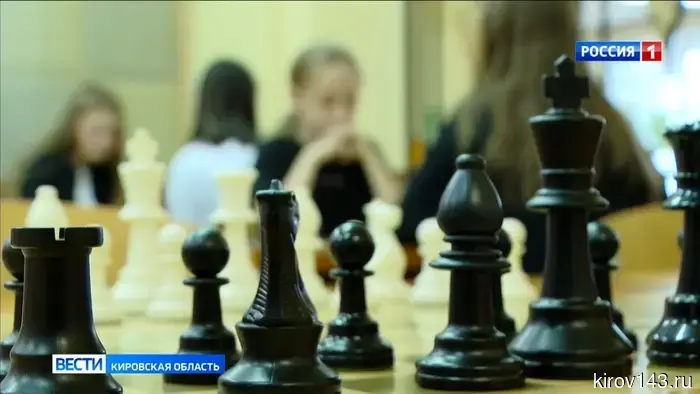 Юные шахматисты из Кирова заняли призовые места на Всероссийских соревнованиях.
Четыре шахматиста из Кировской области представили свой регион на Всероссийских турнирах по быстрым шахматам «Кубок Волги-2026» в Костроме. Два из них завоевали призовые места. Воспитанники ШК «Вятская ладья» и СШОР «Юность» выступили на соревнованиях достойно: КМС Игорь Шабардин занял первое место среди юношей в
Юные шахматисты из Кирова заняли призовые места на Всероссийских соревнованиях.
Четыре шахматиста из Кировской области представили свой регион на Всероссийских турнирах по быстрым шахматам «Кубок Волги-2026» в Костроме. Два из них завоевали призовые места. Воспитанники ШК «Вятская ладья» и СШОР «Юность» выступили на соревнованиях достойно: КМС Игорь Шабардин занял первое место среди юношей в
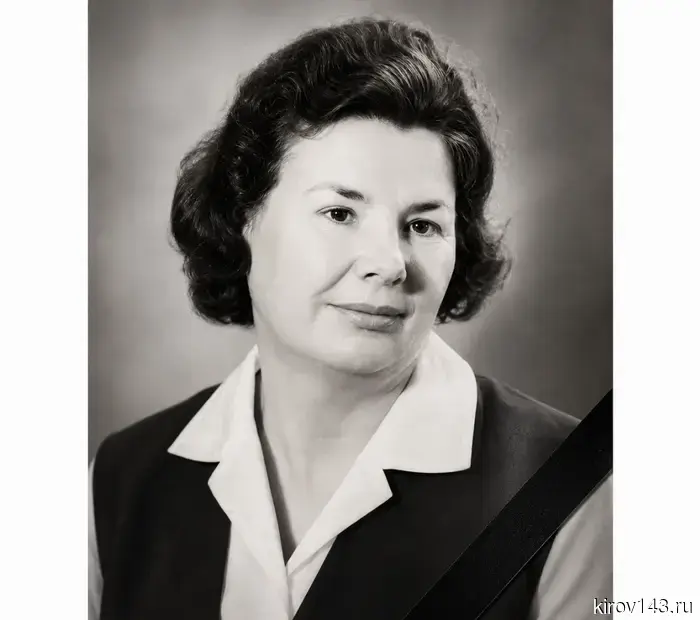 The lecturer of the Faculty of Foreign Languages, Marionella Onoshko, has passed away.
Today, July 3, it became known about the death of the legendary educator of the Faculty of Foreign Languages of Kirov Pedagogical University, Marionella Vladimirovna Onoshko.
The lecturer of the Faculty of Foreign Languages, Marionella Onoshko, has passed away.
Today, July 3, it became known about the death of the legendary educator of the Faculty of Foreign Languages of Kirov Pedagogical University, Marionella Vladimirovna Onoshko.
Fraudsters have started deceiving Russians against the backdrop of gasoline problems.
Fraudsters have actively begun to use the theme of fuel shortages and queues at gas stations for new scams.