
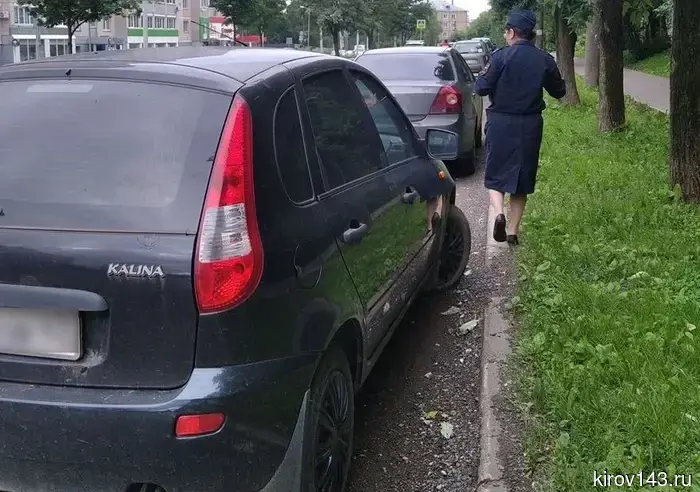
Due to debts of 100 thousand rubles, residents of Kirov lost their car and part of their apartment.
In the Kirov region, new cases of forced collection of utility debts have been recorded. This time, two debtors who have accumulated significant amounts for heating and electricity have come under strict measures.
The first case involves a car owner from the regional center, who owes nearly 100,000 rubles for thermal energy. The Kirov resident did not respond to notifications from the utility provider, and the energy company turned to the court. After receiving the enforcement document, the bailiffs seized and towed his car to a specialized parking lot. The effect was immediate — on the same day, the debtor paid off a large part of the debt.
However, this is not enough to retrieve the car. The owner must fully settle not only the remaining part of the principal debt but also the associated payments: penalties accrued during the delay, court costs, state duty, and an enforcement fee of 12% of the debt amount.
The second episode involves an apartment owner in Kirov, who had not paid bills for heating and electricity for several months. His debt exceeded 100,000 rubles. During the inspection, the bailiffs imposed a lien on the debtor's share in the residential property.
The energy company "T Plus" reminds that timely payment of housing and utility services directly affects the reliability of energy supply and the quality of preparation of the energy system for the upcoming heating season.
For those facing financial difficulties, there is a legal way to avoid seizures and additional costs — to enter into a debt restructuring agreement. The terms are as follows: a one-time payment of 50% of the accumulated amount is made, and the remainder is paid in installments according to an approved schedule.
Другие Новости Кирова (НЗК)
 Кировская область заняла лидирующую позицию в России по эффективности мер, направленных на борьбу с незаконным оборотом промышленной продукции.
Согласно данным, предоставленным Минпромторгом России, в прошлом году в Кировской области было зафиксировано свыше тысячи нарушений, связанных с незаконным оборотом промышленной и спиртосодержащей продукции. В 2025 году из незаконного оборота в регионе было изъято более 26 тысяч литров.
Кировская область заняла лидирующую позицию в России по эффективности мер, направленных на борьбу с незаконным оборотом промышленной продукции.
Согласно данным, предоставленным Минпромторгом России, в прошлом году в Кировской области было зафиксировано свыше тысячи нарушений, связанных с незаконным оборотом промышленной и спиртосодержащей продукции. В 2025 году из незаконного оборота в регионе было изъято более 26 тысяч литров.
 Fraudsters pretend to be oil giants: how not to lose money when buying fuel
Entrepreneurs are being sent commercial offers for gasoline at bargain prices, while drivers are promised refueling without queues. Behind these "favorable conditions" are criminals who disguise themselves as suppliers of the largest oil companies. The banking sector has revealed details of the scheme and named the amount of saved funds.
Fraudsters pretend to be oil giants: how not to lose money when buying fuel
Entrepreneurs are being sent commercial offers for gasoline at bargain prices, while drivers are promised refueling without queues. Behind these "favorable conditions" are criminals who disguise themselves as suppliers of the largest oil companies. The banking sector has revealed details of the scheme and named the amount of saved funds.
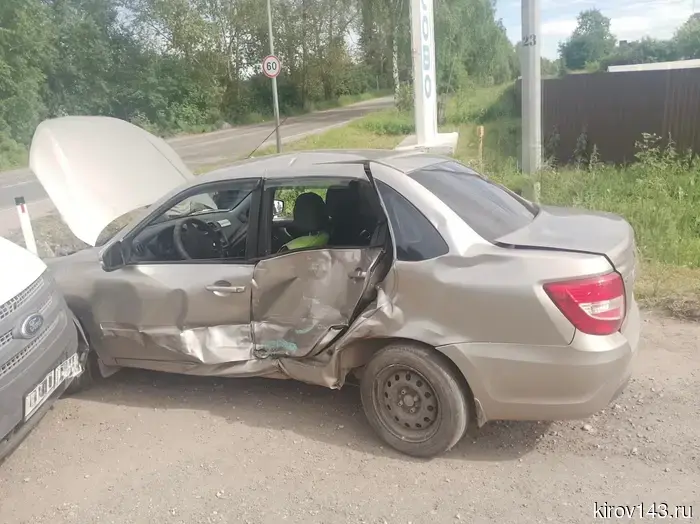 In the Kirov region, a collision occurred between a "Lada" and a minibus: two people were injured.
On the afternoon of July 1, an accident occurred on the Kirov – Strizhi – Orichi highway involving a passenger car and a minibus. The driver and a passenger were injured in the accident.
In the Kirov region, a collision occurred between a "Lada" and a minibus: two people were injured.
On the afternoon of July 1, an accident occurred on the Kirov – Strizhi – Orichi highway involving a passenger car and a minibus. The driver and a passenger were injured in the accident.
 Residents of Kirov have started to undergo MRI and CT scans more frequently.
In the first five months of 2026, the number of high-precision diagnostic studies significantly increased in the Kirov region. Compared to the same period last year, the number of MRIs rose by 18%, and a similar increase was recorded for computed tomography.
Residents of Kirov have started to undergo MRI and CT scans more frequently.
In the first five months of 2026, the number of high-precision diagnostic studies significantly increased in the Kirov region. Compared to the same period last year, the number of MRIs rose by 18%, and a similar increase was recorded for computed tomography.
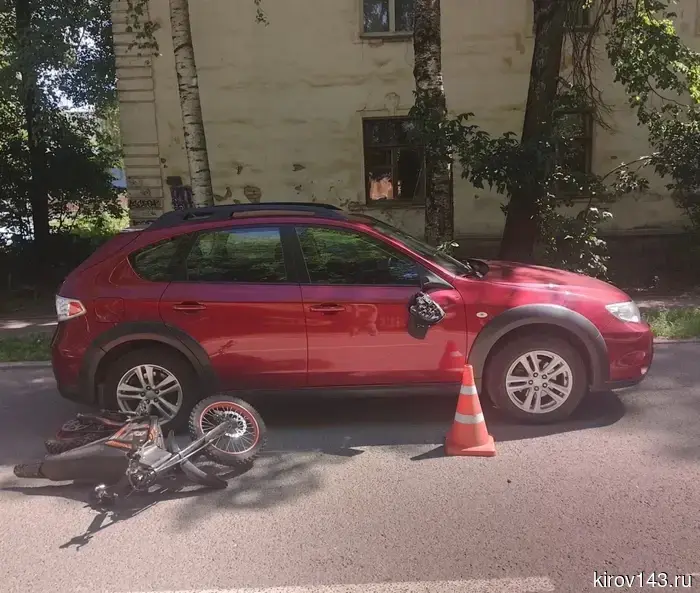 In Kirov, an electric bicycle rider crashed into a parked foreign car.
On the morning of July 1, an accident involving an electric bicycle occurred on Griboedov Street in Kirov. A young man was injured.
In Kirov, an electric bicycle rider crashed into a parked foreign car.
On the morning of July 1, an accident involving an electric bicycle occurred on Griboedov Street in Kirov. A young man was injured.
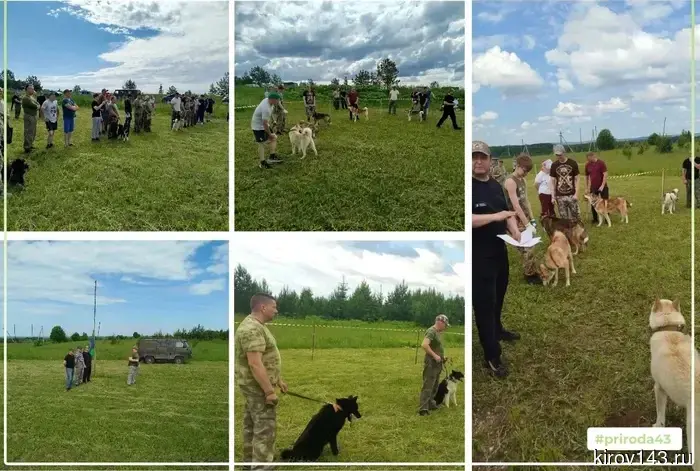 В Кировской области состоялась выставка охотничьих собак.
В министерстве экологии Кировской области сообщили, что состоялась 70-я Слободская межрайонная выставка охотничьих собак. На мероприятии были представлены 30 охотничьих собак из пяти муниципалитетов: Кирова, Слободского, Кирово-Чепецкого, Верхнекамского и Омутнинского районов. Охотники привезли 16
В Кировской области состоялась выставка охотничьих собак.
В министерстве экологии Кировской области сообщили, что состоялась 70-я Слободская межрайонная выставка охотничьих собак. На мероприятии были представлены 30 охотничьих собак из пяти муниципалитетов: Кирова, Слободского, Кирово-Чепецкого, Верхнекамского и Омутнинского районов. Охотники привезли 16
Due to debts of 100 thousand rubles, residents of Kirov lost their car and part of their apartment.
In Kirov, bailiffs took extreme measures against two debtors for utility payments. One had their car seized, while the other had a share in their property arrested. However, the return of the property will cost the debtors more than the amount of the principal debt.