

Money has overtaken family: Kirov youth have re-evaluated their goals for the five-year plan.
In Kirov, the agenda of youth ambitions has changed. According to a recent survey conducted in June among 11,000 residents of major cities in Russia, local respondents under 35 years old have, for the first time in several years, placed financial well-being above personal relationships.
62% of Kirov residents named prosperity as their main goal for the next five years. A year ago, this figure was 53%. Family and children are now in second place — 56%. Rounding out the top three is the desire to find true love, mentioned by 55% of participants. The difference between the first and third points is minimal, but the very fact of the shift in priorities has proven to be a stable trend.
The housing issue, judging by the data, has ceased to be a pressing problem for young people. 71% of respondents live in their own housing — including shared ownership with parents or other relatives. Another 14% are in rental situations or living with friends or relatives. Only 36% identified owning an apartment as an important goal — apparently, for many, this stage has already been passed.
As for savings, the picture is uneven. On average, Kirov residents plan to save 2.2 million rubles over the next five years. At the same time, 28% of young people regularly set aside money, while 43% do so occasionally. They consider a comfortable level of monthly savings to be 13% of their income.
As noted by the press service of Sberbank, which participated in the study, the habit of systematic saving has already formed among local youth: 71% have experience saving in one form or another. According to them, the earlier a person starts planning their budget, the easier it is for them to move towards their own goals and feel confident about the future.
Другие Новости Кирова (НЗК)
 В Кирове в ходе «Антинаркотического субботника» было удалено более 600 рекламных объявлений.
Всемирный день борьбы с наркоманией отмечается 26 июня. С 20 по 30 июня в регионе проводятся мероприятия, направленные на противодействие наркоугрозе. Одним из таких мероприятий стал «Антинаркотический субботник», в ходе которого было удалено более 600 рекламных объявлений, сообщили в правительстве области.
В Кирове в ходе «Антинаркотического субботника» было удалено более 600 рекламных объявлений.
Всемирный день борьбы с наркоманией отмечается 26 июня. С 20 по 30 июня в регионе проводятся мероприятия, направленные на противодействие наркоугрозе. Одним из таких мероприятий стал «Антинаркотический субботник», в ходе которого было удалено более 600 рекламных объявлений, сообщили в правительстве области.
 Губернатор области поздравил жителей Кирова с днем флага Кировской области.
Губернатор Кировской области Александр Соколов во время оперативного совещания поздравил жителей региона с Днем флага Кировской области. В региональном правительстве отметили, что флаг нашего края состоит из белого, зеленого и синего цветов. На белом фоне изображен герб Кировской области. — Он
Губернатор области поздравил жителей Кирова с днем флага Кировской области.
Губернатор Кировской области Александр Соколов во время оперативного совещания поздравил жителей региона с Днем флага Кировской области. В региональном правительстве отметили, что флаг нашего края состоит из белого, зеленого и синего цветов. На белом фоне изображен герб Кировской области. — Он
 Эксперты на федеральном и региональном уровнях создадут план по развитию нолинской матрёшки.
Федеральные и местные специалисты создадут стратегию для развития нолинской матрёшки.
Эксперты на федеральном и региональном уровнях создадут план по развитию нолинской матрёшки.
Федеральные и местные специалисты создадут стратегию для развития нолинской матрёшки.
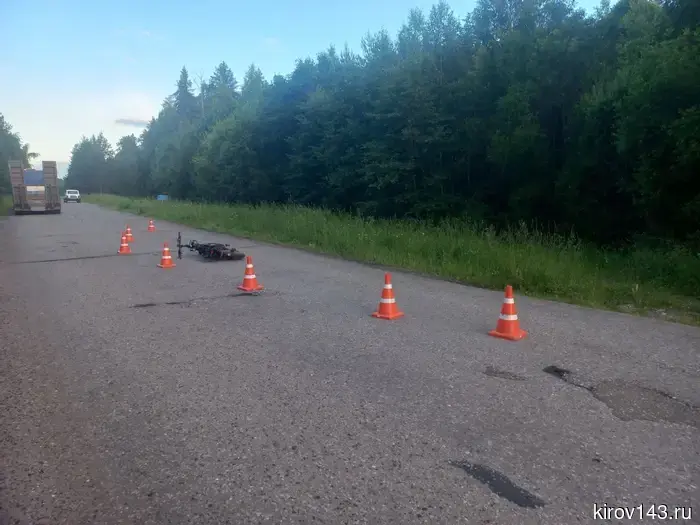 В Слободском районе нетрезвый водитель электровелосипеда столкнулся с грузовиком.
В понедельник, 29 июня, в 18:20 в Слободском районе на 4 км автомобильной дороги «Слободской – Роговое» произошло столкновение между электровелосипедом «Хуго», которым управлял 65-летний мужчина в состоянии алкогольного опьянения, и грузовиком МАЗ с прицепом, который вел 45-летний водитель. В результате аварии управляемый двухколесный транспорт...
В Слободском районе нетрезвый водитель электровелосипеда столкнулся с грузовиком.
В понедельник, 29 июня, в 18:20 в Слободском районе на 4 км автомобильной дороги «Слободской – Роговое» произошло столкновение между электровелосипедом «Хуго», которым управлял 65-летний мужчина в состоянии алкогольного опьянения, и грузовиком МАЗ с прицепом, который вел 45-летний водитель. В результате аварии управляемый двухколесный транспорт...
 56% of Kirov residents live by the principle that "the workday is just the beginning."
While some argue about the balance between life and work, most residents of Kirov have long made the choice in favor of extra hours. Fresh data from personnel studies paints an unusual portrait of the modern employee: the older a person gets, the less often they stay late at the office, while with an increase in salary, the willingness to work outside of regular hours, on the contrary, rapidly increases.
56% of Kirov residents live by the principle that "the workday is just the beginning."
While some argue about the balance between life and work, most residents of Kirov have long made the choice in favor of extra hours. Fresh data from personnel studies paints an unusual portrait of the modern employee: the older a person gets, the less often they stay late at the office, while with an increase in salary, the willingness to work outside of regular hours, on the contrary, rapidly increases.
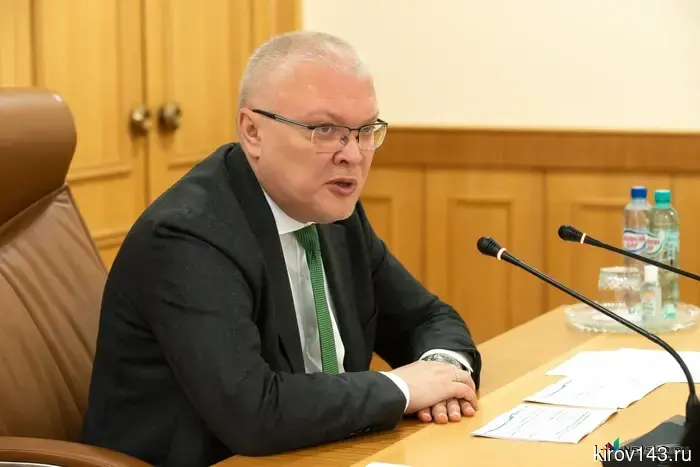 Sokolov: "It's clear that people are glowing with happiness."
The governor commented on the meeting with local residents.
Sokolov: "It's clear that people are glowing with happiness."
The governor commented on the meeting with local residents.
Money has overtaken family: Kirov youth have re-evaluated their goals for the five-year plan.
Over the year, the share of Kirov residents under 35 who dream of wealth has increased from 53% to 62%. This has pushed even traditional priorities such as starting a family and having children to second place. At the same time, the majority of respondents already live in their own housing, and one in four saves regularly.