
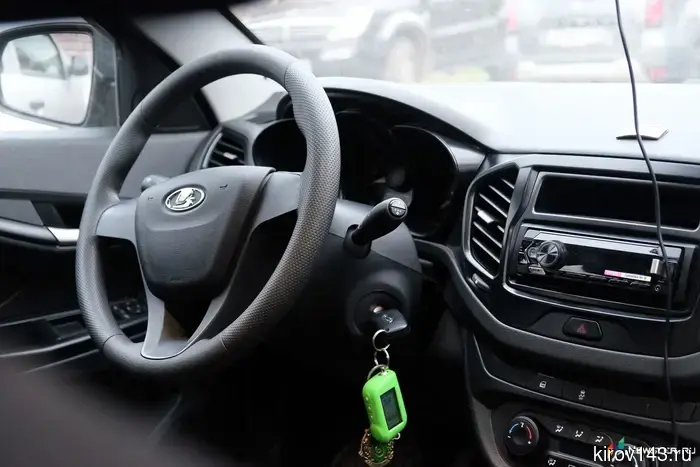
Russians were explained how Euro-3 gasoline can harm a car.
According to Nikita Rodionov, the technical director of the international network of auto services "FIT SERVICE," the main problem lies not in the deterioration of the car's dynamics, but in the composition of the fuel. Compared to Euro-5, gasoline and diesel fuel of Euro-3 class allow for significantly higher sulfur content and other components. The combustion of such fuel produces more aggressive compounds that accelerate oil aging, contribute to the formation of carbon deposits, increase the load on engine parts, and shorten the lifespan of the catalyst and particulate filter.
Modern cars, produced approximately after 2010-2015 and designed for the Euro-5 environmental standard, are particularly sensitive to such fuel. They are equipped with complex exhaust cleaning systems, sensitive sensors, and injectors that fail faster when using lower-grade fuel.
Older cars designed for Euro-3 handle such fuel more easily; however, for them, the increased sulfur content also means faster oil wear and wear of the exhaust system components.
The expert warns that car owners may face additional expenses. Among the possible consequences are more frequent oil and filter changes, premature failure of the catalyst, and in severe cases, costly repairs to the engine or fuel system.
To reduce risks, car owners are advised to refuel at trusted gas stations of large networks, change engine oil more frequently—reducing the interval from 10-15 thousand to 7-8 thousand kilometers—and regularly conduct diagnostics of the exhaust and fuel systems.
Additionally, owners of modern cars are advised to avoid prolonged driving at high RPMs and not to postpone scheduled maintenance. According to the specialist, such measures will help extend the engine's lifespan and minimize the consequences of using lower environmental class fuel.
Recall that earlier the government allowed a number of Russian refineries to temporarily produce Euro-5 standard fuel with certain indicators of Euro-3 level. This measure was introduced to prevent a possible gasoline shortage in the domestic market. Experts warn that such fuel contains more sulfur, which can accelerate the wear of the engine, catalyst, and fuel system, especially in modern cars. Last autumn, against the backdrop of quality issues with gasoline in several regions, car owners already complained about engine detonation, loss of power, and the appearance of the "Check Engine" error after refueling.
Другие Новости Кирова (НЗК)
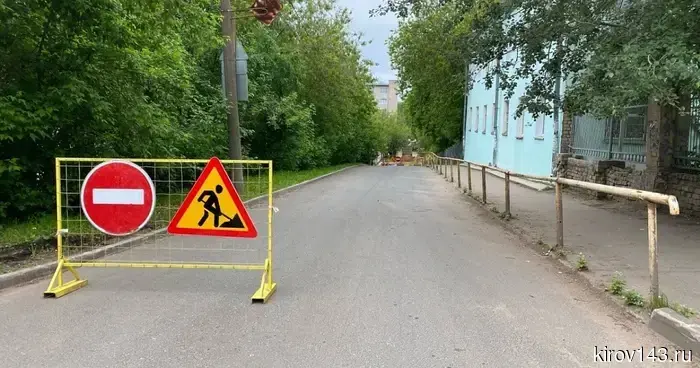 В Кирове движение на участке улицы Защитников Отечества закрыто до июля.
В Кирове движение на участке улицы Защитников Отечества будет закрыто до июля.
В Кирове движение на участке улицы Защитников Отечества закрыто до июля.
В Кирове движение на участке улицы Защитников Отечества будет закрыто до июля.
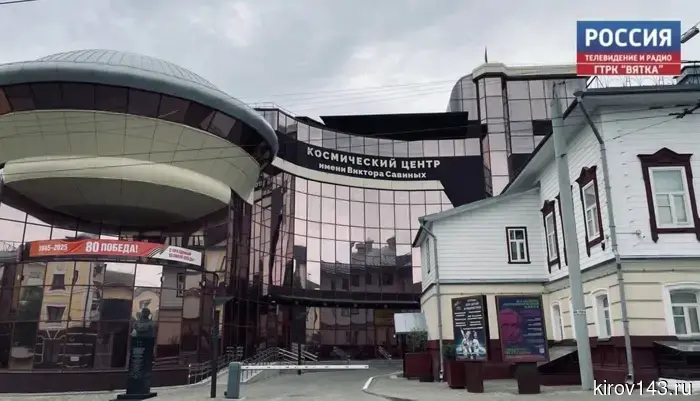 Фонды Музея К. Э. Циолковского, авиации и космонавтики были обновлены новыми экспонатами.
Фонды Музея К. Э. Циолковского, авиации и космонавтики были пополнены новыми ценными экспонатами. Их передал лётчик-космонавт и Герой России Сергей Рязанский, сообщило региональное министерство культуры. За время своей карьеры Сергей Николаевич выполнил 2 космических полёта общей длительностью 304 дня 23.
Фонды Музея К. Э. Циолковского, авиации и космонавтики были обновлены новыми экспонатами.
Фонды Музея К. Э. Циолковского, авиации и космонавтики были пополнены новыми ценными экспонатами. Их передал лётчик-космонавт и Герой России Сергей Рязанский, сообщило региональное министерство культуры. За время своей карьеры Сергей Николаевич выполнил 2 космических полёта общей длительностью 304 дня 23.
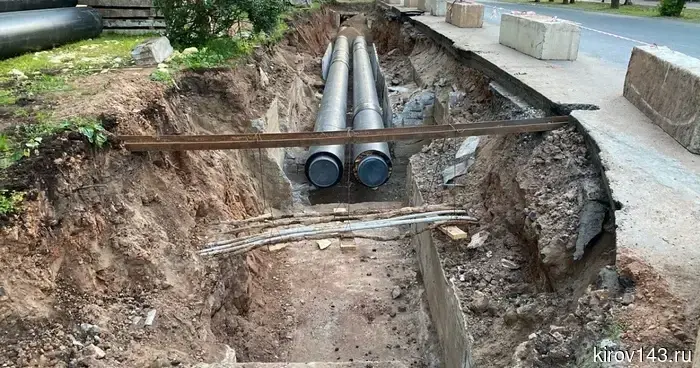 Губернатор дал указание завершить ремонт сетей на улице Казанской в течение недели.
Губернатор дал поручение завершить ремонт сетей на Казанской в течение недели.
Губернатор дал указание завершить ремонт сетей на улице Казанской в течение недели.
Губернатор дал поручение завершить ремонт сетей на Казанской в течение недели.
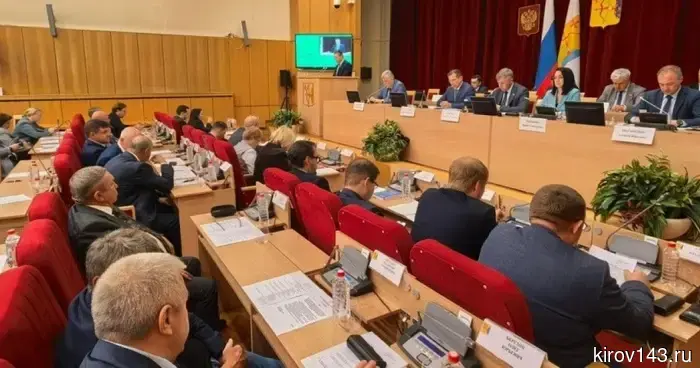 Законодательные результаты июня — материалы из газеты.
Законодательные результаты июня — статьи из газеты.
Законодательные результаты июня — материалы из газеты.
Законодательные результаты июня — статьи из газеты.
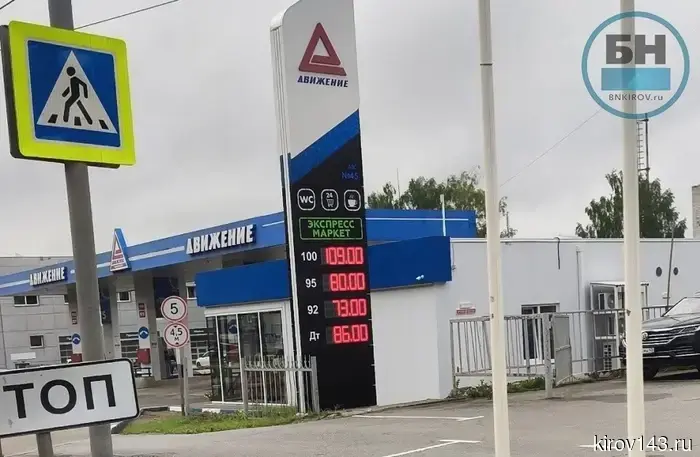 Соколов и Сандалов обсудили ситуацию с топливом в Кировской области.
Соколов и Сандалов высказались о ситуации с топливом в Кировской области.
Соколов и Сандалов обсудили ситуацию с топливом в Кировской области.
Соколов и Сандалов высказались о ситуации с топливом в Кировской области.
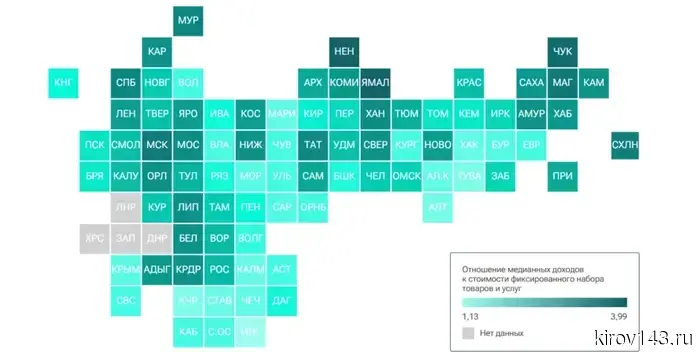 The Kirov region ranked 53rd in the regional rating by purchasing power.
The Kirov region found itself in the lower half of the ranking of Russian regions by the level of population income. The region's main index was 1.86, compared to the national average of 2.19, while the share of the poor here decreased faster than the national average.
The Kirov region ranked 53rd in the regional rating by purchasing power.
The Kirov region found itself in the lower half of the ranking of Russian regions by the level of population income. The region's main index was 1.86, compared to the national average of 2.19, while the share of the poor here decreased faster than the national average.
Russians were explained how Euro-3 gasoline can harm a car.
The use of Euro-3 class fuel can lead to accelerated wear of the engine, motor oil, and exhaust system.