

Expert: popular weight loss supplements turned out to be useless
Denis Borozdenko, assistant professor of the pharmacology department at the Pirogov University Institute of Pharmacy and Medical Chemistry (IFMХ), junior research fellow in the medical chemistry and toxicology department of IFMХ, explained how popular dietary supplements actually work.
Chlorophyll: beautiful color with weak evidence
Chlorophyll is a plant pigment responsible for the green color of leaves and stems. In dietary supplements, its semi-synthetic analogue – chlorophyllin – is used, which is more stable and water-soluble. However, as Denis Borozdenko explains, there is virtually no scientific evidence for the targeted healing effects of chlorophyll on the body.
Some data on antioxidant activity exists, but it has been obtained exclusively in laboratory experiments on cell cultures, not in studies on animals or volunteers. In combination with other components of greens (fiber, vitamins, minerals), chlorophyll may contribute to improved bowel function and have a general strengthening effect – for example, with high consumption of greens as part of a Mediterranean diet.
Impact on weight: only as part of a balanced diet
This suggests that taking isolated dietary supplements with chlorophyll does not yield a pronounced effect. Positive changes in appearance, including weight loss, are achievable only with a balanced diet (including green products with chlorophyll) and sufficient physical activity.
Chlorophyll overdose from consuming plant foods is virtually impossible; however, uncontrolled intake of supplements can lead to side effects. The first signs of excess are changes in the color of urine and stool – these are the complaints patients often bring to their doctor.
Magnesium citrate: benefits for nerves, but not for fat
Magnesium citrate is a popular and easily absorbed form of magnesium, bound to citric acid. It is a critically important trace element necessary for the functioning of the nervous system and gastrointestinal tract. However, its direct influence on the weight loss process remains in question.
From a pharmacological perspective, magnesium acts as a mild laxative. For example, medicinal mineral water rich in magnesium is the first-choice treatment for functional constipation. Magnesium does not have fat-splitting properties. For the central nervous system, magnesium is valuable for its ability to normalize sleep and reduce stress levels. It is also important to remember the harm of excessively large doses: diarrhea and sleep disturbances are possible.
Thus, both chlorophyll (in green products) and magnesium citrate can become useful components of an overall health program that accompanies the weight loss process. They can improve sleep, digestion, and help in the fight against stress, which, in turn, facilitates adherence to the main rules: proper nutrition and regular exercise. These substances alone are not fat burners.
Другие Новости Кирова (НЗК)
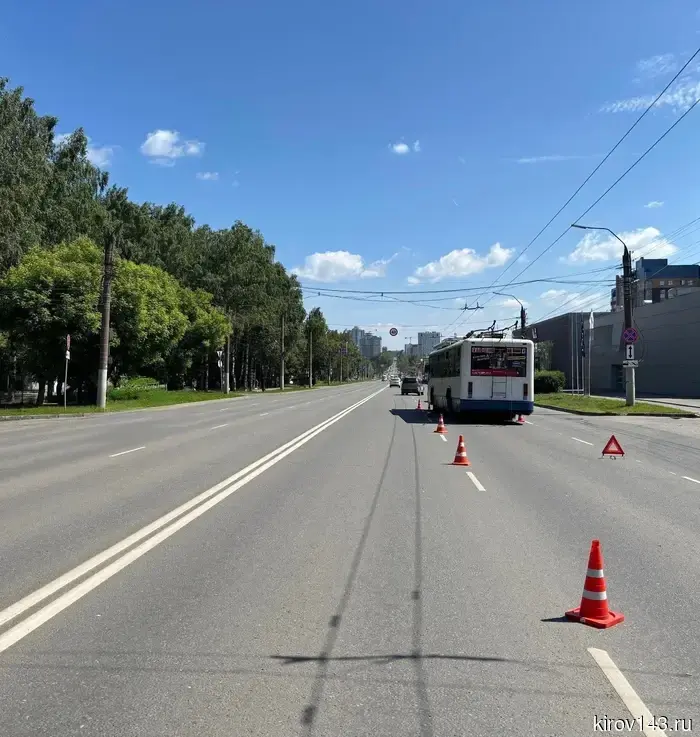 В прошедшие выходные в Кировской области в результате дорожно-транспортных происшествий один человек скончался, а 24 получили травмы.
В Кировской области с 12 по 14 июня произошло 23 дорожно-транспортных происшествия, в результате которых один человек скончался и 24 получили травмы, сообщили в региональной Госавтоинспекции. Одно из ДТП, по предварительной информации, произошло 12 июня 2026 года в Кирове на улице Московская, 116. Водителем троллейбуса городского маршрута №8 оказалась 38-летняя женщина.
В прошедшие выходные в Кировской области в результате дорожно-транспортных происшествий один человек скончался, а 24 получили травмы.
В Кировской области с 12 по 14 июня произошло 23 дорожно-транспортных происшествия, в результате которых один человек скончался и 24 получили травмы, сообщили в региональной Госавтоинспекции. Одно из ДТП, по предварительной информации, произошло 12 июня 2026 года в Кирове на улице Московская, 116. Водителем троллейбуса городского маршрута №8 оказалась 38-летняя женщина.
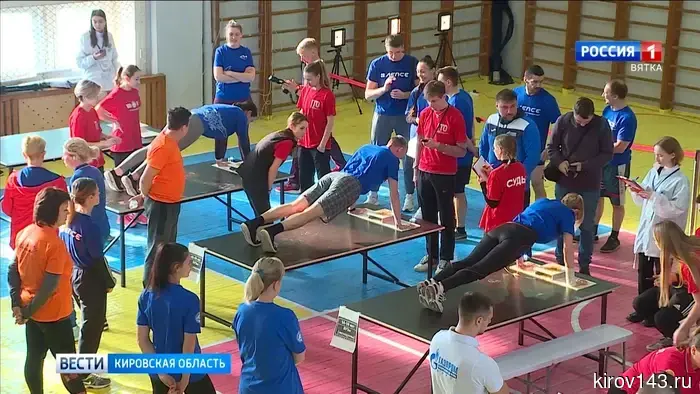 В связи с 90-летием Кировской области будет организован фестиваль ГТО.
В это воскресенье, 21 июня, на стадионе «Иско» в Кирове состоится фестиваль ГТО, приуроченный к 90-летию региона. Об этом информировало правительство Кировской области. — Фестиваль дает уникальную возможность всем жителям и гостям города старше 6 лет оценить свои физические возможности.
В связи с 90-летием Кировской области будет организован фестиваль ГТО.
В это воскресенье, 21 июня, на стадионе «Иско» в Кирове состоится фестиваль ГТО, приуроченный к 90-летию региона. Об этом информировало правительство Кировской области. — Фестиваль дает уникальную возможность всем жителям и гостям города старше 6 лет оценить свои физические возможности.
 В Юрье арестовали человека, подозреваемого в поджоге машины жительницы этого города.
Жительница поселка Юрья сообщила полицейским, что ее автомобиль марки «Хендай Солярис» был подожжен поздно ночью. Сотрудники отдела уголовного розыска идентифицировали подозреваемого и задержали его. Это оказался местный житель, родившийся в 1986 году, который ранее имел судимость. Мужчина рассказал, что, находясь
В Юрье арестовали человека, подозреваемого в поджоге машины жительницы этого города.
Жительница поселка Юрья сообщила полицейским, что ее автомобиль марки «Хендай Солярис» был подожжен поздно ночью. Сотрудники отдела уголовного розыска идентифицировали подозреваемого и задержали его. Это оказался местный житель, родившийся в 1986 году, который ранее имел судимость. Мужчина рассказал, что, находясь
 22% of Kirov companies retain pensioner employees.
"SuperJob" found out how employers in Kirov treat employees of retirement age.
22% of Kirov companies retain pensioner employees.
"SuperJob" found out how employers in Kirov treat employees of retirement age.
 Работы по благоустройству в Каринторфе продолжаются.
В микрорайоне Кирово-Чепецка Каринторф продолжается работа по благоустройству. Об этом информировала городская администрация. После начала движения по наплавному мосту было вывезено свыше 200 кубометров твердых бытовых отходов, включая крупногабаритный мусор и отходы с незаконных свалок. — Кроме...
Работы по благоустройству в Каринторфе продолжаются.
В микрорайоне Кирово-Чепецка Каринторф продолжается работа по благоустройству. Об этом информировала городская администрация. После начала движения по наплавному мосту было вывезено свыше 200 кубометров твердых бытовых отходов, включая крупногабаритный мусор и отходы с незаконных свалок. — Кроме...
 22% of Kirov companies retain pensioner employees
"SuperJob" found out how employers in Kirov feel about employees of retirement age.
22% of Kirov companies retain pensioner employees
"SuperJob" found out how employers in Kirov feel about employees of retirement age.
Expert: popular weight loss supplements turned out to be useless
Bloggers and marketers of dietary supplements are increasingly promoting chlorophyll and magnesium citrate as weight loss aids. Expert Denis Borozdenko from the Pirogov Russian National Research Medical University explained why this is not the case.