
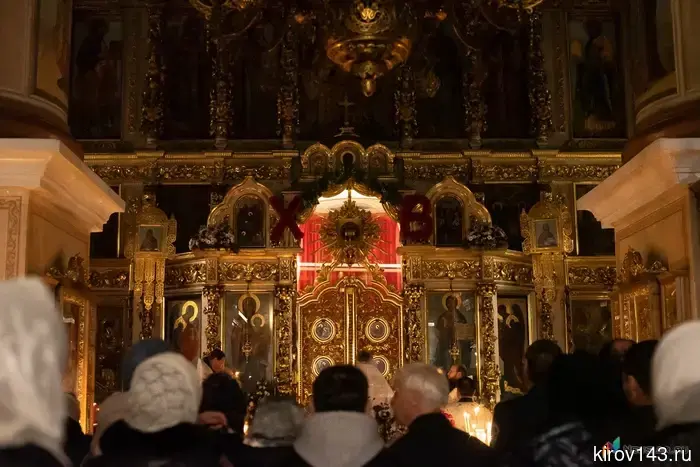
The Orthodox Christians have begun the Peter's Fast.
The duration of the fast directly depends on the date of Easter, so in different years it can last from 8 to 42 days. In 2026, the Peter's Fast will last 34 days — from June 8 to July 11. In 2026, Orthodox Easter was celebrated on April 12. This is a relatively early Easter, so the Peter's Fast will be quite lengthy. The fast begins exactly one week after the Feast of the Holy Trinity (Pentecost), on the Monday after All Saints' Week. In 2026, Trinity fell on May 31, and All Saints' Week was on June 7. Thus, the total duration of the Peter's Fast in 2026 will be 34 days. The fast always ends on the eve of the feast day of the apostles Peter and Paul. Since July 12, 2026, is a Sunday, the fasting period ends on the evening of July 11 with the beginning of the all-night vigil. What can and cannot be eaten: rules of the Peter's Fast The Peter's Fast is significantly milder than the Great Fast. The church regulations prescribe abstaining from meat, dairy products, and eggs, but on certain days allow fish, making this fast convenient for gradually entering the ascetic rhythm of life even for laypeople. Main restrictions Throughout the fast, the following are excluded from the diet: meat and meat products eggs milk, cottage cheese, cheese, butter, and other dairy products alcohol (except for wine on permitted days and in small quantities). Relaxations and gradation of strictness The traditional eating scheme by days of the week (according to monastic rules, which can be softened for laypeople with the blessing of a spiritual father): Monday — hot plant-based food without oil (vegetable soups, cereals in water, stewed vegetables). In strict rules, dry eating (bread, raw vegetables, fruits, nuts) is prescribed on this day, but for most believers, boiled fasting food is allowed. Tuesday, Thursday, Saturday, Sunday — the main relaxation of the fast: fish is allowed. Fish dishes, vegetable oil, and hot food can be eaten. A little wine is also permitted on these days. Wednesday and Friday — the strictest days. Dry eating is prescribed: food without thermal processing and without vegetable oil. This includes bread, fresh and dried vegetables, fruits, nuts, honey. Wine and fish are excluded. It is important to remember: if a day of a revered saint (for example, a polyelai feast) falls on a Wednesday or Friday, the strictness of the fast may be reduced — fish is allowed at the meal. For children, pregnant and nursing women, the elderly, travelers, and those engaged in heavy physical labor, the measure of fasting is usually individually relaxed on the advice of a priest. Spiritual significance of the Peter's Fast The Peter's Fast is not a diet, but a period of prayerful and moral purification, preparation for the glorification of the two great apostles. The Church calls believers to imitate Peter and Paul in their fervent faith, zeal for God, and readiness to carry the word of the Gospel to people. The main meaning of the fast is revealed in three aspects: 1. Imitation of the apostles. Saints Peter and Paul fasted and prayed before going out to preach to the whole world. For a Christian, this fast is an opportunity to spiritually gather, reflect on one's own calling, and strengthen in faith. 2. Compensation for what was missed. Historically, this fast arose, among other reasons, as a compensatory one: those who, for some reason, could not strictly fast during the Great Fast were given a chance to make up for this spiritual work in the summer when the fasting table is easier due to the abundance of fresh vegetables and greens. 3. A time of unity. The fast falls in early summer, a time of blooming and abundance in nature. This symbolizes spiritual flourishing, quiet joy, and gratitude to God for His gifts, which we bring to Him through prayer and abstinence. History of the fast's establishment The establishment of the Peter's Fast dates back to the earliest centuries of Christianity. The first mentions of it appear as early as the 4th century — in the "Apostolic Tradition" and in the decrees of Pope Leo the Great. Originally, this fast was not tied to the memory of specific apostles, but had the character of a "compensatory" fast after Pentecost: it allowed for spiritual rest after the joy of Easter and a reminder of repentance. Gradually, the understanding of the fast changed. It began to be seen as a direct imitation of the apostles, who, according to the book of Acts, fasted and prayed before making key steps in their ministry: "Then, after fasting and praying, they laid their hands on them and sent them off" (Acts 13:3). Over time, the fast firmly established itself before the feast day of the apostles Peter and Paul and received its modern name. The duration of the fast historically varied in the East and West. Its boundaries — from All Saints' Week to June 28 in the old style (July 11 in the new) — were finally established in the Byzantine tradition and accepted by the Russian Orthodox Church. The Peter's Fast of 2026 is 34 days filled with the opportunity to bring thoughts and feelings in order, care for the soul, and reverently meet the feast of the glorious apostles Peter and Paul.
Другие Новости Кирова (НЗК)
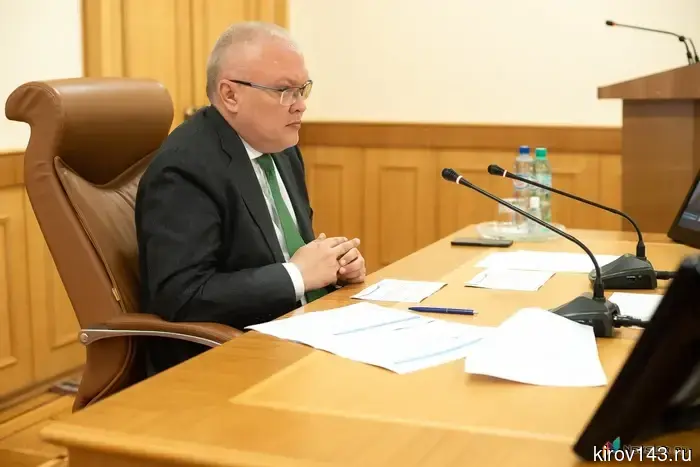 Sokolov on the religious procession: "So far, everything is going smoothly."
The governor commented on the holding of a large religious event.
Sokolov on the religious procession: "So far, everything is going smoothly."
The governor commented on the holding of a large religious event.
 The introduction of the technical collection on electronics in Russia has been postponed to December 1.
The Russian government has postponed the deadline for the introduction of a technological fee for manufacturers and importers of certain types of radio-electronic devices.
The introduction of the technical collection on electronics in Russia has been postponed to December 1.
The Russian government has postponed the deadline for the introduction of a technological fee for manufacturers and importers of certain types of radio-electronic devices.
 Kirov Oblast ranks 64th in gasoline availability.
Experts have prepared a new study.
Kirov Oblast ranks 64th in gasoline availability.
Experts have prepared a new study.
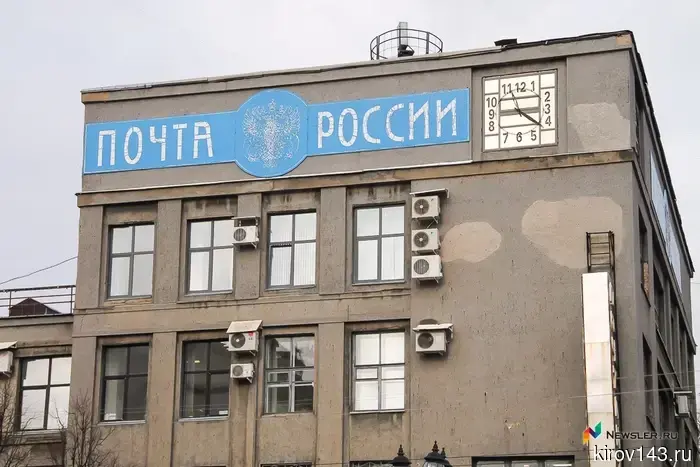 It became known how the post offices will operate on Russia Day.
Due to the celebration of Russia Day, the schedule of the Russian Post offices will change.
It became known how the post offices will operate on Russia Day.
Due to the celebration of Russia Day, the schedule of the Russian Post offices will change.
 The Ministry of Transport announced when the repair of the runway in Kirov is expected to be completed.
The authorities commented on the progress of work in "Pobedilovo."
The Ministry of Transport announced when the repair of the runway in Kirov is expected to be completed.
The authorities commented on the progress of work in "Pobedilovo."
 В Репинском особняке впервые были выставлены дымковские игрушки начала XX века.
В честь 90-летия Кировской области в особняке купца Репина открыта выставка «Дочки-матери». В экспозиции находятся 17 игрушек, демонстрируемых впервые, наряду с игрушками из ранних коллекций Вятского художественного музея. В общей сложности выставлено 45 игрушек, сообщили в
В Репинском особняке впервые были выставлены дымковские игрушки начала XX века.
В честь 90-летия Кировской области в особняке купца Репина открыта выставка «Дочки-матери». В экспозиции находятся 17 игрушек, демонстрируемых впервые, наряду с игрушками из ранних коллекций Вятского художественного музея. В общей сложности выставлено 45 игрушек, сообщили в
The Orthodox Christians have begun the Peter's Fast.
The Peter Fast is one of the four multi-day fasts of the Orthodox Church. It does not have a fixed start date and always precedes the feast day of the holy apostles Peter and Paul, which is celebrated on July 12.