
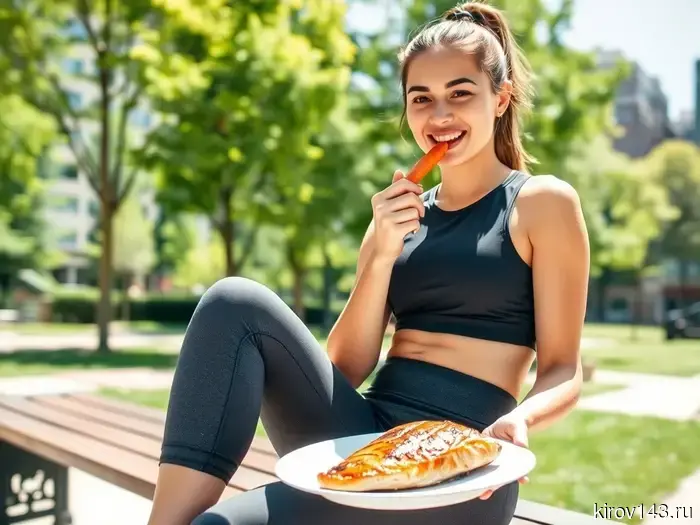
The nutritionist revealed what Russians actually eat and how to correct the main mistakes.
Little fiber, lots of fats
Among the key features of modern nutrition for Russians, the expert highlighted:
excessive calorie intake;
excessive consumption of fats (sausages and confectionery, fast food, ice cream, nuts);
excess of sugars (instant breakfasts, bars, crackers, dried fruits, juices, carbonated drinks);
deficiency of fiber — lack of greens, fruits, and vegetables;
monotony of the diet, predominance of instant, processed, and canned foods;
excessive salt consumption.
"I want to emphasize the excess of simple carbohydrates and processed foods against the backdrop of a deficiency of fresh vegetables, fruits, quality protein, and fiber. Most Russians are deficient in vitamin D, iodine, calcium, and iron," the expert is quoted by volga.news.
The traps of "healthy eating"
The expert warns: trendy protein, energy, and vitamin bars, as well as high-protein yogurts (often labeled "sugar-free") are not always beneficial. Instead of sugar, they use fructose, dextrose, honey, corn or rice syrup, and sweeteners. The calorie content does not decrease as a result.
"If the goal is to lose weight, such snacks are unlikely to be helpful. You need to consider the energy value of the bars and fit it within your daily calorie intake. Read the labels carefully," advises the dietitian.
The dangers of improper nutrition
According to Olga Sazonova, an unhealthy diet leads to excessive body weight and obesity, which today affects more than half of the country's population. This, in turn, increases the risk of:
type 2 diabetes;
cardiovascular diseases;
osteoporosis, gout, kidney stones.
High consumption of salt, saturated, and trans fats provokes heart and vascular diseases. A deficiency of trace elements leads to reduced immunity, worsening of skin, hair, nails, memory, and concentration. Due to a lack of calcium and vitamin D, osteoporosis develops. And a deficiency of fiber increases the risk of cancer and gastrointestinal diseases.
Additionally, many Russians experience iodine deficiency, which creates risks for thyroid diseases.
The main laws of proper nutrition
Olga Sazonova reminds of the basic principles of rational nutrition.
First law: the energy obtained from food must correspond to the energy expenditure of a person. If calories exceed expenditure, the surplus is stored as fat.
Second law: the diet must meet physiological needs for nutrients. It is important that calories are not "empty" but contain all necessary vitamins and minerals.
Practical tips from the dietitian
Consume a variety of foods from both animal and plant sources.
Include enough seasonal vegetables, fruits, and greens in your diet.
Choose products with low sugar content, limit sweets, sweet drinks, and refined sugar.
Total salt consumption should not exceed a teaspoon (5–6 g) per day, including salt in bread, processed, dried, smoked, and canned products.
Replace white bread and pasta made from premium flour with whole grain options.
Cook food at home.
Read the ingredient list on labels.
Maintain a proper hydration and eating schedule.
Другие Новости Кирова (НЗК)
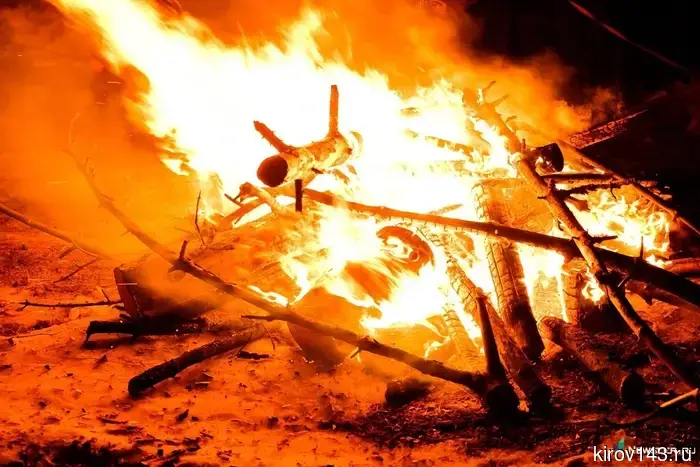 In the Kirov region, a bathhouse and a private house burned down in a day.
Fire and rescue units in the region extinguished four man-made fires over the past day. This information is provided by the Main Directorate of the Ministry of Emergency Situations of Russia for the Kirov Region.
In the Kirov region, a bathhouse and a private house burned down in a day.
Fire and rescue units in the region extinguished four man-made fires over the past day. This information is provided by the Main Directorate of the Ministry of Emergency Situations of Russia for the Kirov Region.
 The Russian North breaks the price record: how much is being asked for a tour in Karelia?
It has become known how much it will cost Russian tourists to get acquainted with the Russian North. Prices for trips to Karelia are steep, and for clarity, they can be compared with popular foreign destinations.
The Russian North breaks the price record: how much is being asked for a tour in Karelia?
It has become known how much it will cost Russian tourists to get acquainted with the Russian North. Prices for trips to Karelia are steep, and for clarity, they can be compared with popular foreign destinations.
 Fraudsters have a new digital weapon.
Digital twins are becoming a new weapon of mass destruction. This issue was discussed at the St. Petersburg International Economic Forum during a session of a major bank titled "Digital Impostor."
Fraudsters have a new digital weapon.
Digital twins are becoming a new weapon of mass destruction. This issue was discussed at the St. Petersburg International Economic Forum during a session of a major bank titled "Digital Impostor."
The nutritionist revealed what Russians actually eat and how to correct the main mistakes.
The director of the Institute of Preventive Medicine, chief freelance dietitian, Doctor of Medical Sciences, Professor Olga Sazonova shared data on typical nutritional problems of the residents of Russia. She named the most common mistakes, hidden traps of "healthy eating," and provided specific advice for improving the diet.