
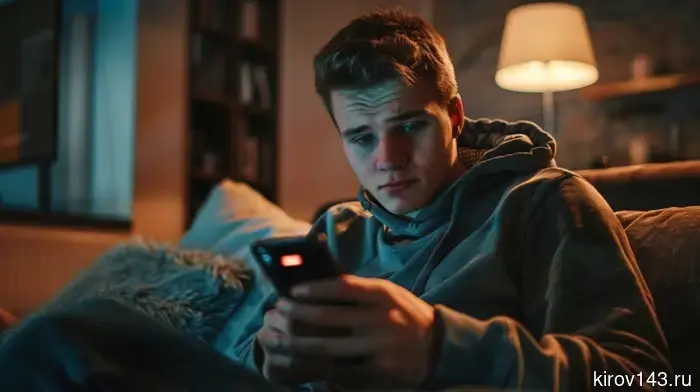
Fraudsters have a new digital weapon.
The moderator — the deputy chairman of the bank's board — together with the participants vividly demonstrated how artificial intelligence technologies are turning into a tool for mass fraud. In an unconventional format of live dialogue, they created and exposed deepfakes right before the eyes of the audience.
The numbers are shocking. In a year and a half, the number of deepfakes in Russia has increased 26 times. Just this year, the damage from such fraud has exceeded 2 billion rubles. The average amount of one attack is 16 million rubles. At the same time, creating one deepfake can cost no more than 50 rubles. The dark web already offers more than 40,000 ready-made templates for various scenarios. According to forecasts, by the end of 2026, Russia could lose 250 billion rubles due to deepfakes.
What is dangerous about deepfakes? They can discredit politicians, make a CFO transfer millions at a fake board meeting (such a case has already occurred in Singapore). But the main thing is that they strike at people's feelings. For example, elderly relatives believe every word of the "grandson" in the video, who allegedly got into trouble.
A bank representative explained: previously, a criminal had to prepare, gather data, come up with a scenario, and gain trust. Now, all this work is done by a neural network. A message appears, and it immediately receives the highest level of trust. The scariest thing is when your child, with tears in their eyes, asks for help. Advice: no matter how scary it is, do not react immediately. Call back the person who supposedly sent the message.
During the session, three types of deepfakes were discussed.
The first — "circle": a short video where a person in an emergency situation (for example, involved in an accident) asks for money.
The second — "fake mask": a live person "wears" someone else's face and speaks in someone else's voice. Such fakes can influence election results; this is a direct threat to trust in authority.
The third, most dangerous type — "fake avatar": a completely digital character that conducts dialogue, answers questions, and adapts to the victim. By the end of the year, such avatars will become indistinguishable from real people and will be able to speak different languages.
The bank representative emphasized: we are on the brink of explosive growth. Now, you can buy a ready-made deepfake of any executive for 50 rubles and send it to thousands of people. What will happen when synthetic identities appear without a physical performer? Who will be prosecuted? We need to protect digital identity just like physical identity. And this must be done together — by the state, business, and science. The bank has already created a service (named after the ancient Greek goddess of truth) that determines within minutes whether a fake is in front of you or not. Today, every forum participant can use it via a QR code. But technology alone is not enough — laws, education, and digital immunity are needed.
Session participants — representatives of government agencies, law enforcement, deputies, and famous TV presenters — agreed that the state and society must respond quickly to fakes, clarify and refute them, and technologically outpace criminals. Otherwise, trust in the digital environment will collapse completely. One of the speakers summarized: authenticity will become the most valuable factor of the future — and we will pay more for it than we ever paid for the truth.
The discussion also featured the digital avatar of famous TV presenter Vladimir Solovyov — a vivid example of how easy it is to forge a public figure.
Другие Новости Кирова (НЗК)
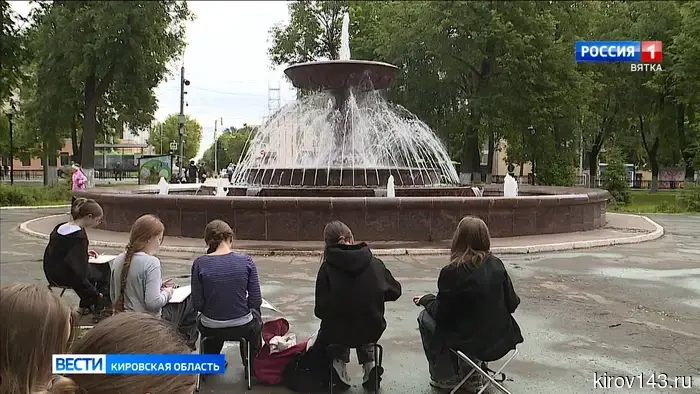 Как кировские школьники проводят летние каникулы.
Учебный год завершен, экзамены почти пройдены, и сейчас самое подходящее время заняться творчеством и малыми открытиями. Как проводят свое лето кировские школьники, поделится Дарья Якименко. Они ценят летний период не за тепло и пляжи, а за возможность рисовать с натуры: с карандашом в руках, увлеченно и сосредоточенно.
Как кировские школьники проводят летние каникулы.
Учебный год завершен, экзамены почти пройдены, и сейчас самое подходящее время заняться творчеством и малыми открытиями. Как проводят свое лето кировские школьники, поделится Дарья Якименко. Они ценят летний период не за тепло и пляжи, а за возможность рисовать с натуры: с карандашом в руках, увлеченно и сосредоточенно.
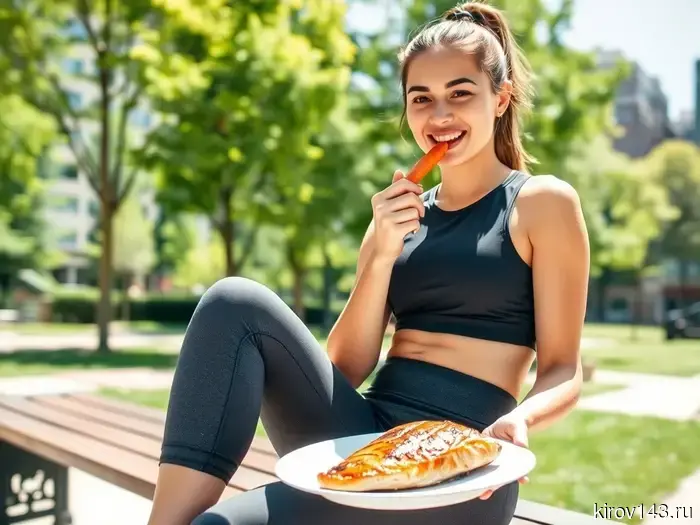 The nutritionist revealed what Russians actually eat and how to correct the main mistakes.
The director of the Institute of Preventive Medicine, chief freelance dietitian, Doctor of Medical Sciences, Professor Olga Sazonova shared data on typical nutritional problems of the residents of Russia. She named the most common mistakes, hidden traps of "healthy eating," and provided specific advice for improving the diet.
The nutritionist revealed what Russians actually eat and how to correct the main mistakes.
The director of the Institute of Preventive Medicine, chief freelance dietitian, Doctor of Medical Sciences, Professor Olga Sazonova shared data on typical nutritional problems of the residents of Russia. She named the most common mistakes, hidden traps of "healthy eating," and provided specific advice for improving the diet.
 The Russian North breaks the price record: how much is being asked for a tour in Karelia?
It has become known how much it will cost Russian tourists to get acquainted with the Russian North. Prices for trips to Karelia are steep, and for clarity, they can be compared with popular foreign destinations.
The Russian North breaks the price record: how much is being asked for a tour in Karelia?
It has become known how much it will cost Russian tourists to get acquainted with the Russian North. Prices for trips to Karelia are steep, and for clarity, they can be compared with popular foreign destinations.
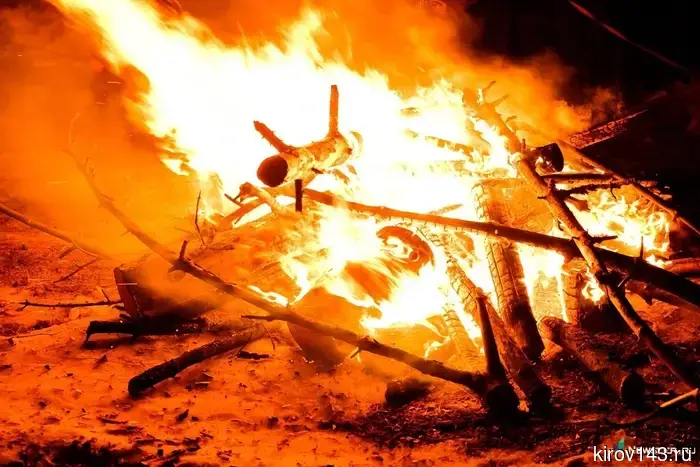 In the Kirov region, a bathhouse and a private house burned down in a day.
Fire and rescue units in the region extinguished four man-made fires over the past day. This information is provided by the Main Directorate of the Ministry of Emergency Situations of Russia for the Kirov Region.
In the Kirov region, a bathhouse and a private house burned down in a day.
Fire and rescue units in the region extinguished four man-made fires over the past day. This information is provided by the Main Directorate of the Ministry of Emergency Situations of Russia for the Kirov Region.
Fraudsters have a new digital weapon.
Digital twins are becoming a new weapon of mass destruction. This issue was discussed at the St. Petersburg International Economic Forum during a session of a major bank titled "Digital Impostor."