
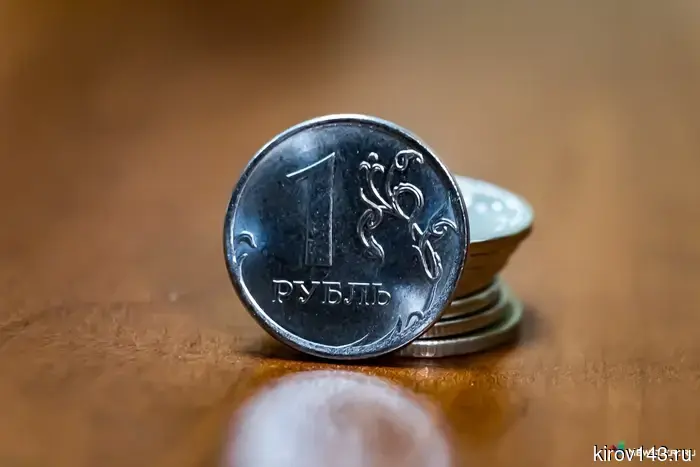
What the digital ruble threatens: opinions
As is known, from September 1, 2026, mass implementation of the digital ruble will begin in Russia. At the same time, many people do not know what to expect from this new currency. Among other things, Russians fear that various payments will be transferred to the digital ruble and that money will be used strictly for its intended purpose. We turned to analysts with the question of whether this could happen and what risks they see in general. It turned out that there are quite a few, and this concerns not only citizens but also the banking system.
Natalia Milchakova, leading analyst at Freedom Finance Global:
"There will be quite a few risks, at least because the state digital currency, which is the digital ruble, is a fundamentally new phenomenon for the Russian economy, and it has threats and limitations, just like any new business project. For example, a risk could be insufficient protection of the digital ruble owner's data, which would make the owner of the digital wallet vulnerable to cybercriminals and hackers.
There may be other risks as well — for example, the inability to obtain loans and open deposits in digital rubles. An insufficient legal framework for regulating future operations with the digital ruble could also create significant risks for digital ruble holders.
The transfer of budget payments to digital rubles may become a reality, but, in our opinion, not earlier than 2027-2028, when the digital ruble will already be launched into mass circulation and available to a significant majority of enterprises engaged in the trade of goods and services. These payments will become strictly targeted very slowly, not earlier, in our opinion, than 2030, when the entire country will fully transition to the use of the digital ruble, and in such a format, about half of payments and settlements will begin to be made.
It is worth recalling that the Mir card in Russia was implemented very gradually, and the full transfer of budget payments to this card became possible about four years after its launch into circulation. Surely, the digital ruble will be implemented in the same way.
Digital ruble holders will have the opportunity in the future to either spend digital rubles on current expenses or exchange them for fiat rubles at a 1:1 ratio using a mobile app and deposit them in a bank or invest. That is, there will not be a situation where the state supposedly transfers all budget workers to digital rubles, but very few will be able to spend these rubles. The project will be implemented gradually in the country."
Alexander Potavin, analyst at FG "Finam":
"The expected launch of the digital ruble in 2026 will bring almost no significant changes to the everyday life of an ordinary person, but for the banking system, the consequences may be ambiguous and significant.
Ordinary citizens will be able to use the digital ruble just like they currently use cashless payments, paying for their purchases through an app. It will just be rubles in a 'digital wallet' along with other banking apps. The downside for consumers here is that there will be no cashback when paying with the digital ruble.
In addition to this, holding large sums in a digital wallet is unprofitable, as no interest will be accrued on such rubles. Essentially, citizens and businesses can most actively use the digital ruble as a means of payment rather than savings. However, the cashless ruble has handled this function quite well. But the advantage here is that in the event of a bank's bankruptcy, citizens' digital rubles will not go anywhere, as they are all stored in a digital wallet at the Central Bank.
The introduction of the digital ruble for citizens creates three main risks: increased state control over the incomes and expenses of its citizens, inconvenience in using the digital ruble as a means of savings, and cybersecurity risks.
The transfer of social payments and budget workers to digital rubles is quite possible in the coming years. This can be easily done through 'programmable' digital rubles that can only be spent on specific types of goods or services. Unused funds for the specified purpose will likely not be able to be withdrawn in cash or converted into cashless form.
For Russian banks, the changes will be radical, as they will cease to be the only 'guardians' of client money for the ruble in digital form. As is known, the digital ruble will be stored on the Central Bank's platform, and banks will simply become an interface for accessing such a digital wallet. This deprives banks of part of their liquidity and income from commissions. Moreover, banks will lose the right to issue loans in digital rubles and to accept deposits. Furthermore, many banks will suffer because their liabilities will decrease as clients transfer part of their money from regular accounts to the Central Bank's digital wallets. To retain clients, banks will have to raise rates on regular deposits, which will make loans more expensive.
For the state, the introduction of the digital ruble means obtaining a tool for 'illuminating' money. Since each digital ruble has its own identity, authorities will be able to easily track the path of each ruble allocated for government contracts or social payments to the final recipient. According to the authorities' plan, this should reduce the opportunities for misuse of funds or corruption. But in fact, society will experience a loss of anonymity in its money, which enhances the totalitarian nature of financial control."
Другие Новости Кирова (НЗК)
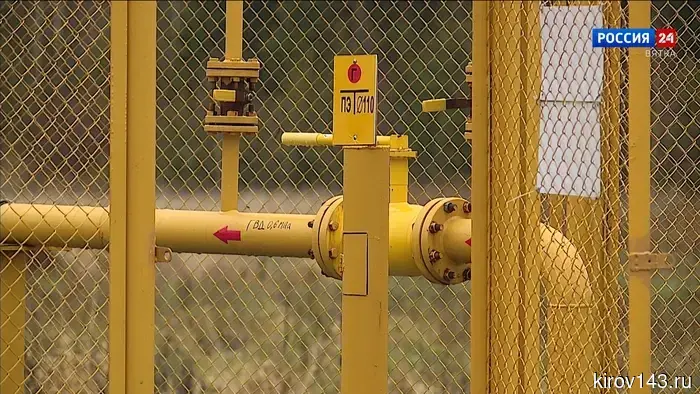 Газовые сети Кировской области начали подготовку к зимнему сезону.
Подготовка газовых сетей к отопительному сезону должна быть завершена до 1 сентября, сообщили в региональном правительстве. Необходимо будет проверить на герметичность 681 км газопроводов. Летом планируется текущий ремонт 438 установок электрохимической защиты, также пройдет техническое обслуживание 62 систем.
Газовые сети Кировской области начали подготовку к зимнему сезону.
Подготовка газовых сетей к отопительному сезону должна быть завершена до 1 сентября, сообщили в региональном правительстве. Необходимо будет проверить на герметичность 681 км газопроводов. Летом планируется текущий ремонт 438 установок электрохимической защиты, также пройдет техническое обслуживание 62 систем.
 Experts explained how much money is needed to live off the interest from a deposit.
Analysts calculated the minimum values at which a person can not work.
Experts explained how much money is needed to live off the interest from a deposit.
Analysts calculated the minimum values at which a person can not work.
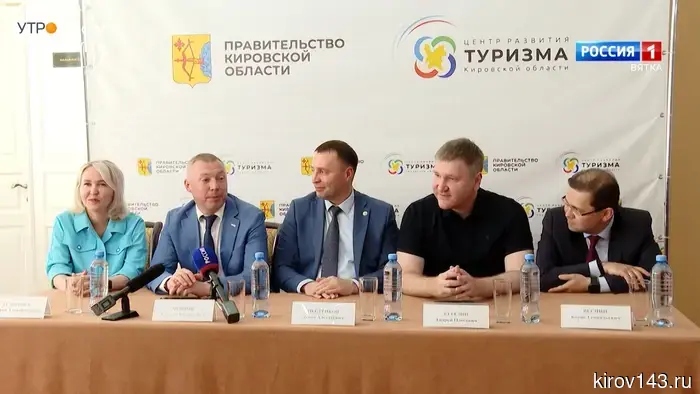 Депутаты Борис Веснин и Андрей Березин поделились информацией о достопримечательностях, которые будут включены в квест-путешествие по Кировской области.
В этом году Кировская область празднует свое 90-летие. Главное событие праздничного года мы расскажем дальше. Квест по районам Кировской области начался 21 мая. Это будет не просто конкурс, а живое событие для путешествий, которое покажет многообразие области во всей ее красоте.
Депутаты Борис Веснин и Андрей Березин поделились информацией о достопримечательностях, которые будут включены в квест-путешествие по Кировской области.
В этом году Кировская область празднует свое 90-летие. Главное событие праздничного года мы расскажем дальше. Квест по районам Кировской области начался 21 мая. Это будет не просто конкурс, а живое событие для путешествий, которое покажет многообразие области во всей ее красоте.
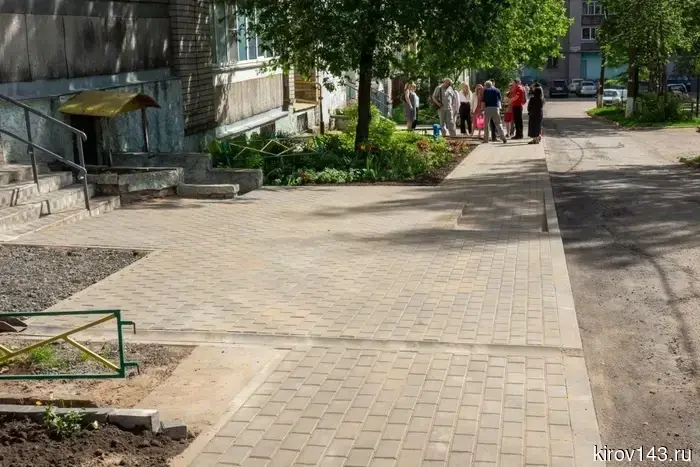 В Кирове стартовал процесс приемки первых благоустроенных дворов в этом сезоне.
В четверг начался прием первых дворов Кирова, которые были отремонтированы в рамках программ поддержки местных инициатив. Экспертная комиссия, состоящая из руководителей и специалистов департамента городского хозяйства и дирекции благоустройства, а также депутатов городской Думы и инициативных граждан, приступила к этой работе.
В Кирове стартовал процесс приемки первых благоустроенных дворов в этом сезоне.
В четверг начался прием первых дворов Кирова, которые были отремонтированы в рамках программ поддержки местных инициатив. Экспертная комиссия, состоящая из руководителей и специалистов департамента городского хозяйства и дирекции благоустройства, а также депутатов городской Думы и инициативных граждан, приступила к этой работе.
 Boris Vesnin: The Gathering of Generations - a platform for preserving historical memory
The city gathering of generations "Aiming for Victory" took place at the Palace of Culture "Kosmos." The event was attended by the head of social projects for State Duma deputy Rahim Azimov and the deputy of the Legislative Assembly of the Kirov region Boris Vesnin.
Boris Vesnin: The Gathering of Generations - a platform for preserving historical memory
The city gathering of generations "Aiming for Victory" took place at the Palace of Culture "Kosmos." The event was attended by the head of social projects for State Duma deputy Rahim Azimov and the deputy of the Legislative Assembly of the Kirov region Boris Vesnin.
 Did they "take Vladimir Klimentovsky by advertisement"?
The employment of former Minister of Energy and Housing and Utilities of the Kirov Region Vladimir Klimentovsky as acting first deputy of the Ministry of Housing and Utilities of the Transbaikal Region has only reduced the demand for vacant managerial positions in the Far Eastern Federal District by one position.
Did they "take Vladimir Klimentovsky by advertisement"?
The employment of former Minister of Energy and Housing and Utilities of the Kirov Region Vladimir Klimentovsky as acting first deputy of the Ministry of Housing and Utilities of the Transbaikal Region has only reduced the demand for vacant managerial positions in the Far Eastern Federal District by one position.
What the digital ruble threatens: opinions
Analysts believe that the widespread implementation of the digital ruble is fraught with a number of serious risks.