

Are the data on ticks being concealed by Rospotrebnadzor?
The first information request was sent to the agency on May 5, 2026. The editorial office asked to provide the total number of people affected by tick bites, the number of laboratory-confirmed cases of tick-borne encephalitis and borreliosis, as well as to compare the figures with the same period last year.
The response came the next day, on May 6. The Deputy Head of the Department, L.A. Basarygina, reported that the incidence rate "does not exceed the long-term average" and is "2.5 times lower" than last year's. According to the agency, information on laboratory-confirmed cases of tick-borne viral encephalitis "has not been received at this time." No specific figures were provided.
On May 7, the editorial office sent a follow-up request, reiterating the questions and pointing out that the first response "did not provide answers to the questions posed." It also included a reference to Article 5.39 of the Administrative Offenses Code of the Russian Federation, which provides for liability for failure to provide information upon request from the media. The second request went unanswered.
It should be noted that before the "tick season" of 2026, the Kirov Region's Rospotrebnadzor regularly published detailed statistics on ticks.
In 2025, several similar materials were published on the agency's website. For instance, on May 1, it was reported that since the beginning of the epidemic season, 1,765 people had sought medical assistance. The report for May 7, 2025, mentioned 1,255 requests (from April 28, 2025, to May 4, 2025) and one laboratory-confirmed case of tick-borne borreliosis. On May 22, 3,567 bites were registered, four cases of borreliosis, and detailed data on tick infection rates were provided: borreliosis — 51.46%, encephalitis — 0.7%. In total, at least six such reports with specific weekly figures were released in 2025.
In 2023, on March 30, the department reported the first tick bite of the season, registered in the Malmyzhsky district. Specific locations where help could be sought were also mentioned.
Since the beginning of 2026, no reports with statistics on tick bites have been published on the Kirov Region's Rospotrebnadzor website.
The only material on this topic is dated April 16, 2026. It states that "favorable climatic conditions contribute to the activation of insects," but no figures on the number of requests or cases of illness are provided. The agency also announced the establishment of a "hotline" for the prevention of tick-borne encephalitis.
At the same time, the situation in the region remains tense. The entire territory of the Kirov region was endemic for tick-borne infections based on the results of 2025. As early as March 2026, specialists predicted a highly active season due to the warm winter.
It should be noted that without open data, residents of the region cannot objectively assess the epidemiological situation and the risk of tick bites. The agency, which is obliged to carry out federal state sanitary and epidemiological supervision, for unclear reasons, is likely concealing "tick statistics," although reports from Kirov residents on social media, as well as information from acquaintances of the editorial staff, indicate several instances of tick bites in the current season.
Другие Новости Кирова (НЗК)
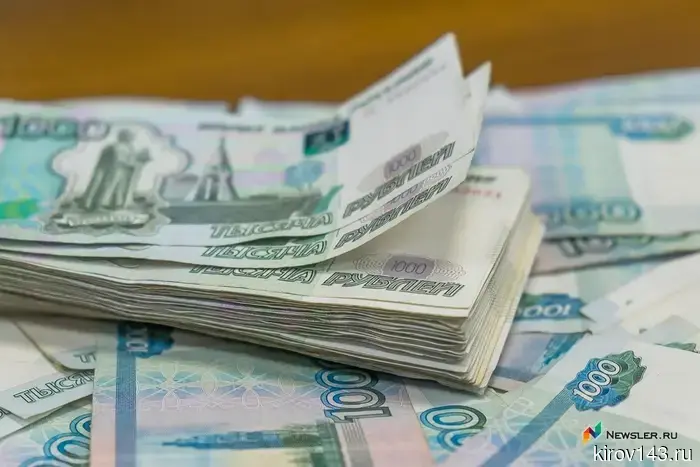 The dead have no shame: 50 thousand rubles compensation for "not treating"
On May 13, the Prvomaisky District Court of Kirov determined the amount of compensation for moral damage caused "due to inadequate provision of medical services" to Igor Susloparov, whose 42-year-old brother, Konstantin Perminov, passed away back in April 2025.
The dead have no shame: 50 thousand rubles compensation for "not treating"
On May 13, the Prvomaisky District Court of Kirov determined the amount of compensation for moral damage caused "due to inadequate provision of medical services" to Igor Susloparov, whose 42-year-old brother, Konstantin Perminov, passed away back in April 2025.
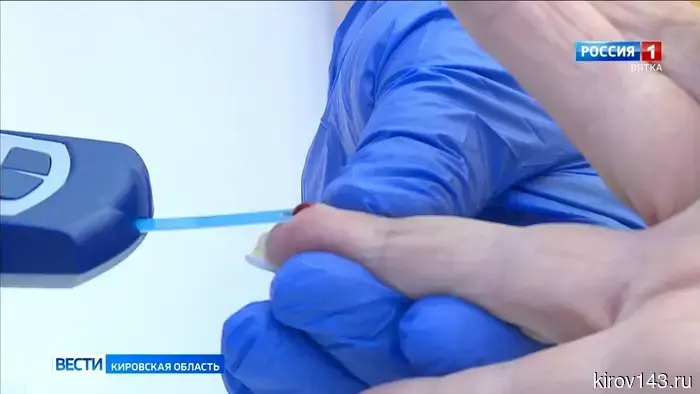 Кировская область подготовила законопроект, который направлен на обеспечение пациентов с диабетом по всей территории страны системами мониторинга уровня глюкозы.
Депутаты Законодательного Собрания Кировской области поддержали проект федерального закона, целью которого является обеспечение всех пациентов с сахарным диабетом 1 типа в России системами непрерывного контроля уровня глюкозы. Данный документ был разработан по инициативе губернатора Александра Соколова. Указано, что
Кировская область подготовила законопроект, который направлен на обеспечение пациентов с диабетом по всей территории страны системами мониторинга уровня глюкозы.
Депутаты Законодательного Собрания Кировской области поддержали проект федерального закона, целью которого является обеспечение всех пациентов с сахарным диабетом 1 типа в России системами непрерывного контроля уровня глюкозы. Данный документ был разработан по инициативе губернатора Александра Соколова. Указано, что
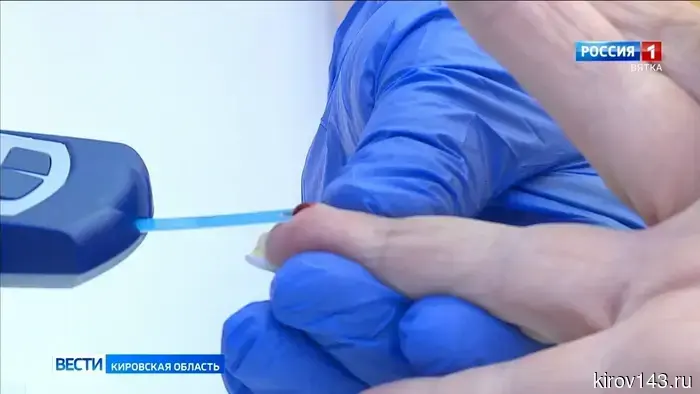 Кировская область подготовила законопроект, направленный на обеспечение пациентов с диабетом по всей территории страны системами мониторинга уровня глюкозы.
Депутаты Законодательного Собрания Кировской области поддержали проект федерального закона, целью которого является обеспечение всех пациентов с диабетом 1 типа в России системами непрерывного мониторинга глюкозы. Этот документ был разработан по инициативе губернатора Александра Соколова. Указано, что
Кировская область подготовила законопроект, направленный на обеспечение пациентов с диабетом по всей территории страны системами мониторинга уровня глюкозы.
Депутаты Законодательного Собрания Кировской области поддержали проект федерального закона, целью которого является обеспечение всех пациентов с диабетом 1 типа в России системами непрерывного мониторинга глюкозы. Этот документ был разработан по инициативе губернатора Александра Соколова. Указано, что
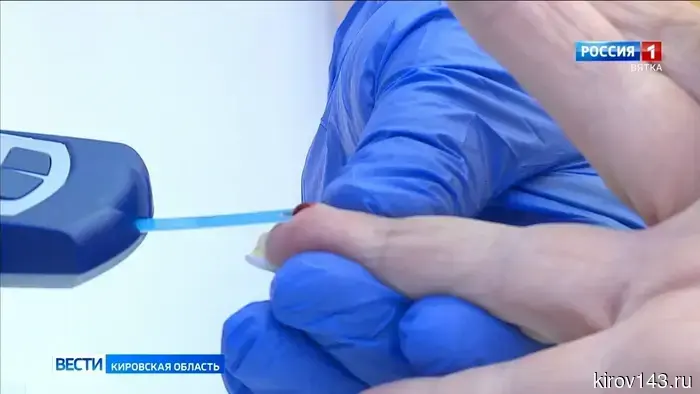 Кировская область подготовила законопроект, который нацелен на обеспечение пациентов с диабетом по всей стране системами мониторинга уровня глюкозы.
Депутаты Законодательного Собрания Кировской области поддержали проект федерального закона, направленного на обеспечение всех пациентов с диабетом 1 типа в России системами непрерывного мониторинга глюкозы. Этот документ был разработан по инициативе губернатора Александра Соколова. Указано, что
Кировская область подготовила законопроект, который нацелен на обеспечение пациентов с диабетом по всей стране системами мониторинга уровня глюкозы.
Депутаты Законодательного Собрания Кировской области поддержали проект федерального закона, направленного на обеспечение всех пациентов с диабетом 1 типа в России системами непрерывного мониторинга глюкозы. Этот документ был разработан по инициативе губернатора Александра Соколова. Указано, что
 Are they hiding data on ticks at Rospotrebnadzor?
The editorial team of Newsler.ru sent two official requests to the Kirov region's Rospotrebnadzor office asking for statistics on tick bites and disease incidence in the current season. In response, the agency provided general statements but did not specify any figures. Rospotrebnadzor has not yet responded to the second request.
Are they hiding data on ticks at Rospotrebnadzor?
The editorial team of Newsler.ru sent two official requests to the Kirov region's Rospotrebnadzor office asking for statistics on tick bites and disease incidence in the current season. In response, the agency provided general statements but did not specify any figures. Rospotrebnadzor has not yet responded to the second request.
 Taurus is promised an important day in love, while Pisces is advised to retreat in time.
Astrologers revealed what the last working day of the week will be like for all zodiac signs.
Taurus is promised an important day in love, while Pisces is advised to retreat in time.
Astrologers revealed what the last working day of the week will be like for all zodiac signs.
Are the data on ticks being concealed by Rospotrebnadzor?
The editorial team of Newsler.ru sent two official requests to the Kirov region's Rospotrebnadzor office asking for statistics on tick bites and illnesses in the current season. In its response, the agency provided general statements but did not specify any figures. Rospotrebnadzor has not yet responded to the second request.