
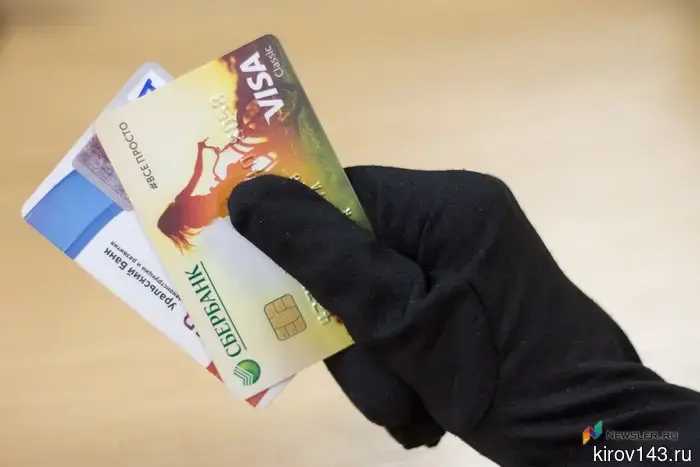
Car from Poland for 1.4 million: a Kirov resident miraculously did not lose his savings
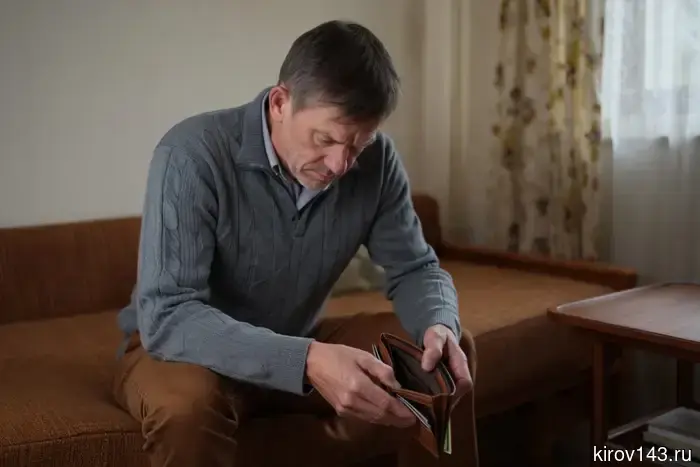
In the Kirov region, a case of attempted remote fraud was recorded during the purchase of a car from Europe. This time, a 47-year-old resident of the Novovyatsky district nearly fell into an unpleasant situation.
The man became interested in a crossover of a Japanese brand, which the sellers promised to deliver from Poland. The cost of the car was 1 million 440 thousand rubles. He found the advertisement in a thematic channel of one of the messengers.
After contacting the manager, the terms of the deal seemed logical: first, pay only the customs fee — 480 thousand rubles, and the remainder — upon the delivery of the car to Moscow. The Kirov resident signed the contract and transferred the first part of the amount to the bank account of an individual, the details of which were dictated to him by the interlocutor.
However, a few days later, the managers changed their position. Contrary to the signed contract, they began insisting on the urgent payment of the full cost of the car. This raised suspicions for the buyer. The man decided not to take risks and sought help from the police.
The Ministry of Internal Affairs found out that there had already been cases of fraud against citizens in other regions of Russia through this internet resource. Unidentified individuals operated using a similar scheme.
A criminal case has been initiated regarding this fact. The identities of the suspects are currently being established.
Police officers once again remind: do not transfer money to strangers, do not buy goods from dubious sellers online, and always check reviews from other users. Especially if the offer seems too good to be true.
Другие Новости Кирова (НЗК)
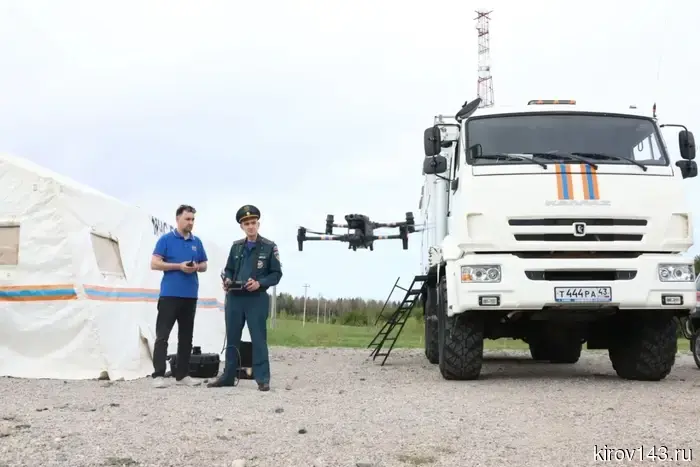 The prosecutor's office revealed details of the region's preparation for the fire hazard season.
On May 15, the prosecutor of the Kirov region, Yuri Ryvaev, traveled to the Slobodskoy district for an interagency meeting. The heads of the Ministry of Emergency Situations, the Ministry of Internal Affairs, the Federal Bailiff Service, the Federal Penitentiary Service, representatives of the government, ministries, and heads of municipalities participated. A special fire safety regime in the region has been in effect since the first days of May 2026.
The prosecutor's office revealed details of the region's preparation for the fire hazard season.
On May 15, the prosecutor of the Kirov region, Yuri Ryvaev, traveled to the Slobodskoy district for an interagency meeting. The heads of the Ministry of Emergency Situations, the Ministry of Internal Affairs, the Federal Bailiff Service, the Federal Penitentiary Service, representatives of the government, ministries, and heads of municipalities participated. A special fire safety regime in the region has been in effect since the first days of May 2026.
 Sagittarians should take a vacation, while Virgos should not envy.
Astrologers revealed what awaits the zodiac signs on Sunday, May 17.
Sagittarians should take a vacation, while Virgos should not envy.
Astrologers revealed what awaits the zodiac signs on Sunday, May 17.
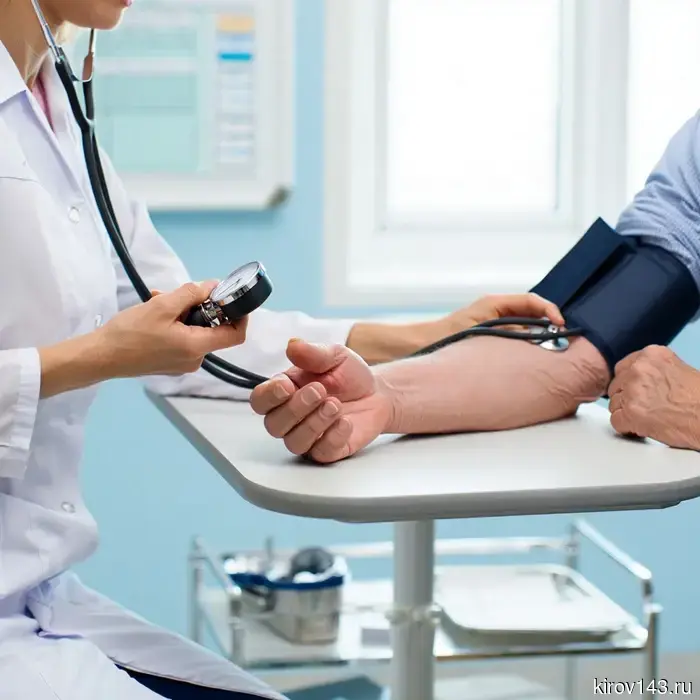 140 over 90 — the limit: Kirov cardiologist dispels myths about blood pressure
Can hypertension be cured with a healthy lifestyle? Is it true that blood pressure should increase with age? And why is it dangerous to skip pills, even when you feel good? As part of the national project "Long and Active Life," candidate of medical sciences Elena Noskova dispelled popular myths about arterial hypertension.
140 over 90 — the limit: Kirov cardiologist dispels myths about blood pressure
Can hypertension be cured with a healthy lifestyle? Is it true that blood pressure should increase with age? And why is it dangerous to skip pills, even when you feel good? As part of the national project "Long and Active Life," candidate of medical sciences Elena Noskova dispelled popular myths about arterial hypertension.
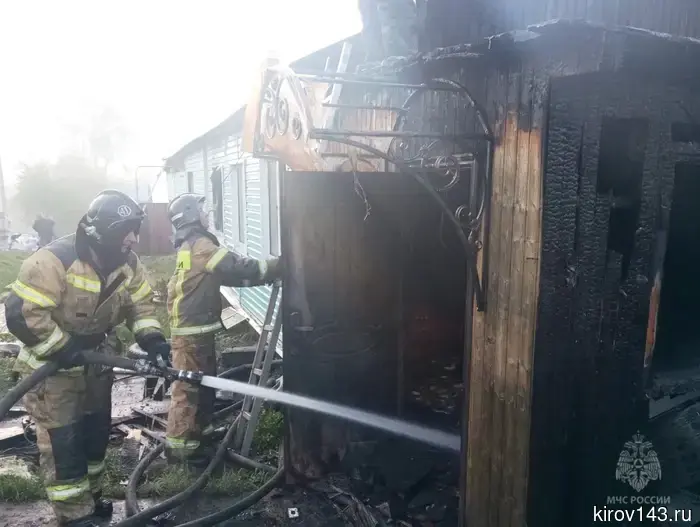 At the Kirov Lyceum, the house in Nolina, and the apartment in Kotel'nich: where fires were extinguished in a day.
From the morning of May 15 to the morning of May 16, fire and rescue units of the Kirov region responded to 8 man-made fires, 5 traffic accidents, and other emergency situations.
At the Kirov Lyceum, the house in Nolina, and the apartment in Kotel'nich: where fires were extinguished in a day.
From the morning of May 15 to the morning of May 16, fire and rescue units of the Kirov region responded to 8 man-made fires, 5 traffic accidents, and other emergency situations.
 "Dynamo" took revenge on "Amkar"
The winning streak of the Kirov team has reached eight matches.
"Dynamo" took revenge on "Amkar"
The winning streak of the Kirov team has reached eight matches.
 Fraudsters connect AI and couriers: Kirov residents handed over 493 million to scammers.
In a week, remote scammers stole another 45 million rubles from residents of the Kirov region, and the number of victims increased by 128 people. Criminals are increasingly using fake documents, personal couriers, and artificial intelligence technologies to impersonate voices. The regional prosecutor's office is changing its tactics — lawsuits are now being filed not only against the fraudsters but also against the account holders where the money goes.
Fraudsters connect AI and couriers: Kirov residents handed over 493 million to scammers.
In a week, remote scammers stole another 45 million rubles from residents of the Kirov region, and the number of victims increased by 128 people. Criminals are increasingly using fake documents, personal couriers, and artificial intelligence technologies to impersonate voices. The regional prosecutor's office is changing its tactics — lawsuits are now being filed not only against the fraudsters but also against the account holders where the money goes.
Car from Poland for 1.4 million: a Kirov resident miraculously did not lose his savings
A 47-year-old resident of the Novovyatsky district found a channel in a messenger offering European cars, chose a Japanese crossover, made a prepayment of 480,000 rubles — but at the last moment he had doubts and contacted the police. It turned out that this internet resource had already "left traces" in other regions of Russia.