
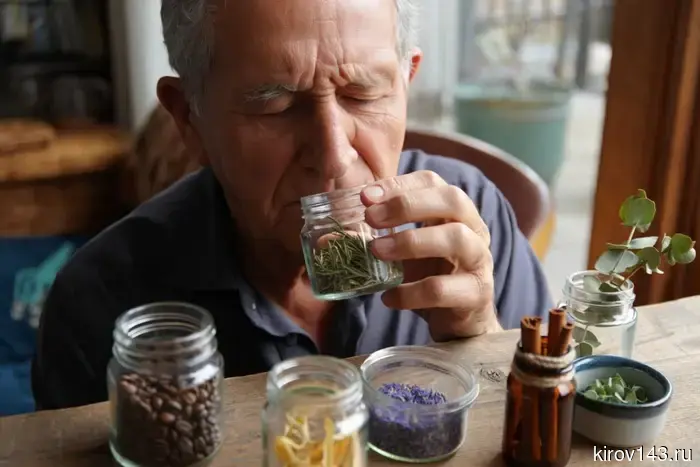
Experts have urged to sniff in order to improve brain function.
The sense of smell is directly linked to brain function and can influence memory, emotions, and cognitive abilities. This was explained by ENT doctor Ksenia Marchenko from INVITRO. According to the specialist, the process of recognizing smells begins in the nasal cavity, where millions of receptors are located. They respond to odor molecules and transmit signals to the brain — first to the olfactory bulb, and then to areas responsible for recognition, emotions, and memory. This is why smells can evoke vivid memories and associations. Moreover, a decrease in the sense of smell can sometimes be one of the early signs of serious diseases, including neurodegenerative ones. Experts note that "training the nose" is beneficial. Such exercises help develop neuroplasticity — the brain's ability to adapt and maintain functions. For example, one can regularly inhale the aromas of different foods, learn to distinguish similar smells, or analyze complex compositions, such as coffee or perfume. Most often, the sense of smell deteriorates due to colds, allergies, or inflammations. In some cases, chronic diseases or anatomical features may be the cause. In cases of prolonged disturbances, specialists advise consulting a doctor. Lifestyle also affects the sense of smell. Physical activity, proper nutrition, and quitting smoking can help maintain sensitivity to odors and support brain function.
Другие Новости Кирова (НЗК)
 There are more passengers on the Gorky Railway.
From January to April 2026, more than 11.7 million passengers departed from the stations and stops of the Gorky Railway. This is 1% more than in the same period last year.
There are more passengers on the Gorky Railway.
From January to April 2026, more than 11.7 million passengers departed from the stations and stops of the Gorky Railway. This is 1% more than in the same period last year.
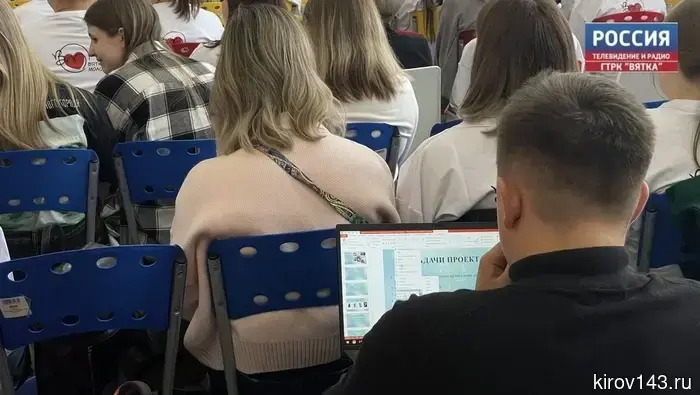 Молодых людей региона приглашают принять участие в проекте «Флагманы образования».
В региональном правительстве сообщили о старте 6 сезона проекта «Флагманы образования» Президентской платформы «Россия – страна возможностей». Участие в нем приглашаются жители Кировской области, включая учащихся от 14 лет, студентов, молодых и опытных педагогов, управленцев и специалистов.
Молодых людей региона приглашают принять участие в проекте «Флагманы образования».
В региональном правительстве сообщили о старте 6 сезона проекта «Флагманы образования» Президентской платформы «Россия – страна возможностей». Участие в нем приглашаются жители Кировской области, включая учащихся от 14 лет, студентов, молодых и опытных педагогов, управленцев и специалистов.
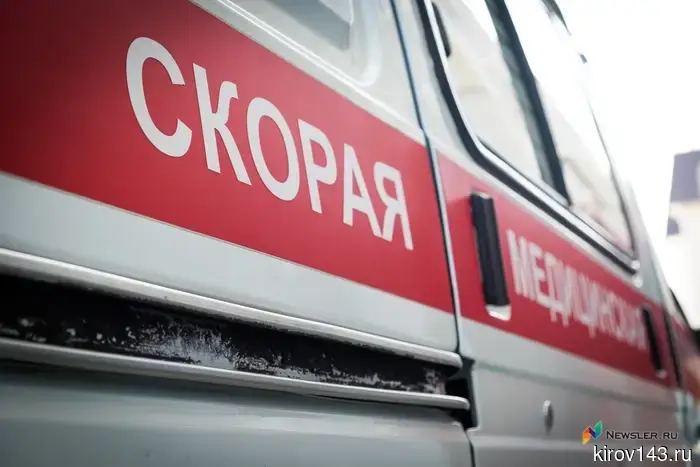 A worker was left without a leg after an incident at the sawmill.
In the Verkhnekamsk district, an entrepreneur will stand trial for the incident that caused a worker to lose a leg at the workplace.
A worker was left without a leg after an incident at the sawmill.
In the Verkhnekamsk district, an entrepreneur will stand trial for the incident that caused a worker to lose a leg at the workplace.
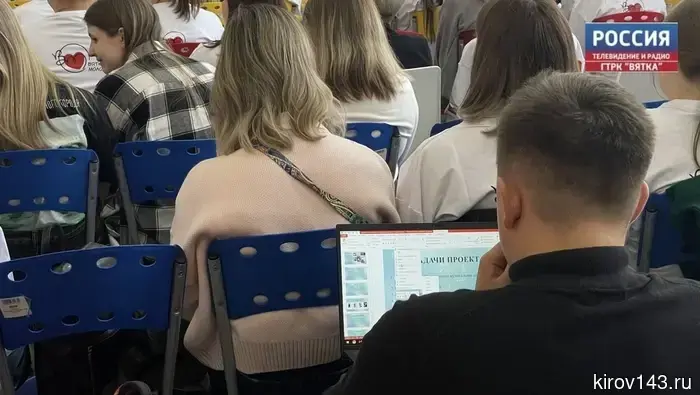 Молодежь из региона приглашена участвовать в проекте «Флагманы образования».
Стартовал 6 сезон проекта «Флагманы образования» на Президентской платформе «Россия – страна возможностей», сообщили в региональном правительстве. Участвовать в нем приглашаются жители Кировской области: учащиеся от 14 лет, студенты, как молодые, так и опытные педагоги, управленцы и специалисты.
Молодежь из региона приглашена участвовать в проекте «Флагманы образования».
Стартовал 6 сезон проекта «Флагманы образования» на Президентской платформе «Россия – страна возможностей», сообщили в региональном правительстве. Участвовать в нем приглашаются жители Кировской области: учащиеся от 14 лет, студенты, как молодые, так и опытные педагоги, управленцы и специалисты.
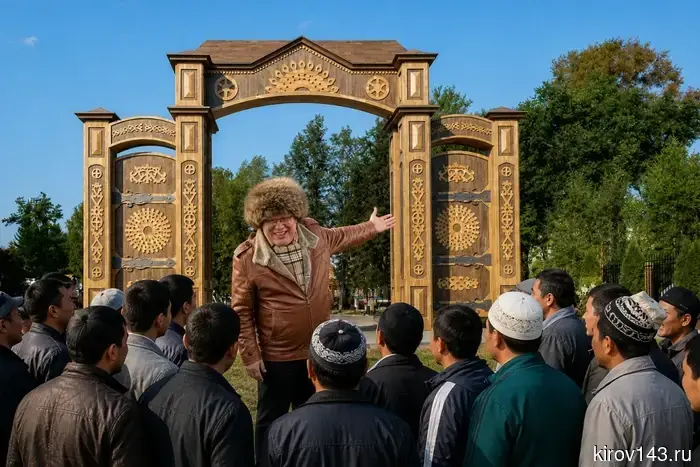 Sokolov plans to bring Uzbeks to the Kirov region.
The regional authorities intend to launch the first international tourist route with Uzbekistan.
Sokolov plans to bring Uzbeks to the Kirov region.
The regional authorities intend to launch the first international tourist route with Uzbekistan.
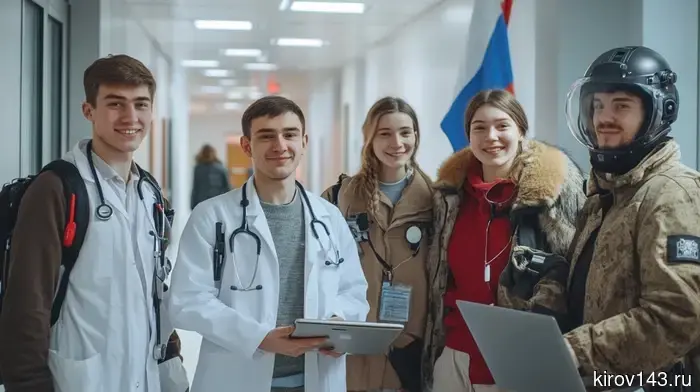 From reindeer herders to IT specialists: alternative service in Russia has grown by a hundred new professions
The Ministry of Labor has significantly revised the list of specialties for those who choose civic duty instead of military service. Now, alternatives are available for more than 360 positions — from classic sanitary workers and postal workers to piano tuners, divers, and even reindeer herders. The geography of service has expanded due to hundreds of new government institutions across the country.
From reindeer herders to IT specialists: alternative service in Russia has grown by a hundred new professions
The Ministry of Labor has significantly revised the list of specialties for those who choose civic duty instead of military service. Now, alternatives are available for more than 360 positions — from classic sanitary workers and postal workers to piano tuners, divers, and even reindeer herders. The geography of service has expanded due to hundreds of new government institutions across the country.
Experts have urged to sniff in order to improve brain function.
Training the sense of smell can positively affect memory and cognitive functions. The doctor explained how scents are connected to brain activity and why it is important to "listen" to them.