
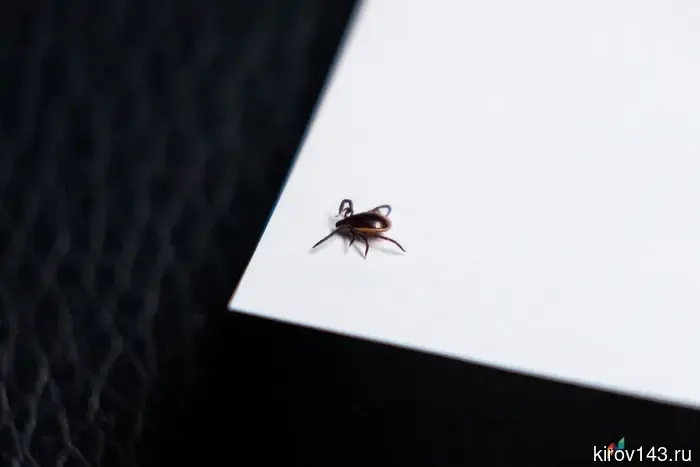
Do not pull or squeeze your abdomen: The Ministry of Emergency Situations reminded what to do after a tick bite.
A walk in the woods or resting on the grass can end with an unpleasant surprise: you discover a tick attached to your body. The press service of the Ministry of Emergency Situations warns — panic and incorrect actions will only worsen the situation.
Rescuers remind of five strict rules after a bite:
Capture as close to the skin as possible. Use tweezers or a strong thread. You need to grasp the tick as close to the mouthpart as possible — this increases the chance of removing it entirely.
No jerking — only rotation. Remove the parasite with careful rotational movements. If you yank or just pull, the head with the mouthpart will remain under the skin, increasing the risk of infection.
Forget about squeezing. Do not press on the tick's abdomen. This causes its stomach contents, along with possible pathogens of encephalitis or borreliosis, to enter the wound directly.
Wash your hands, treat the wound. After removal, thoroughly wash your hands with soap. Treat the bite area with any antiseptic: alcohol, chlorhexidine, iodine, or brilliant green.
Do not throw it away — send it to the lab. Rescuers emphasize: a live (or even dead) tick should be placed in a glass jar with a tight lid. Ideally, place a slightly damp cotton ball inside to prevent the parasite from drying out. With this container — urgently to the nearest laboratory, where they will check if the tick was a carrier of dangerous infections.
The Ministry of Emergency Situations adds that the best protection is prevention: closed clothing, repellents, and mandatory self-examination after returning home. But if a bite has already occurred, you must act strictly according to the protocol. The main rule: do not pull out or squeeze the abdomen.
Другие Новости Кирова (НЗК)
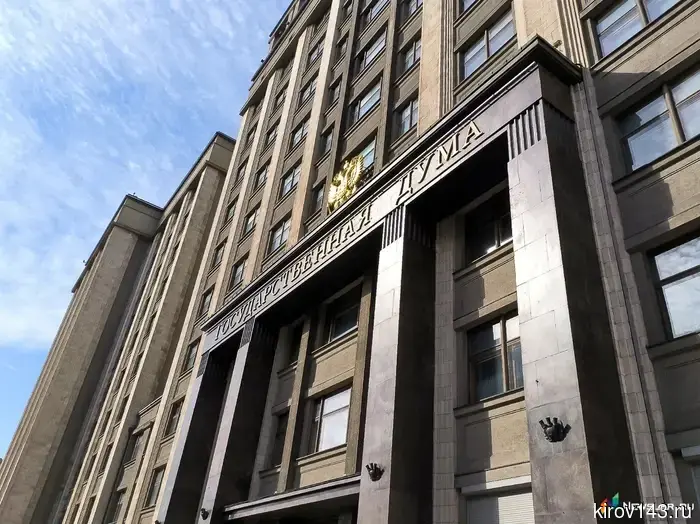 Cartoons and Nomads: What Laws Come into Effect in May
In May 2026, Russians will face an unusual combination of legislative novelties: from full state funding for children's animation to clarifying the status of indigenous nomads. This article covers everything you need to know about the key changes this month.
Cartoons and Nomads: What Laws Come into Effect in May
In May 2026, Russians will face an unusual combination of legislative novelties: from full state funding for children's animation to clarifying the status of indigenous nomads. This article covers everything you need to know about the key changes this month.
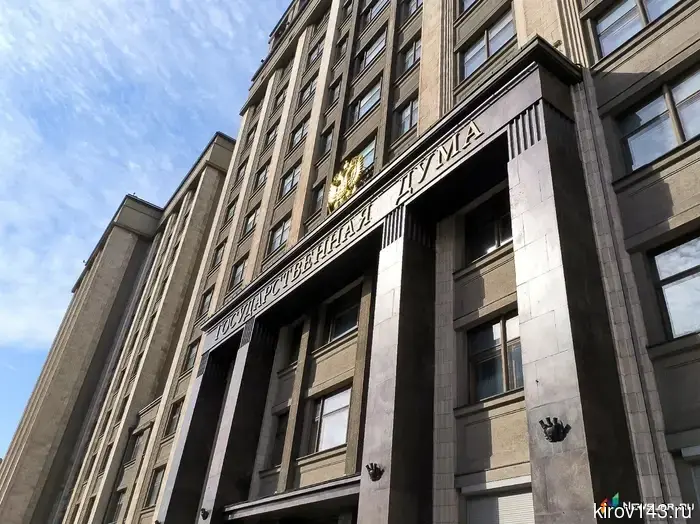 Cartoons and nomads: what laws come into effect in May
In May 2026, Russians will face an unusual combination of legislative novelties: from full state funding for children's animation to clarifying the status of indigenous nomads. This material covers everything you need to know about the key changes this month.
Cartoons and nomads: what laws come into effect in May
In May 2026, Russians will face an unusual combination of legislative novelties: from full state funding for children's animation to clarifying the status of indigenous nomads. This material covers everything you need to know about the key changes this month.
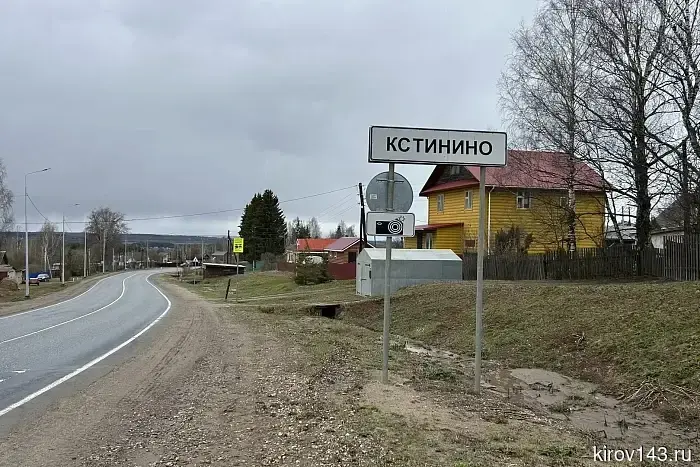 В Кстинино, Санчурске и Городище будут построены тротуары.
Министерство транспорта Кировской области продолжает усилия по повышению качества жизни в муниципалитетах. Следующим этапом этой программы станет модернизация улично-дорожной сети в трех населенных пунктах: в селе Кстинино Кирово-Чепецкого района, а также в городе Санчурск и селе Городище Санчурского района.
В Кстинино, Санчурске и Городище будут построены тротуары.
Министерство транспорта Кировской области продолжает усилия по повышению качества жизни в муниципалитетах. Следующим этапом этой программы станет модернизация улично-дорожной сети в трех населенных пунктах: в селе Кстинино Кирово-Чепецкого района, а также в городе Санчурск и селе Городище Санчурского района.
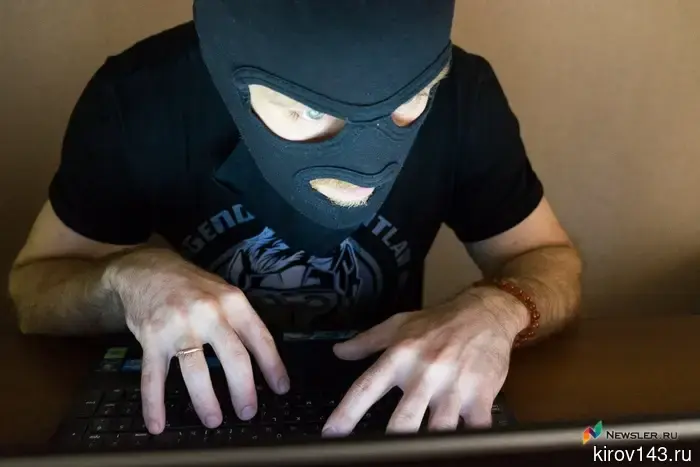 Believed in a survey for 6 thousand: a Kirov resident transferred 45 thousand to scammers.
A resident of the regional center wanted to make easy money by filling out a questionnaire online, but ended up losing nearly fifty thousand. The criminals created an exact copy of a well-known bank's page and extracted the woman's card details. A criminal case has been initiated regarding the incident.
Believed in a survey for 6 thousand: a Kirov resident transferred 45 thousand to scammers.
A resident of the regional center wanted to make easy money by filling out a questionnaire online, but ended up losing nearly fifty thousand. The criminals created an exact copy of a well-known bank's page and extracted the woman's card details. A criminal case has been initiated regarding the incident.
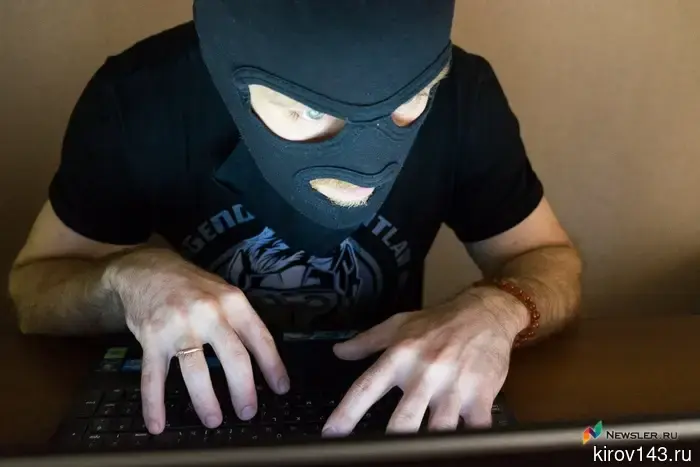 Believed in a survey for 6 thousand: a resident of Kirov transferred 45 thousand to scammers.
A resident of the regional center wanted to earn easy money by filling out a questionnaire online, but ended up losing nearly fifty thousand. The criminals created an exact copy of a well-known bank's page and extracted the woman's card details. A criminal case has been initiated regarding the incident.
Believed in a survey for 6 thousand: a resident of Kirov transferred 45 thousand to scammers.
A resident of the regional center wanted to earn easy money by filling out a questionnaire online, but ended up losing nearly fifty thousand. The criminals created an exact copy of a well-known bank's page and extracted the woman's card details. A criminal case has been initiated regarding the incident.
 43% жителей Кирова игнорируют вакансии с незаявленной зарплатой.
43% жителей Кирова игнорируют вакансии с незаявленной зарплатой.
43% жителей Кирова игнорируют вакансии с незаявленной зарплатой.
Do not pull or squeeze your abdomen: The Ministry of Emergency Situations reminded what to do after a tick bite.
In the midst of the quiet hunting and picnic season, rescuers are noting an increase in calls from those bitten by ticks. The main mistakes are sudden jerks and attempts to crush the parasite with fingers. The Ministry of Emergency Situations publishes a step-by-step guide that can help prevent infection.