
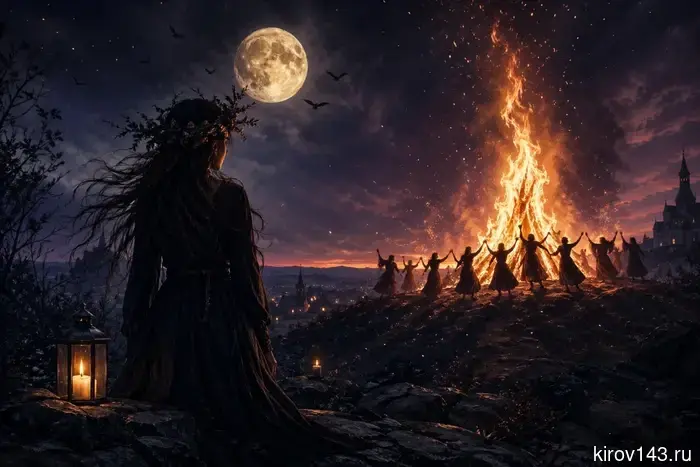
Walpurgis Night: why bonfires were lit and what witches have to do with it
Her story goes back to two layers — Christian and pagan. On one hand, it is the day of remembrance for Saint Walpurga, an 8th-century missionary. On the other hand, there are much older rituals associated with the transition from winter to summer, purification by fire, and fear of the "unclean force," which was believed to be particularly active on this night.
Hence the main symbol of the holiday — bonfires. They were lit on high ground to protect villages and "burn away" all the bad accumulated over the winter. In a later tradition, the legend of witches gathering on Brocken Mountain — a symbol of this holiday in German culture — also emerged.
Today, Walpurgis Night has lost its mystical fear but retained the atmosphere of transition. It is a rare calendar moment when the very idea of renewal is felt almost physically: winter finally retreats, and spring ceases to be a promise and becomes a reality.
In this sense, the old rituals easily translate into modern language. Fire is not only a bonfire but also any form of internal "reboot": from the simple evening light of a candle to a conscious letting go of what no longer works.
Interestingly, in some places, this date coincides with important religious events. For example, today the relics of Saint Nicholas the Wonderworker were brought to the Holy Assumption Church — and this parallel symbolic thread only enhances the feeling of a threshold: between the past and the future, fear and hope, darkness and light.
Perhaps this is why Walpurgis Night has survived the centuries. Not as a "witches' sabbath," but as a reminder: any transition requires fire — external or internal.
Другие Новости Кирова (НЗК)
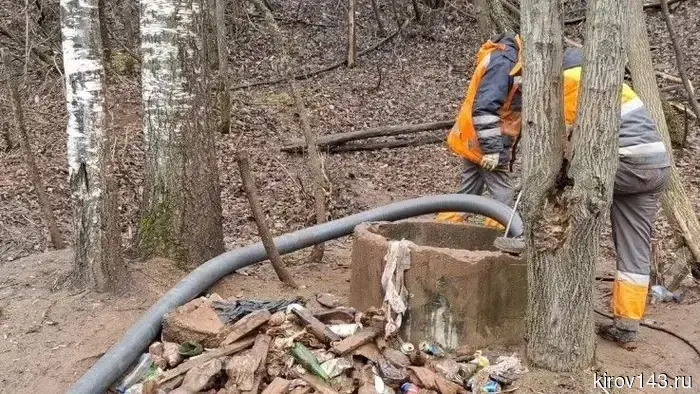 В Кирове на улице Заводской ведется ликвидация утечки из промышленных люков.
Обитатели микрорайона на улице Заводской выражают недовольство по поводу вытекания воды из колодцев промышленных предприятий рядом с жилой зоной на тротуар и дорогу возле остановки «Химический переулок». Это создает дискомфорт для граждан, ожидающих общественный транспорт. В администрации Кирова сообщили, что
В Кирове на улице Заводской ведется ликвидация утечки из промышленных люков.
Обитатели микрорайона на улице Заводской выражают недовольство по поводу вытекания воды из колодцев промышленных предприятий рядом с жилой зоной на тротуар и дорогу возле остановки «Химический переулок». Это создает дискомфорт для граждан, ожидающих общественный транспорт. В администрации Кирова сообщили, что
 В 2026 году в Кировской области планируется ремонт свыше 50 социальных учреждений.
В этом году в регионе планируется обновить свыше 50 социальных объектов, продолжая мероприятия по обеспечению современных и удобных условий для жителей социальных учреждений области. На эти цели выделено более 90 миллионов рублей. К примеру, в Малмыжском доме-интернате уже приступили к работе.
Как мы будем отдыхать в 2027 году: Минтруд представил производственный календарь.
Минтруд представил проект календаря праздников на 2027 год. Таким образом, в следующем году новогодние праздники продлятся 11 дней. Кроме того, россияне будут отдыхать пять раз по три дня в феврале, марте и июне, а также дважды в мае. В ноябре предусмотрены выходные на четыре дня. С учетом переносов дни отдыха...
В 2026 году в Кировской области планируется ремонт свыше 50 социальных учреждений.
В этом году в регионе планируется обновить свыше 50 социальных объектов, продолжая мероприятия по обеспечению современных и удобных условий для жителей социальных учреждений области. На эти цели выделено более 90 миллионов рублей. К примеру, в Малмыжском доме-интернате уже приступили к работе.
Как мы будем отдыхать в 2027 году: Минтруд представил производственный календарь.
Минтруд представил проект календаря праздников на 2027 год. Таким образом, в следующем году новогодние праздники продлятся 11 дней. Кроме того, россияне будут отдыхать пять раз по три дня в феврале, марте и июне, а также дважды в мае. В ноябре предусмотрены выходные на четыре дня. С учетом переносов дни отдыха...
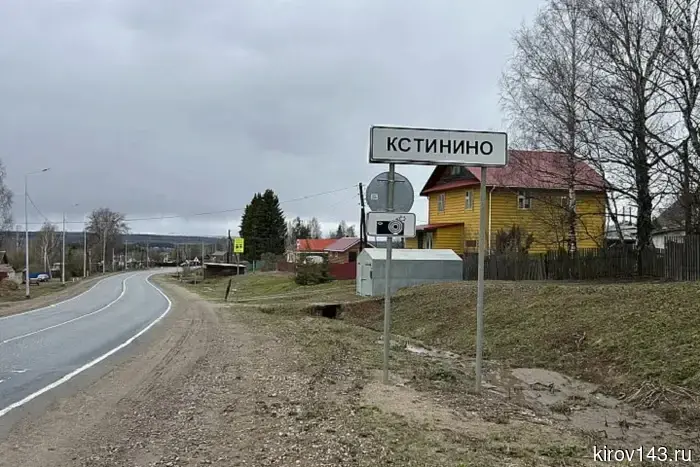 Sidewalks will be built in three settlements of the region.
The Ministry of Transport of the Kirov Region reported that the street and road network will be updated in several settlements.
Sidewalks will be built in three settlements of the region.
The Ministry of Transport of the Kirov Region reported that the street and road network will be updated in several settlements.
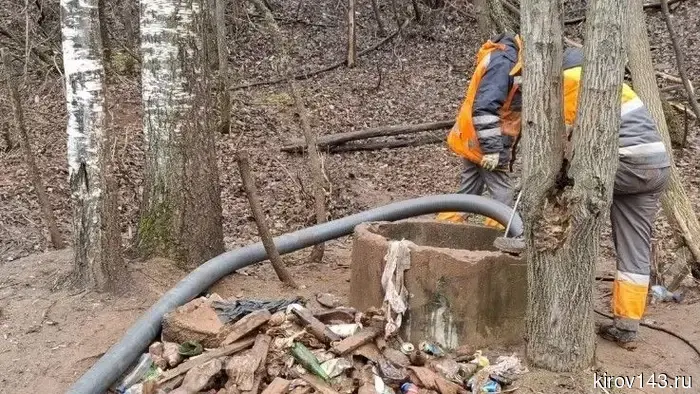 В Кирове на Заводской улице устраняют утечку из промышленных люков.
Жители района на улице Заводской выражают недовольство из-за вытекания воды из колодцев промышленных предприятий в жилой зоне на тротуар и проезжую часть у остановки «Химический переулок». Это создает проблемы для людей, ожидающих общественный транспорт. В администрации Кирова заявили, что
В Кирове на Заводской улице устраняют утечку из промышленных люков.
Жители района на улице Заводской выражают недовольство из-за вытекания воды из колодцев промышленных предприятий в жилой зоне на тротуар и проезжую часть у остановки «Химический переулок». Это создает проблемы для людей, ожидающих общественный транспорт. В администрации Кирова заявили, что
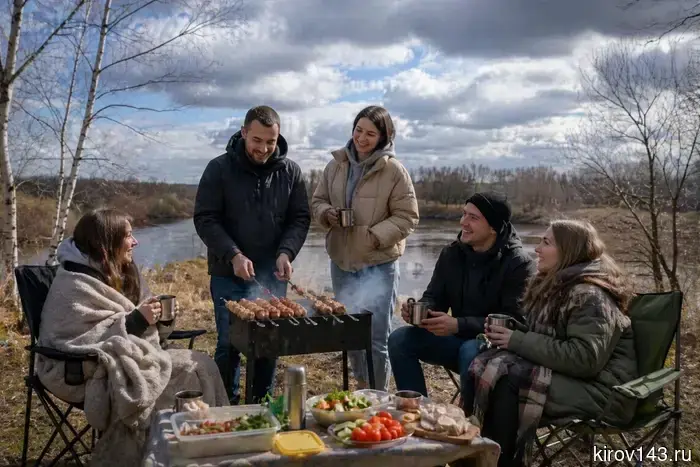 May Holidays 2026: how we relax, which day to have a picnic, and how to protect ourselves from ticks
Spring is in full swing, and many are already planning how to spend the first warm days outdoors. In 2026, the May holidays in Russia are divided into two periods of three days each: from May 1 to May 3 (Spring and Labor Day) and from May 9 to May 11 (Victory Day). Between these weekends is a short work week from May 4 to May 8.
May Holidays 2026: how we relax, which day to have a picnic, and how to protect ourselves from ticks
Spring is in full swing, and many are already planning how to spend the first warm days outdoors. In 2026, the May holidays in Russia are divided into two periods of three days each: from May 1 to May 3 (Spring and Labor Day) and from May 9 to May 11 (Victory Day). Between these weekends is a short work week from May 4 to May 8.
Walpurgis Night: why bonfires were lit and what witches have to do with it
On the night of April 30 to May 1, Europe and northern countries traditionally celebrate Walpurgis Night — one of the most mysterious holidays of the spring calendar.