
Every third provider in Russia may leave the market.
The publication "Kommersant," citing a presentation by the association "Rostelecom," reports that a reform of licensing for telecommunications operators is being prepared in Russia. The Ministry of Digital Development proposes to replace about 20 types of licenses with three levels ("Basic," "Universal," "General") with increased requirements for charter capital and own funds.
The "Basic" license (for cable TV) requires a charter capital or own funds of at least 5 million rubles. The "Universal" license (for home internet) requires 30 million rubles, plus coverage of at least 15% of apartment buildings in settlements with populations from 10,000 to 500,000, and each municipality must have its own communication node. The "General" license (for the entire country) requires 100 million rubles and nodes in two-thirds of the regions.
Individual entrepreneurs will be prohibited from providing telecommunications services. The share of revenue from telecommunications must be no less than half. They will have to connect to the SORM system and pay at least 1 million rubles annually into the universal service reserve.
Small providers will not be able to meet the new conditions: of the 4,220 broadband internet (BBI) operators, only 7.6% will meet the requirements.
At least 33.2% of operators may leave the market, and in the cable TV segment, up to 80%. Industry participants warn of the risk of rising prices for home internet and problems with access in remote settlements where large federal players are absent.
According to the project, the new rules are set to come into effect on September 1, 2026, and from 2028, services can only be provided under the new licenses. The Ministry of Digital Development believes that the changes are aimed at increasing market reliability and disagrees with forecasts of rising tariffs.
Earlier, we reported that experts predict an increase in the cost of home internet for Russians. The reasons cited include inflation and rising costs for operators on equipment, licenses, and communication channels, as well as possible changes in industry regulation. The current licensing reform, according to independent analysts and representatives of small operators' associations, may become an additional factor putting pressure on tariffs. The exit of small players from the market and a reduction in competition, especially in small settlements where large federal operators are not always present, is highly likely to lead to an increase in service costs.
Другие Новости Кирова (НЗК)
 In the Kirov region, a mother of students showed the principal her middle finger and received a fine.
In several regions of Russia, citizens have been fined for showing the middle finger — courts have equated this gesture to an insult under the Administrative Offenses Code of the Russian Federation.
In the Kirov region, a mother of students showed the principal her middle finger and received a fine.
In several regions of Russia, citizens have been fined for showing the middle finger — courts have equated this gesture to an insult under the Administrative Offenses Code of the Russian Federation.
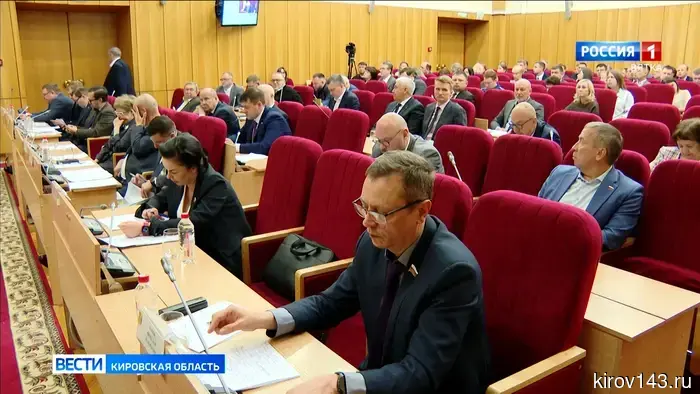 Депутаты Законодательного собрания Кировской области одобрили законопроект о введении квот на рабочие места для участников СВО.
В прошлую пятницу, 24 апреля, на пленарном заседании Законодательного собрания Кировской области депутаты во втором чтении рассмотрели законопроект о квотировании рабочих мест для участников СВО на предприятиях региона. Напоминаем, что это совместное предложение губернатора Александра Соколова и
Депутаты Законодательного собрания Кировской области одобрили законопроект о введении квот на рабочие места для участников СВО.
В прошлую пятницу, 24 апреля, на пленарном заседании Законодательного собрания Кировской области депутаты во втором чтении рассмотрели законопроект о квотировании рабочих мест для участников СВО на предприятиях региона. Напоминаем, что это совместное предложение губернатора Александра Соколова и
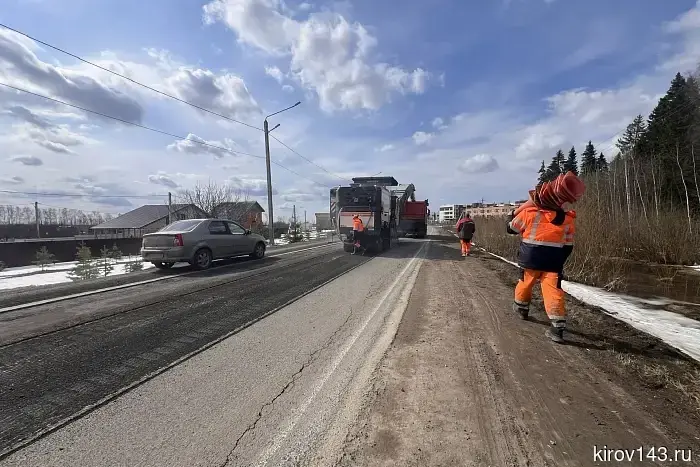 В Кирове стартовали крупномасштабные работы по модернизации дорожной инфраструктуры.
В рамках национального проекта «Инфраструктура для жизни» в Кирове начались крупномасштабные работы по модернизации дорожной сети. Одним из первых объектов, на котором начали ремонтные работы, стала автомобильная дорога Сошени — Радужный. Подрядчики начали с фрезерования старого асфальта. Затем на этом участке
В Кирове стартовали крупномасштабные работы по модернизации дорожной инфраструктуры.
В рамках национального проекта «Инфраструктура для жизни» в Кирове начались крупномасштабные работы по модернизации дорожной сети. Одним из первых объектов, на котором начали ремонтные работы, стала автомобильная дорога Сошени — Радужный. Подрядчики начали с фрезерования старого асфальта. Затем на этом участке
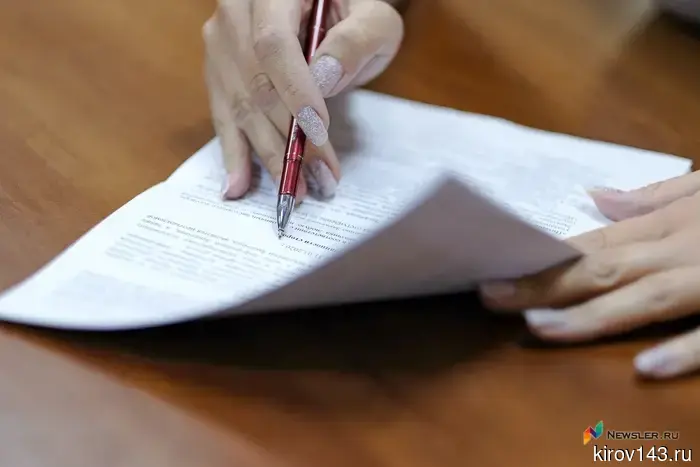 In the Kirov region, a mother of students showed the principal her middle finger and received a fine.
In several regions of Russia, citizens have been fined for showing the middle finger — courts have equated this gesture to an insult under the Administrative Offenses Code of the Russian Federation.
In the Kirov region, a mother of students showed the principal her middle finger and received a fine.
In several regions of Russia, citizens have been fined for showing the middle finger — courts have equated this gesture to an insult under the Administrative Offenses Code of the Russian Federation.
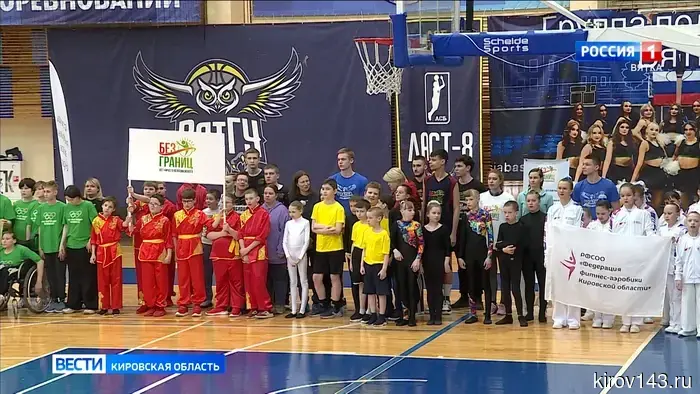 В Кирове состоялся фестиваль спорта для детей с особенностями развития.
От радостных стартов до адаптивного фехтования. В Кирове состоялся фестиваль спорта для детей с особенностями развития. В числе представленных видов спорта было более десяти. Репортаж Дарьи Якименко. Адаптивная фитнес-аэробика, ушу, вольтижировка — это disciplines, требующие выдержки и дисциплины. Сложнейшие
В Кирове состоялся фестиваль спорта для детей с особенностями развития.
От радостных стартов до адаптивного фехтования. В Кирове состоялся фестиваль спорта для детей с особенностями развития. В числе представленных видов спорта было более десяти. Репортаж Дарьи Якименко. Адаптивная фитнес-аэробика, ушу, вольтижировка — это disciplines, требующие выдержки и дисциплины. Сложнейшие
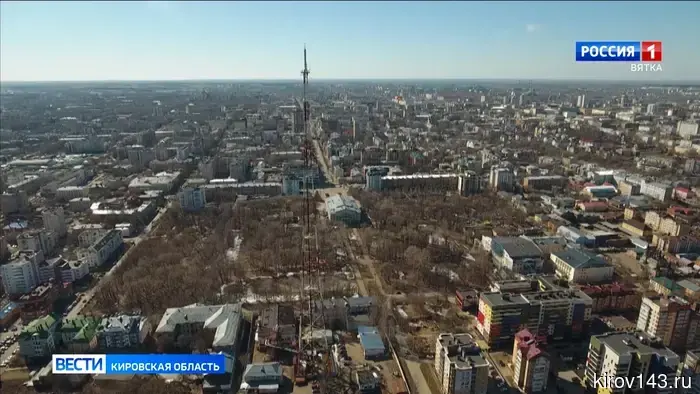 В Кировской области планируется строительство 190 километров электрических магистралей и 45 подстанций.
Министр энергетики и ЖКХ Кировской области Максим Горностаев сообщил на заседании комитета по промышленности и развитию инфраструктуры регионального Законодательного собрания, что предприятия региона в 2025 году инвестировали в модернизацию энергетических систем Кировской области свыше 1,6 миллиарда рублей. Эти средства были привлечены из внебюджетных источников.
В Кировской области планируется строительство 190 километров электрических магистралей и 45 подстанций.
Министр энергетики и ЖКХ Кировской области Максим Горностаев сообщил на заседании комитета по промышленности и развитию инфраструктуры регионального Законодательного собрания, что предприятия региона в 2025 году инвестировали в модернизацию энергетических систем Кировской области свыше 1,6 миллиарда рублей. Эти средства были привлечены из внебюджетных источников.
Every third provider in Russia may leave the market.
The Ministry of Digital Development proposed to reduce the number of types of licenses and tighten the requirements.