

Russians are massively looking for alternatives to Telegram: who benefited from the restrictions
Among the most in-demand products are those from Asian developers. In particular, the Chinese WeChat, South Korean KakaoTalk, and Turkish BiP are gaining popularity. There is also a growing interest in the American service IMO. At the same time, one of the most discussed alternatives has become the domestic fork Telega, which largely replicates the interface and functionality of Telegram.
Against this backdrop, on April 11, founder Pavel Durov announced the release of a Telegram update. According to him, the new version has revamped the network protocol, which should enhance the service's resilience to restrictions. Despite the current situation, the level of user activity in the messenger, according to the developers, remains at the same level, reports the portal karelinform.ru.
As noted by Svetlana Yermolenko, marketing director of the company "IT Innovation," most alternative platforms can meet basic communication needs but do not offer comparable infrastructure. This refers to a developed system of channels, bots, and communities, as well as the established user habits that have formed around Telegram.
The expert points out that when choosing a messenger, it is important to consider not only functionality but also security issues. In particular, the service's jurisdiction, transparency of data processing policies, the presence of end-to-end encryption, and the results of independent audits are significant. Platforms previously mentioned in the context of leaks or lacking clear information protection mechanisms are not recommended for transmitting sensitive or corporate data.
An additional factor in the market has been the announcement by company X, owned by Elon Musk, about plans to launch a new messenger called XChat.
Другие Новости Кирова (НЗК)
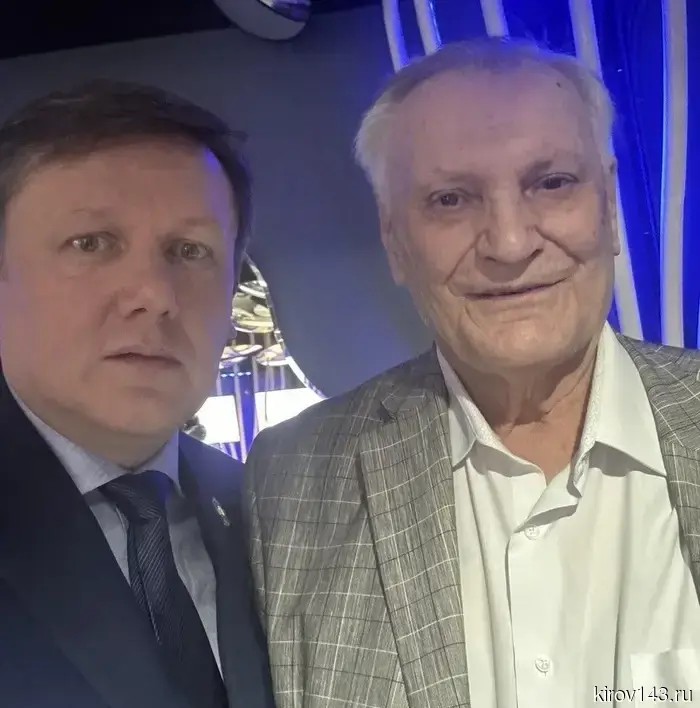 The former dean of the Faculty of Foreign Languages, Vyacheslav Onoshko, has passed away.
At the age of 85, Vyacheslav Nikolaevich Onoshko passed away. He headed the Faculty of Foreign Languages at the Pedagogical University from 1976 to 2007, reported Alexander Churin, the general director of the State Enterprise "Selmash," on his Telegram channel.
The former dean of the Faculty of Foreign Languages, Vyacheslav Onoshko, has passed away.
At the age of 85, Vyacheslav Nikolaevich Onoshko passed away. He headed the Faculty of Foreign Languages at the Pedagogical University from 1976 to 2007, reported Alexander Churin, the general director of the State Enterprise "Selmash," on his Telegram channel.
 В Кировской области начали использовать современные препараты для лечения бронхиальной астмы в соответствии с обязательным медицинским страхованием.
В конце 2025 года кировские врачи-пульмонологи получили в своё распоряжение генетически инженерный препарат с совершенно новым механизмом действия для лечения тяжелой формы бронхиальной астмы, особенно тех её форм, которые не поддаются другим вариантам терапии. Этот препарат блокирует
В Кировской области начали использовать современные препараты для лечения бронхиальной астмы в соответствии с обязательным медицинским страхованием.
В конце 2025 года кировские врачи-пульмонологи получили в своё распоряжение генетически инженерный препарат с совершенно новым механизмом действия для лечения тяжелой формы бронхиальной астмы, особенно тех её форм, которые не поддаются другим вариантам терапии. Этот препарат блокирует
 Business horoscope: Aries will face important assignments, while Scorpios will need to correct mistakes.
Astrologers revealed how the new workday will go for each zodiac sign.
Business horoscope: Aries will face important assignments, while Scorpios will need to correct mistakes.
Astrologers revealed how the new workday will go for each zodiac sign.
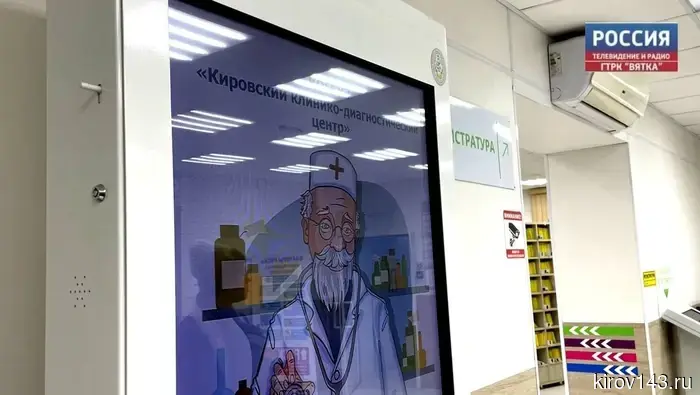 Пожилые пациенты из региона могут посетить кабинет гериатра.
В стационаре Больницы скорой медицинской помощи региона открылся кабинет гериатра. Пациенты старше 65 лет направляются сюда на этапе приема в отделение, сообщили в региональном министерстве здравоохранения. Для каждого пациента проводится всеобъемлющая гериатрическая оценка, по результатам которой составляются
Пожилые пациенты из региона могут посетить кабинет гериатра.
В стационаре Больницы скорой медицинской помощи региона открылся кабинет гериатра. Пациенты старше 65 лет направляются сюда на этапе приема в отделение, сообщили в региональном министерстве здравоохранения. Для каждого пациента проводится всеобъемлющая гериатрическая оценка, по результатам которой составляются
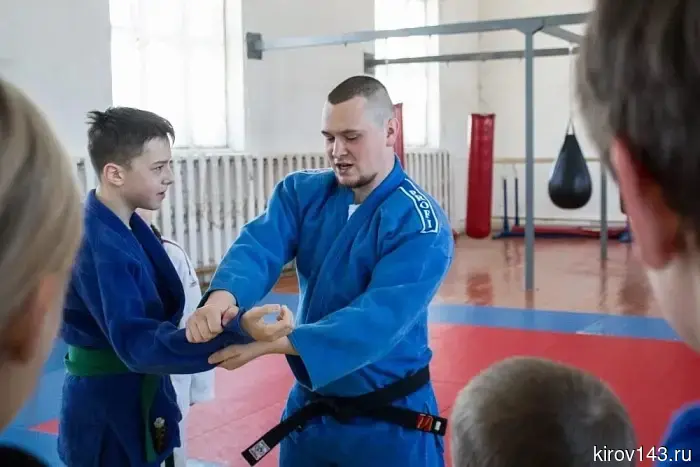 В Уржумском районе Кировской области стартовала работа ещё одного участника программы «Земский тренер».
В Кировской области продолжается осуществление федеральной программы «Земский тренер», направленной на привлечение квалифицированных специалистов в сфере физической культуры и спорта в небольшие города и сельские местности. К реализации программы присоединился еще один участник — Давид Леонидович Масленников. Он стал
В Уржумском районе Кировской области стартовала работа ещё одного участника программы «Земский тренер».
В Кировской области продолжается осуществление федеральной программы «Земский тренер», направленной на привлечение квалифицированных специалистов в сфере физической культуры и спорта в небольшие города и сельские местности. К реализации программы присоединился еще один участник — Давид Леонидович Масленников. Он стал
 На улицах города трудится снегоуборочная техника.
В связи с начавшимся ночью снегопадом в Кирове стартовали работы по очистке и обработке дорожных покрытий, тротуаров, остановок общественного транспорта и подходов к пешеходным переходам противогололедными средствами. Также проводятся очистные работы дождеприемных решеток в местах, где есть вероятность скопления воды, сообщили в
На улицах города трудится снегоуборочная техника.
В связи с начавшимся ночью снегопадом в Кирове стартовали работы по очистке и обработке дорожных покрытий, тротуаров, остановок общественного транспорта и подходов к пешеходным переходам противогололедными средствами. Также проводятся очистные работы дождеприемных решеток в местах, где есть вероятность скопления воды, сообщили в
Russians are massively looking for alternatives to Telegram: who benefited from the restrictions
Access restrictions to the Telegram messenger have triggered a noticeable increase in interest among Russians in alternative digital communication platforms. Users have started to actively explore new services, including foreign ones. As of the end of March, the audience of several such applications has increased by almost 60%.